
EDC Knife Lock Types Explained: Liner Lock, Frame Lock, Axis Lock and More
A folding knife is only as good as its locking mechanism. The lock keeps the blade securely open during use and prevents it from closing on your fingers — a critical safety feature. But lock types vary dramatically in strength, ease of use, and fidget-factor. This guide breaks down every major EDC knife lock type, how they work, and which one might be right for you.
Why Lock Type Matters
The lock mechanism is the heart of a folding knife. It determines how you open and close the blade, how secure the knife feels during hard use, and whether the knife can be operated with one hand or requires two. Some locks are inherently stronger than others, some are easier to operate with gloves, and some are simply more satisfying to fidget with.
Understanding lock types helps you make an informed purchase decision and ensures you get a knife that matches your preferences and use case.
Liner Lock
How It Works
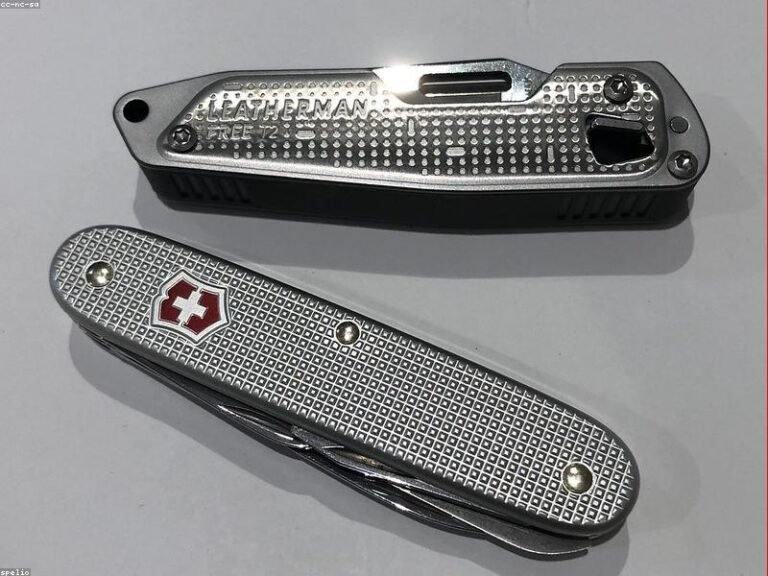
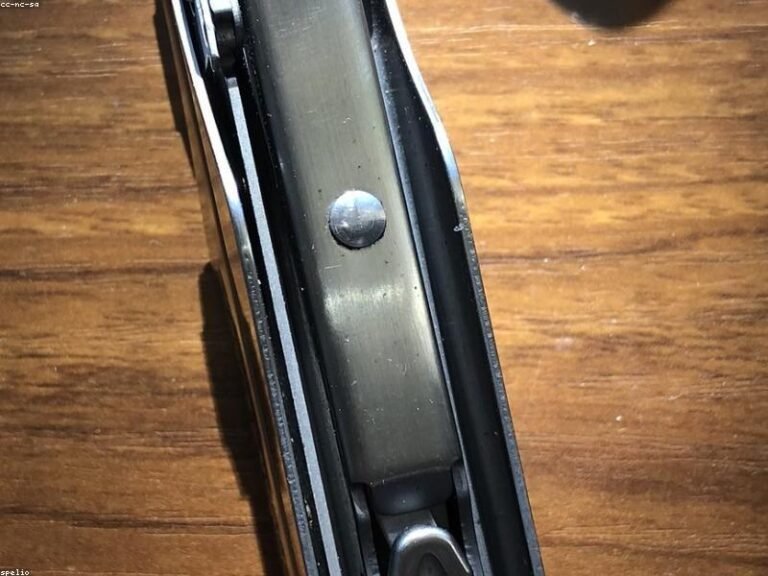
A liner lock uses a portion of the handle liner — a thin metal sheet inside the handle — that is cut and bent inward. When the blade opens, this spring-loaded liner snaps into place behind the blade tang, preventing it from closing. To close the knife, you push the liner to the side with your thumb and fold the blade.
Pros
– Simple, proven design used for decades
– Allows one-handed opening and closing
– Keeps both handle sides free for scale materials like G-10 or micarta
– Generally affordable to manufacture
Cons
– Your thumb is in the blade path when closing
– Lock strength depends on the quality of execution
– Can develop lock stick or travel over time with heavy use
Best For
General EDC use, budget to mid-range knives, users who value simplicity.
Find liner lock knives: Liner Lock EDC Knives
Frame Lock
How It Works
A frame lock is essentially a liner lock where a portion of the handle frame itself — rather than a separate liner — acts as the locking bar. This makes frame locks inherently stronger than liner locks because the locking bar is thicker. Titanium frame locks are popular on premium knives because titanium has a natural tendency to stick slightly to steel, enhancing lock security.
Pros
– Stronger than liner locks due to thicker locking bar
– Simple, elegant design with fewer parts
– Often paired with titanium for a premium feel
– One-handed operation
Cons
– Your thumb is still in the blade path when closing
– More expensive to manufacture
– Can have sharp edges on the lock bar
– Lock stick can be an issue (though a dab of pencil graphite fixes this)
Best For
Premium EDC knives, hard-use folders, users who appreciate minimalist design.
Shop frame lock knives: Frame Lock Knives
Axis Lock and Crossbar Locks
How It Works
The AXIS lock, patented by Benchmade, uses a spring-loaded bar that slides back and forth in a slot milled into both handle liners. When the blade opens, the bar slides forward under spring tension and wedges between the blade tang and a stop pin. To close, you pull the bar back with your thumb and finger simultaneously.
After Benchmade patent expired, numerous manufacturers introduced their own versions under names like Crossbar Lock, Able Lock, and Clutch Lock. The mechanism is now widely available across all price points.
Pros
– Extremely strong — the bar wedges tighter under load
– Fully ambidextrous operation
– Keeps fingers completely clear of the blade path when closing
– Fast, smooth deployment and closing
Cons
– Omega springs can break (though replacements are available)
– More complex mechanism with more parts
– Can develop blade play if pivot is not properly adjusted
Best For
Users who prioritize ambidextrous operation, strength, and fidget-friendly action.
Find crossbar lock knives: Crossbar Lock Knives on Amazon
Back Lock
How It Works
The back lock, also known as a lockback or mid-lock, uses a rocker arm with a hook on one end that engages a notch in the blade tang. A spring keeps the hook engaged. To close, you press down on the exposed portion of the rocker arm on the spine of the handle.
The Tri-Ad Lock, developed by Cold Steel, is an enhanced version that uses a stop pin to redirect force, making it extraordinarily strong.
Pros
– Time-tested, extremely reliable design
– Strong lock-up when properly executed
– Ambidextrous operation
– The Tri-Ad Lock variant is one of the strongest lock types available
Cons
– Usually requires two hands to close safely
– Can be difficult to operate with gloves
– Not as satisfying to fidget with
Best For
Traditional knife enthusiasts, hard-use folders, users who prioritize strength over speed.
Compression Lock
How It Works
The compression lock, invented by Spyderco, uses a leaf spring that wedges between the blade tang and a stop pin (compression). It is like an inverted liner lock — the locking bar is on the spine side of the handle rather than the bottom. To close, you push the locking leaf to the side.
Pros
– Very strong lock mechanism
– Keeps fingers completely clear of the blade path when closing
– Allows the blade to swing freely when the lock is disengaged
– Excellent for one-handed closing
Cons
– Proprietary to Spyderco (patented)
– Can pinch fingers if not operated carefully during rapid closing
– Takes some practice to master the closing technique
Best For
Spyderco fans, users who want strength and finger safety, fidget-friendly operation.
Check out compression lock Spyderco knives: Spyderco Compression Lock
Button Lock
How It Works
A button lock uses a spring-loaded button on the handle that engages with a notch in the blade tang. Pressing the button releases the blade, allowing it to open — either manually or with a spring assist. Button locks can be found on both manual and automatic knives.
Pros
– Intuitive, easy operation
– Ambidextrous
– Keeps fingers clear of the blade path
– Very satisfying fidget action
Cons
– Can be accidentally pressed in pocket if not designed with a safety
– Button can collect debris
– Not as inherently strong as some other lock types
Best For
Users who want fast, fidget-friendly deployment in an automatic or manual knife.
Ball Bearing Lock
How It Works
The ball bearing lock, used by Spyderco, uses a spring-loaded ball bearing that wedges between the blade tang and an anvil pin. A cage around the ball bearing (similar to the AXIS lock studs) allows you to pull it back to release. It is essentially a round version of the crossbar lock.
Pros
– Self-adjusting for wear
– Strong and reliable
– Ambidextrous operation
– Very smooth action
Cons
– Proprietary to Spyderco
– Less common, fewer knife options
Slipjoint
How It Works
A slipjoint does not lock at all — the blade is held open by spring tension alone. When sufficient force is applied, the blade will fold (slip). Slipjoints are traditional pocket knives with a back spring that provides resistance but does not lock.
Pros
– Legal virtually everywhere, including jurisdictions with strict knife laws
– Traditional aesthetic and feel
– Simple mechanism with fewer failure points
Cons
– No true lock — the blade can close on your fingers if used improperly
– Limited to lighter cutting tasks
– Not suitable for hard use
Best For
Users in restrictive jurisdictions, traditional knife collectors, light-duty EDC.
How to Choose the Right Lock
Consider your priorities: If safety and finger protection matter most, choose a compression lock, crossbar lock, or button lock. If you want strength above all, a Tri-Ad Lock or frame lock is ideal. If fidget-factor is important, button locks and crossbar locks are the most satisfying to operate. If you live in an area with strict knife laws, a slipjoint keeps you legal.
The good news is that modern manufacturing has made excellent lock mechanisms available at every price point. You no longer need to spend hundreds to get a knife with a secure, reliable, and enjoyable lock.
Explore lock types further: EDC Knives by Lock Type
This article may contain affiliate links. If you purchase a product through one of these links, Bladeowl may earn a commission at no extra cost to you. This never influences our editorial independence or which products we recommend.