Best Knife Sharpeners 2026 — Whetstones, Guided Systems & More
Best Knife Sharpeners 2026
A dull knife is a dangerous knife.
This guide compares and ranks the best sharpeners — from whetstones to electric systems — for every skill level and budget.
Why Sharp Knives Matter — More Than You Think
Here’s a stat that should make every home cook and knife owner pause: dull knives cause more kitchen injuries than sharp ones. When a blade is dull, you apply more force — and that’s exactly when it slips. A sharp knife glides through food with minimal pressure, giving you control and precision.
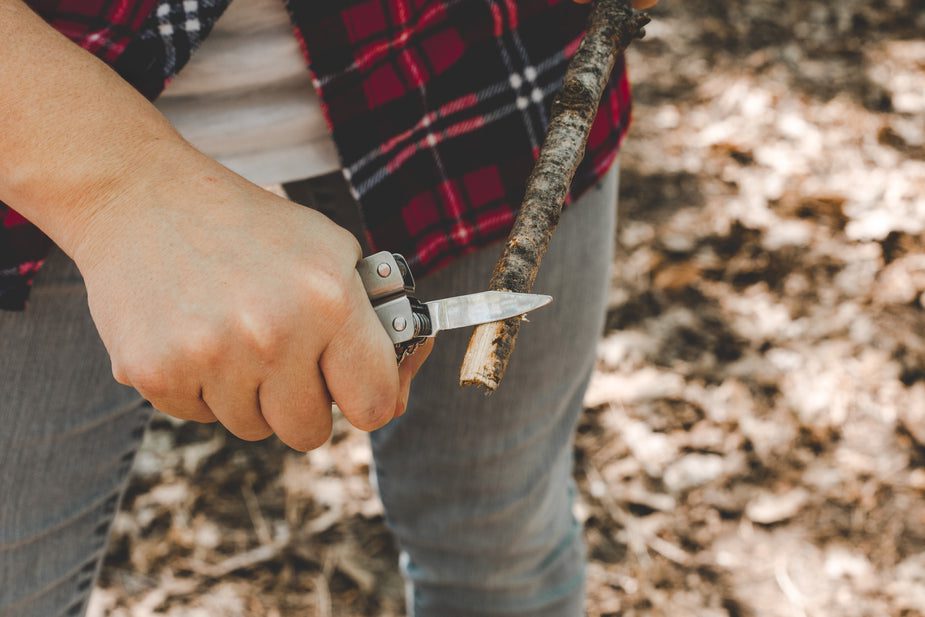
Beyond safety, a sharp edge transforms your entire experience — whether you’re slicing tomatoes paper-thin, breaking down a chicken, feathering kindling at camp, or opening boxes with your EDC. A well-maintained edge is the difference between a tool that fights you and one that disappears in your hand.
But here’s the challenge: sharpening can feel intimidating. Whetstones, guided systems, electric sharpeners, honing rods, strops — the options are overwhelming. That’s exactly why we created this guide. We’ve tested the top sharpeners across every category and skill level so you can find the right one — whether you’re a complete beginner or a seasoned sharpener.
Top 5 Knife Sharpeners — Comparison Table
Last updated: June 2026 | Bladeowl is reader-supported. We may earn a commission on qualifying purchases at no extra cost to you.
| Sharpener | Type | Price | Difficulty | Best For | Rating | Check Price |
|---|---|---|---|---|---|---|
| Work Sharp Precision Adjust Elite | Guided System | $$ | Easy | EDC & Pocket Knives | ★ 9.4/10 | View on Amazon |
| King Whetstone Combo (1000/6000) | Whetstone | $ | Moderate | Kitchen Knives | ★ 9.0/10 | View on Amazon |
| Work Sharp Ken Onion Edition | Electric Belt | $$$ | Easy | High Volume / All Knives | ★ 9.2/10 | View on Amazon |
| Lansky Deluxe 5-Stone System | Guided System | $ | Easy | Budget Guided Sharpening | ★ 8.6/10 | View on Amazon |
| Chef’sChoice Trizor XV | Electric | $$ | Very Easy | Kitchen Knives (15° Edge) | ★ 8.8/10 | View on Amazon |
Types of Knife Sharpeners — Which Is Right for You?
Before diving into individual recommendations, let’s break down the main sharpener categories. Each has different strengths, learning curves, and ideal use cases.
1. Whetstones (Freehand)
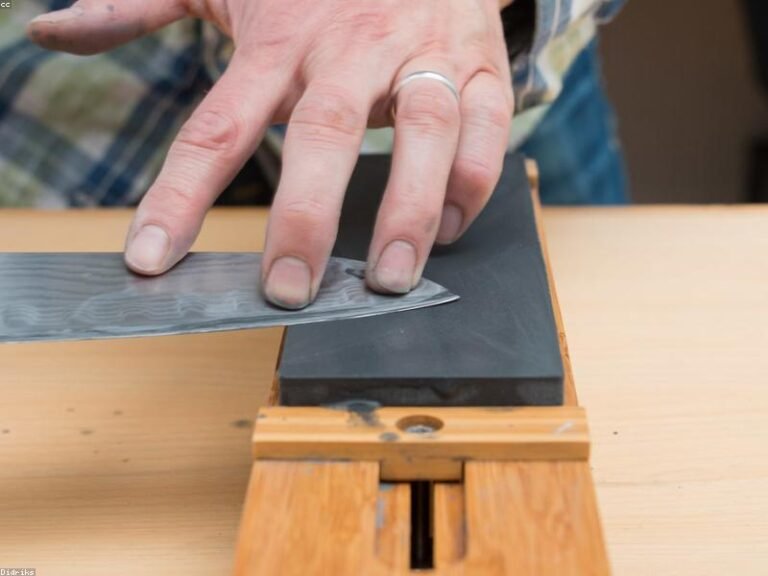
The purist’s choice. Whetstones give you total control over angle, pressure, and finish. You can achieve the sharpest possible edge — literally hair-whittling sharp — with enough practice. The trade-off? A steep learning curve. Expect wobbly results for your first few attempts. But once the muscle memory clicks, no other method matches the versatility and edge quality of freehand whetstone sharpening. Best for: Kitchen knives, Japanese blades, anyone willing to invest time in a skill.
2. Guided Sharpening Systems
The sweet spot for consistency. Guided systems clamp your knife in place and use a rod-and-arm mechanism to maintain a precise, repeatable angle across the entire edge. You get near-whetstone-level sharpness with dramatically less skill required. Most systems include multiple grits for progression from coarse repair to mirror-polish finishing. Best for: EDC and pocket knives, beginners who want pro results, anyone who values consistency over freehand artistry.
3. Electric Sharpeners
Speed and convenience above all. Electric sharpeners use motor-driven abrasive belts or wheels to sharpen knives in seconds. The best models (like the Work Sharp Ken Onion and Chef’sChoice Trizor) have angle guides and multi-stage systems. The risks? Cheap electric sharpeners eat away too much steel and can overheat the edge. Best for: Busy home cooks, sharpening large collections, those who want push-button simplicity.
4. Pull-Through Sharpeners
The quick-and-dirty option. Pull-through sharpeners have carbide or ceramic V-notches you draw the blade through. They’re dead simple and fast — but they’re also the most aggressive, often removing more steel than necessary and leaving a rough edge. We generally don’t recommend them for quality knives. If you absolutely need one, the Smith’s Pocket Pal is the least bad option for field touch-ups.
5. Honing Rods & Strops
Maintenance, not sharpening. Honing rods (steel or ceramic) and strops don’t remove significant metal — they realign the microscopic edge that bends with use. Think of them as daily maintenance between actual sharpening sessions. A few passes on a honing rod before each use keeps your edge performing between whetstone sessions. A leather strop loaded with compound is the final step for a razor edge after sharpening. Every knife owner should have at least a honing rod.
In-Depth Reviews: The Best Knife Sharpeners of 2026
🏆 Best Overall: Work Sharp Precision Adjust Elite
Rating: 9.4/10 | Type: Guided System | Price: ~$120 | Grits: 220, 320, 400, 600, 800, Ceramic + Leather Strop

The Work Sharp Precision Adjust Elite is the system that made guided sharpening accessible to everyone. It clamps your knife securely on a magnetic base, and the articulated rod arm holds your sharpening stone at a precise angle — adjustable from 15° to 30°. No guesswork, no wobbling, just repeatable razor edges every single time.
What sets the Elite version apart is the upgraded abrasive selection: six diamond grits (220 through 800), a fine ceramic hone, and a leather strop with compound — everything you need to go from chipped-and-dull to mirror-polished and hair-shaving sharp. The built-in digital angle indicator is a nice bonus, though we found the preset angles to be spot-on.
- Pros: Foolproof angle consistency, extensive grit progression, excellent build quality, fast stone changes, works for blades 2″–8″
- Cons: Price (~$120), not ideal for blades over 8″, small work area requires steady surface
🗡️ Best Whetstone: King 1000/6000 Combo Stone
Rating: 9.0/10 | Type: Whetstone (Soaking) | Price: ~$30 | Grits: 1000 / 6000

If you want to learn freehand sharpening — the skill that gives you the absolute sharpest possible edge — the King 1000/6000 combo stone is the undisputed starting point. At around $30, it’s absurdly good value. The 1000-grit side establishes your edge and removes minor dulling, while the 6000-grit side polishes to a near-mirror finish that glides through tomatoes and newsprint alike.
The King stone is a soaking stone — submerge it in water for 10–15 minutes before use and keep it wet during sharpening. The muddy slurry it produces gives excellent feedback, letting you feel when you’ve hit the right angle. It’s softer than some premium stones (like Shapton or Naniwa), which means it dishes faster, but the feedback is more beginner-friendly. Pair it with a flattening stone or diamond plate to keep it true.
- Pros: Unbeatable value, excellent tactile feedback, produces very sharp edges, 1000/6000 covers everything from dull to polished
- Cons: Requires soaking (not splash-and-go), dishes faster than premium stones, needs a flattening solution, moderate learning curve
⚡ Best Electric: Work Sharp Ken Onion Edition
Rating: 9.2/10 | Type: Electric Belt Sharpener | Price: ~$150 | Grits: P120, X65, X22, X4 + 6000

Named after the legendary knife maker Ken Onion, this electric belt sharpener is a powerhouse. Variable-speed motor, flexible abrasive belts that conform to the blade’s contour, and precision angle guides from 15° to 30° — it’s the fastest way to put a professional edge on anything from kitchen knives to lawn mower blades.
The Blade Grinding Attachment (sold separately, or included in the Elite bundle) transforms this into a mini belt grinder capable of re-profiling edges, fixing chips, and even creating convex grinds. For someone with a large knife collection or a sharpening side business, this setup pays for itself quickly. Warning: the belts are aggressive — practice on a beater knife first to avoid removing too much steel.
- Pros: Lightning fast, professional-grade edges in minutes, versatile belt grits, convex edge capability
- Cons: Steep learning curve (risk of over-grinding), noisy, replacement belts add ongoing cost, ~$150 price
💰 Best Budget Guided System: Lansky Deluxe 5-Stone
Rating: 8.6/10 | Type: Guided System (Clamp) | Price: ~$45 | Grits: 70 (Extra Coarse), 120 (Coarse), 280 (Medium), 600 (Fine), Ceramic (Ultra-Fine)

The Lansky Deluxe has been a staple of budget guided sharpening for decades — and for good reason. The clamp-on design holds your blade at fixed angles (17°, 20°, 25°, and 30°) via pre-drilled holes in the guide rods. The five-stone progression takes you from edge repair (70 grit) all the way to a polished finish with the ceramic hone.
It’s not as refined as the Work Sharp Precision Adjust — the clamp can mar coated blades if you over-tighten, and the fixed angle slots limit precision compared to continuous adjustment. But at roughly one-third the price, it delivers 80% of the performance. For knife enthusiasts on a budget or as a secondary/travel system, it’s still a fantastic choice.
- Pros: Excellent value at ~$45, five grits cover everything, simple to use, classic proven design
- Cons: Clamp can scratch blade coatings, fixed angle slots (no micro-adjustment), slower stone changes, works best on blades 3″–6″
🍳 Best Electric for Kitchen: Chef’sChoice Trizor XV
Rating: 8.8/10 | Type: Electric (3-Stage) | Price: ~$155 | Angle: 15° (Japanese-style edge conversion)

If your primary use case is keeping kitchen knives razor-sharp with zero learning curve, the Chef’sChoice Trizor XV is the gold standard. Pop the knife in, pull it through three stages (diamond abrasive shaping, diamond abrasive honing, and flexible stropping discs), and you have a screaming-sharp 15° edge in under a minute.
The Trizor XV is specifically designed to convert standard 20° (European/American) edges to 15° (Japanese-style) edges, which are thinner and sharper — ideal for modern kitchen knives. It works on both straight-edge and serrated blades. The trade-off? It’s kitchen-only (no angle adjustment), and like all electrics, it removes steel with every pass. For home cooks who want sharp knives without a hobby, this is the answer.
- Pros: Foolproof operation, 15° edge conversion for sharper kitchen knives, works on serrated blades, fast (under 60 seconds)
- Cons: Kitchen-only (fixed 15° angle), removes more steel than manual methods, ~$155 price, not for pocket/outdoor knives
Best Sharpeners by Use Case
🌱 Best for Beginners
Work Sharp Precision Adjust Elite
You’ll get razor-sharp edges from day one. The guided angle system eliminates the single biggest beginner mistake — inconsistent angles. Start with the 320 grit for routine sharpening, progress to 600/800, and finish on the ceramic and strop. Within an hour of unboxing, you can produce edges sharper than factory.
💼 Best for Professionals / High Volume
Work Sharp Ken Onion Edition
If you’re sharpening dozens of knives — for a restaurant, sharpening service, or personal collection — speed matters. The belt system reprofiles, sharpens, and polishes in minutes per knife. With the Blade Grinding Attachment, it’s essentially a compact professional belt grinder. Just invest the time to learn the technique.
💰 Best Budget Option
King 1000/6000 Whetstone
At ~$30, you get a genuine Japanese whetstone that’s been the standard for beginners and pros alike for decades. The 1000/6000 grit combo is perfect for maintaining kitchen and EDC knives. Add a $15 flattening stone and you have a complete sharpening setup for under $50. If you’re willing to learn freehand, this is the best value in sharpening.
🎒 Best for Field Sharpening
Work Sharp Guided Field Sharpener
Pocket-sized with diamond plates (coarse and fine), ceramic rod, and leather strop — all in one tool. 20° angle guides built in. It’s not a full-sharpening replacement, but for touch-ups in the field, hunting camp, or your EDC bag, nothing beats it for ~$35. Honorable mention: Fallkniven DC4 for the ultralight crowd.
How to Choose the Right Sharpener
Still on the fence? Answer these four questions honestly, and the right sharpener will become obvious:
- What knives are you sharpening? Kitchen knives (15–20° angles) → Chef’sChoice or whetstone. EDC/pocket knives (17–25°) → Work Sharp Precision Adjust or Lansky. Outdoor/survival knives → Work Sharp Ken Onion or freehand whetstone.
- How much time per knife? 60 seconds → electric. 5–10 minutes → guided system. 15–30 minutes → whetstone. There’s no free lunch — faster methods remove more steel.
- What’s your budget? Under $50 → King whetstone or Lansky. $50–120 → Work Sharp Precision Adjust. $120+ → Ken Onion or Chef’sChoice.
- Willing to learn a skill, or want push-button results? If you enjoy the craft → whetstones. If you just want sharp knives without a hobby → guided system or electric.
Frequently Asked Questions
Q: How often should I sharpen my knives?
For kitchen knives used daily: hone before each use, sharpen every 3–6 months. EDC knives: strop weekly, sharpen when touch-ups stop working. The “paper test” is your guide — when your knife can’t cleanly slice printer paper, it’s sharpening time. Hone regularly, sharpen only when needed. Over-sharpening unnecessarily wears down your blade.
Q: What sharpening angle should I use?
15°–17° per side: Japanese kitchen knives, fillet knives (sharper, more delicate). 20° per side: Western chef’s knives, most EDC pocket knives (best all-rounder). 22°–25°: Outdoor/survival knives, hard-use blades (more durable edge). When in doubt, use the factory angle — mark the edge with a Sharpie, make a pass on a stone, and see where the ink is removed.
Q: Can I use the same sharpener for kitchen and pocket knives?
Yes — but check the sharpener’s angle adjustment range. Whetstones and guided systems like the Work Sharp Precision Adjust work on any knife. Dedicated kitchen sharpeners like the Chef’sChoice Trizor are locked at 15° and won’t work properly for pocket knives (which typically use 20°+). Electric belt sharpeners like the Ken Onion handle everything but require technique adjustment per blade type.
Q: Honing rod vs sharpening — what’s the difference?
A honing rod (also called a sharpening steel) realigns the microscopic edge that bends during use. It doesn’t remove metal. Sharpening removes metal to create a new edge. Think of honing as brushing your teeth and sharpening as a dental visit. Both are necessary, but for different frequencies. Hone weekly, sharpen quarterly.
Q: Do pull-through sharpeners ruin knives?
Cheap carbide pull-throughs are aggressive and can tear out chunks of steel, leaving a jagged, weakened edge. We don’t recommend them for any knife you care about. Quality pull-throughs (like the ceramic models from Chef’sChoice or Minosharp) are gentler but still less precise than guided or freehand methods. If you must use one, the ceramic rod type is the safer bet. For $30, a King whetstone is a vastly better investment.
Q: Can I sharpen serrated knives?
Yes — but it requires special tools. Serrated knives need a tapered diamond or ceramic rod that fits into each individual serration. The Chef’sChoice Trizor XV has a serrated sharpening stage. For manual sharpening, the Spyderco Tri-Angle Sharpmaker with its triangular rods works excellently for serrations. Don’t use flat stones on serrated edges — you’ll just grind down the high points.
Ready for Razor-Sharp Knives?
A sharp knife changes everything — safer cooking, better performance in the field, and the quiet satisfaction of maintaining your tools. All five sharpeners above have been thoroughly tested. Pick the one that fits your skill level and budget, and you’ll wonder why you waited so long.
Bladeowl is reader-supported. When you buy through our links, we may earn a commission at no extra cost to you — thank you for supporting independent gear reviews. 🔪
Questions about which sharpener is right for you? Drop a comment — we test this stuff and answer every question. 🪨