Premium Steel Maintenance: Why Higher-End Blades Still Need Care
There’s a common assumption that spending more on blade steel buys you a knife that basically takes care of itself. It’s an understandable mistake — premium steels really do resist wear and corrosion better than budget alternatives. But “better resistance” is not the same as “no maintenance needed,” and treating a premium blade like it’s invincible is one of the fastest ways to shorten its life or dull its performance.
Corrosion Resistance Isn’t Corrosion Immunity
Even highly corrosion-resistant powder steels contain chromium and other alloying elements that form a protective layer, not an impermeable shield. Left wet, salty, or in contact with acidic food residue for extended periods, most premium stainless steels can still develop staining or pitting over time. A quick wipe-down and dry after use remains just as relevant on an expensive blade as on a cheap one — the difference is how much abuse it takes before problems show up, not whether they can happen at all.
Pivots, Springs, and Moving Parts Don’t Care About Steel Grade
Blade steel quality has nothing to do with how well a folding knife’s pivot, detent, or lock bar holds up over time. Dust, lint, and dried oil can still gum up a $300 knife’s action exactly the way they would a $30 knife’s. Periodic disassembly (where the design allows it) or at least flushing the pivot area with a light solvent and reapplying a drop of oil keeps action smooth regardless of what the blade itself is made from.
Edge Retention Still Ends Eventually
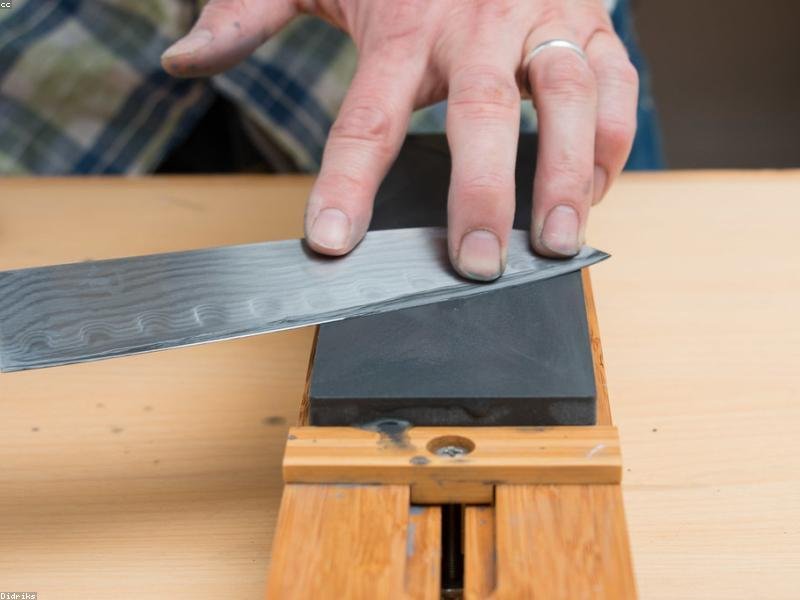
Premium steel’s main selling point is holding a working edge longer, not holding it forever. Skipping sharpening because “this steel is supposed to stay sharp” just means you’ll eventually be trying to restore a badly rolled or chipped edge instead of doing a quick touch-up on a stone or strop while it’s still mostly sharp. Catching the edge early, while it just needs light maintenance, is far less work than waiting until it’s genuinely dull.
Storage Habits Matter More Than People Think
Tossing a premium knife loose in a junk drawer or damp pocket for months at a time invites the same problems it would with any knife: micro-corrosion from trapped moisture, edge damage from knocking against other hard objects, and handle materials degrading faster than they should. A sheath, a dedicated pocket, or simply keeping the knife dry and separated from other metal objects goes a long way toward protecting the investment you made in better steel.
Premium steel rewards the same basic habits that keep any knife performing well — it just gives you a longer runway before neglect catches up with you. Treating that runway as infinite is where the real mistakes happen.