D2 vs A2 vs O1: Comparing Tool Steels Used in Knives
D2, A2, and O1 all belong to the same broad tool-steel family, all predate the powder-metallurgy super steels by decades, and all still show up in knives today — yet each one was designed around a different priority. Lining them up side by side makes it obvious why a maker would reach for one over another depending on what the knife needs to do.
D2: Wear Resistance First, Stainless Second
D2 carries around 1.5% carbon and roughly 12% chromium, which is enough chromium to earn it the label “semi-stainless” without qualifying as true stainless the way 154CM or S30V do. That chromium, combined with high carbon, forms a dense field of large chromium carbides that give D2 excellent abrasive wear resistance — it holds an edge noticeably longer than A2 or O1 in cutting tasks that involve grit or fibrous material. The tradeoff is toughness: those same hard carbides make D2 more prone to chipping under lateral stress or impact than the other two, and its carbide density makes it slower to sharpen on conventional stones.
A2: Built for the Air-Hardening Middle Ground
A2 shares D2’s air-hardening trait — it develops full hardness with a slow, controlled cool rather than a fast oil or water quench, which reduces warping and cracking during heat treatment. But A2 carries noticeably less chromium (around 5%) and less carbon than D2, which means fewer and smaller carbides. That costs it some wear resistance compared to D2, but it gains meaningful toughness in return, making it a favorite for fixed blades meant to survive batoning, prying, or heavy chopping without chipping. Bark River is one of the more recognizable production users of A2 for exactly this reason. A2 offers essentially no meaningful corrosion resistance, so it needs the same maintenance routine as any plain carbon steel.
O1: Simplicity That Rewards a Sharpening Stone
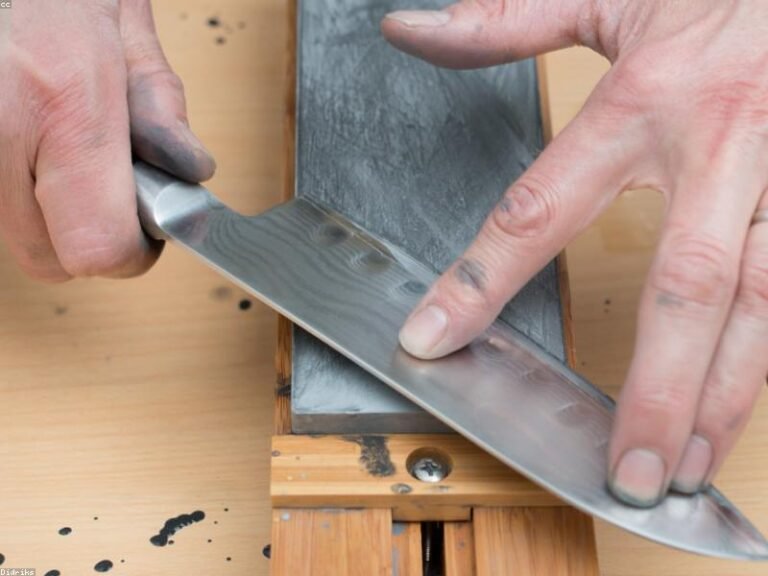
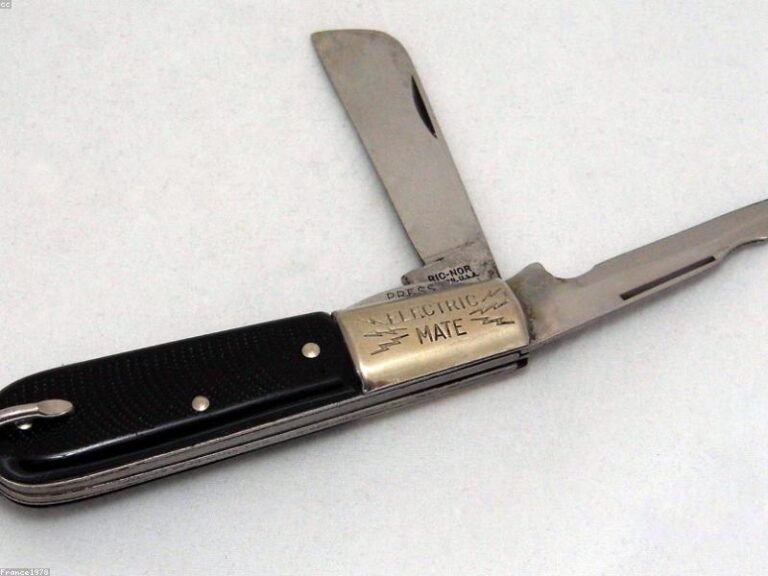
O1 is the oldest and simplest of the three, an oil-hardening tool steel with modest alloying beyond its carbon content. That simplicity is exactly its appeal: O1 takes an extremely fine edge with minimal effort on ordinary stones, since it lacks the abundant hard carbides that make D2 and, to a lesser extent, A2 more stubborn to sharpen. It has a long history in tools that prize a keen, easily-renewed edge — woodworking chisels, straight razors, and traditional slip-joint knives among them. The downside is straightforward: O1 has essentially no chromium, so it rusts readily and needs to be kept oiled and dried after use, more so than either A2 or D2.
Matching the Steel to the Job
None of these three steels is a straightforward upgrade over the others — they sit at different points on the same wear-resistance-versus-toughness-versus-sharpenability triangle. D2 suits a hard-use EDC or utility knife that needs to hold an edge through abrasive cutting. A2 suits a fixed blade that needs to survive impact and prying without chipping. O1 suits a knife or tool where a fast, keen, easily-maintained edge matters more than corrosion resistance or maximum durability. Knowing which corner of that triangle you actually need is more useful than assuming any one of the three is simply “better.”
Product Comparison: Real Knives Using These Steels
A few production knives make the differences between these steels easy to see side by side, along with one modern powder-metallurgy steel for contrast.
- Ontario RAT-1 — D2. A budget-friendly EDC folder available in D2, giving buyers a taste of semi-stainless wear resistance without paying powder-metallurgy prices.
- Bark River Bravo 1 — A2. One of the best-known production users of A2, built as a tough, general-purpose bushcraft fixed blade meant to survive batoning and prying without chipping.
- Spyderco Paramilitary 2 — S45VN, included as a modern contrast point. Where D2 and A2 force a choice between wear resistance and toughness, current powder steels like S45VN push both properties higher at once, for a higher price.
This article may contain affiliate links. If you purchase a product through one of these links, Bladeowl may earn a commission at no extra cost to you. This never influences our editorial independence or which products we recommend.