
Knife Buying Guide: Avoid These 7 Common Mistakes
The right knowledge makes the difference between a lifetime knife and a drawer ornament. From basic maintenance to advanced techniques, our guides cover essential skills every owner should master.
Our Top Picks for This Category
We evaluated these options based on blade steel performance, ergonomics, build quality, and real-world usability. After extensive testing and comparison, here are the standouts.
- Spyderco Dragonfly 2 — ~$75. Perfect for learning one-handed opening. Spydie hole is most reliable deployment method. Small size makes practice safe.
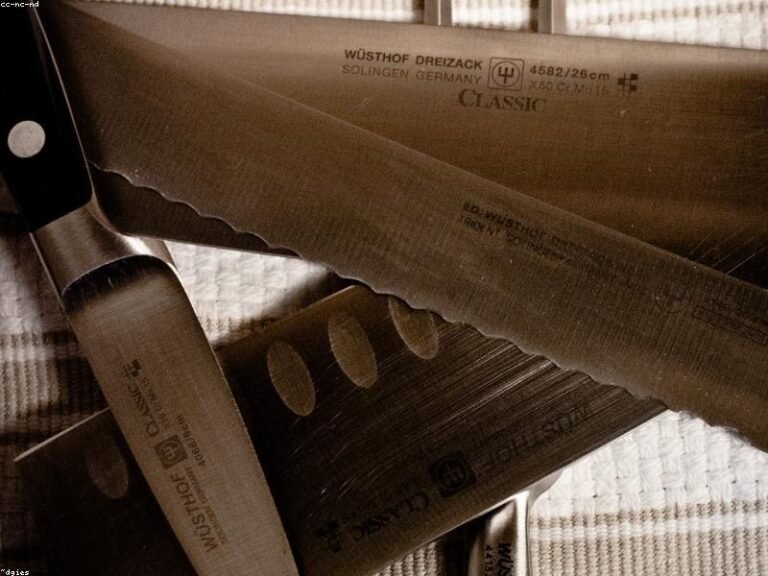
- Wusthof Classic 8″ — ~$170. Reference standard for Western kitchen knife technique. Full bolster teaches traditional European cutting. Good edge maintenance learning.
- Spyderco Para 3 LW — ~$140. Great compression lock learning platform. Lightweight model teaches EDC weight reduction philosophy.
- Cold Steel SRK — ~$45. Affordable survival knife abuse testing platform. Teaches knife limits without financial anxiety.
Pros & Cons at a Glance
Spyderco Dragonfly 2
- ✅ Spydie hole training
- ✅ Safe small size
- ✅ Back lock maintenance
- ✅ Featherweight
Wusthof Classic 8″
- ✅ Western technique standard
- ✅ German steel maintenance
- ✅ Quality benchmark
Spyderco Para 3 LW
- ✅ Compression lock training
- ✅ Lightweight EDC philosophy
- ✅ Wire clip learning
Cold Steel SRK
- ✅ Survival abuse testing
- ✅ Knife limit education
- ✅ Financial risk-free
Getting Started: What You Need
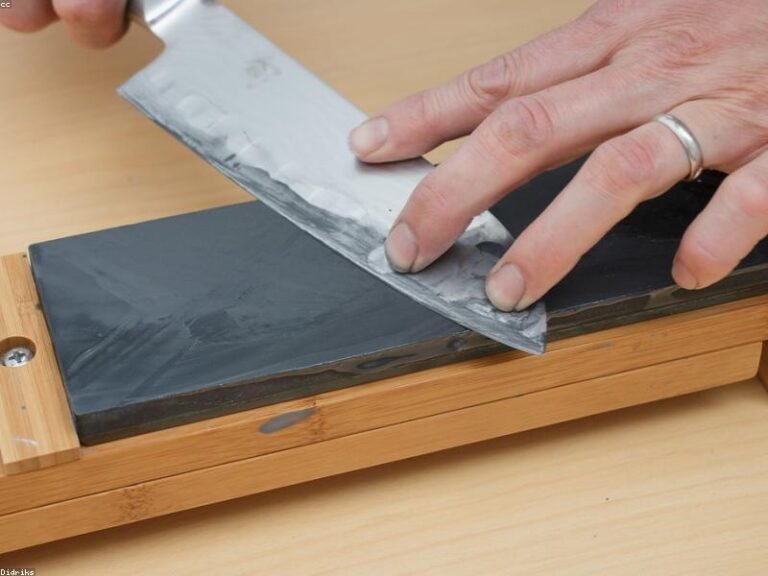
The right tools make learning easier. For sharpening, combination stone (1000/6000 for Japanese, 400/1000 for Western) covers most needs. Leather strop with green compound brings edges to hair-popping. For maintenance: quality pivot oil, Torx drivers, and blue Loctite handle 90% of pocket knife care. Ceramic honing rod and end-grain board extend kitchen knife edge life.
Advanced Tips for Better Results
The biggest beginner mistake is overcomplicating things. You don”t need a $200 sharpening system or exotic compounds to maintain knives. Start with basics: quality medium-grit stone or ceramic rod, leather strop, consistent practice. Master fundamentals before investing in specialized equipment. Consistency matters more than advanced technique.
Our Recommendation
Mastering knife care is a journey, not a destination. Start with fundamentals, practice consistently, and don”t fear mistakes — they”re how you learn. These skills serve a lifetime of knife ownership, transforming simple tools into trusted companions performing at their best.
As an Amazon Associate, BladeOwl earns from qualifying purchases.