Sheepsfoot and Wharncliffe Blades: The Safety-First EDC Shapes
Not every EDC knife needs a sharp piercing point, and for a lot of everyday tasks, having one is actually a downside. That’s the thinking behind two closely related blade shapes — the sheepsfoot and the wharncliffe — both designed around a simple idea: put the cutting edge to work while minimizing the risk of an accidental puncture.
The Sheepsfoot Blade
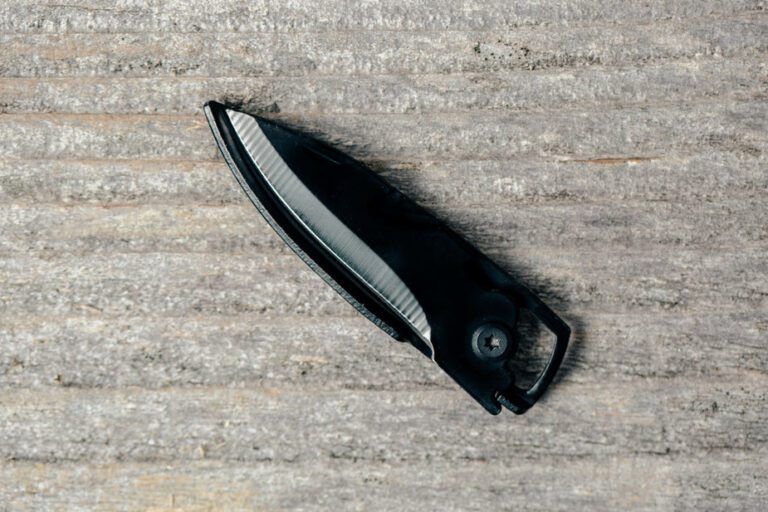
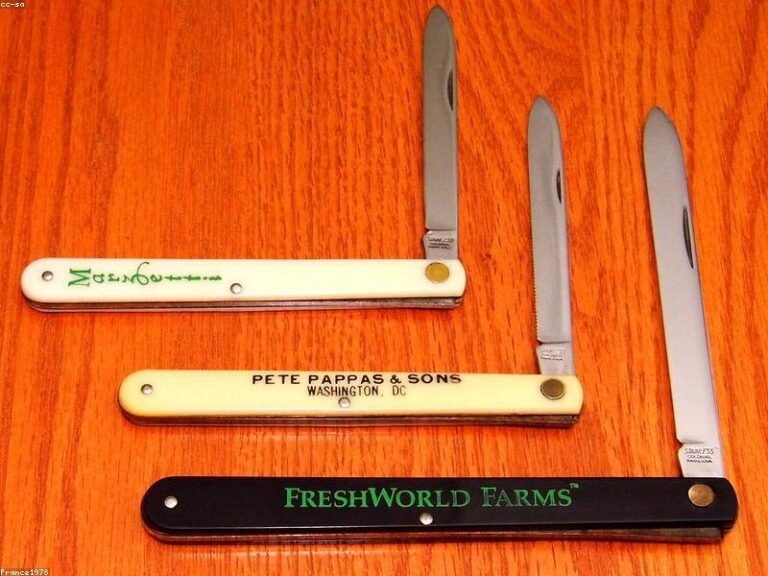
A true sheepsfoot blade has a straight cutting edge and a spine that curves down sharply near the tip, meeting the edge at a blunt, rounded point rather than a sharp one. The shape originated as a farrier’s and shepherd’s tool for trimming hooves without risking a stab injury if the animal moved unexpectedly. That same low-risk profile makes it popular today in rescue knives, where cutting webbing or seatbelts matters far more than piercing anything, and a snagging or stabbing tip could actually be dangerous in a confined space.
The Wharncliffe Blade
The wharncliffe shares the straight cutting edge of the sheepsfoot but curves its spine more gradually along the entire blade length, arriving at a point that is finer and more usable for detail work while still being less aggressive than a drop point or clip point tip. It’s a favorite for controlled tasks like opening mail, breaking down boxes along a fold line, or any cut where you want the edge doing the work right up against a straightedge without the tip catching or wandering.
Why the Straight Edge Matters as Much as the Tip
Both shapes share a straight, rather than curved (bellied), cutting edge. A straight edge is easier to keep flat against a cutting surface and produces cleaner, more predictable cuts on flat materials like cardboard, rope, or tape. It also tends to be simpler to sharpen evenly on a flat stone since there’s no curve to maintain consistent contact through.
When These Shapes Make Sense for EDC
- Frequent box, package, or plastic-wrap opening where a controlled straight edge helps.
- Workplaces or public settings where a less aggressive-looking tip is preferable.
- Rescue or emergency-prep use, where minimizing puncture risk during a rushed cut is a real safety concern.
- Anyone who rarely uses a knife tip for piercing tasks and would rather trade that capability for a more controlled edge.
Neither shape is meant to replace a general-purpose drop point for someone who needs a knife that pierces, chops, and slices equally well. But for the specific job of controlled, safety-conscious cutting, the sheepsfoot and wharncliffe remain two of the most purpose-built blade shapes in the EDC world.
This article may contain affiliate links. If you purchase a product through one of these links, Bladeowl may earn a commission at no extra cost to you. This never influences our editorial independence or which products we recommend.