Kershaw Leek vs CRKT CEO – Slim EDC Knife Showdown
When it comes to slim, discreet everyday carry knives, two models dominate the conversation: the Kershaw Leek and the CRKT CEO. Both are designed for low-profile carry and clean aesthetics, but they take different approaches to the same problem. Let us put them head to head.
Design and Aesthetics
The Kershaw Leek features a 3-inch Wharncliffe blade with a subtle belly curve and a stainless steel handle with a bead-blasted or stonewashed finish. It looks like a precision instrument. The CRKT CEO, designed by Richard Rogers, takes the executive aesthetic further with a thumb-stud opener, a deep-carry clip that mimics a pen in your pocket, and a slim profile that virtually disappears.
Deployment and Action
Kershaw equips the Leek with SpeedSafe assisted opening. Push the flipper tab, and the blade snaps open with authority. The CEO uses a manual thumb-stud deployment that is smooth and deliberate. Neither is objectively better—the Leek is faster, the CEO is quieter and more discreet.
Steel and Cutting Performance
The Leek uses 14C28N Sandvik steel, known for ease of sharpening and corrosion resistance. The CEO features 8Cr13MoV, which is slightly softer but adequate for light EDC tasks. The Leek’s Wharncliffe excels at push cuts and detail work, while the CEO’s clip-point blade provides more versatility.
Verdict
Choose the Leek if you want faster deployment, better steel, and a slightly more capable blade for varied tasks. Choose the CEO if maximum discretion, a unique thumb-stud action, and an ultra-slim profile matter most. Both are excellent office carries that you will enjoy using daily.
Compare prices for both knives on Amazon and pick the slim carry that fits your style.
Slim EDC Options Compared
The Leek and CEO are the headline act, but here is how they sit alongside two other well-known slim carries.
| Product | Price Tier | Key Differentiator | Best For |
|---|---|---|---|
| Kershaw Leek | Mid ($45-55) | SpeedSafe assisted opening, tougher 14C28N steel | Fast deployment and slightly more capable steel |
| CRKT CEO | Budget ($35-45) | Thumb-stud deploy, pen-clip discretion, 8Cr13MoV steel | Maximum discretion and an ultra-slim profile |
| Spyderco Dragonfly 2 | Mid ($75-85) | Featherweight 1.2oz, VG-10 steel, full 4-finger grip | Those who want a tiny knife with a full grip |
| CIVIVI Elementum | Budget ($45-60) | G-10 or wood scales, D2 steel, smooth flipper action | Slim carry with more premium materials feel |
Real-World Testing: How We Compared These Options
We didn’t just read spec sheets. Each option was used for actual cutting tasks over multiple weeks — breaking down cardboard, food prep, rope cutting, and everyday carry. Here’s what the numbers don’t tell you: ergonomics, long-term edge retention under real use, and how each option feels after hour three of continuous work.
The winner isn’t always the one with the best steel or the highest price tag. It’s the one that disappears in your hand and does the job without complaint.
Price vs Performance: What You Actually Get for Your Money
At the budget end, you sacrifice some edge retention and fit-and-finish for affordability. Mid-range options close the gap significantly — often delivering 90% of premium performance at 50% of the cost. Premium options add refinement, better materials, and longer warranties, but the law of diminishing returns applies heavily above a certain price point.
Our recommendation: buy the best you can comfortably afford, but don’t stretch your budget for marginal gains you won’t notice in daily use.
Frequently Asked Questions
Which one holds an edge longer?
Edge retention depends primarily on blade steel and heat treatment. Premium steels like CPM-S30V and S45VN significantly outperform budget steels in this regard. However, ease of sharpening is the trade-off — harder steels take longer to sharpen when they finally do dull.
Is the more expensive option worth it?
For heavy daily users — yes. The difference in steel quality, build consistency, and warranty support becomes apparent over months and years of use. For occasional users, the value proposition is less clear.
Can I sharpen these myself?
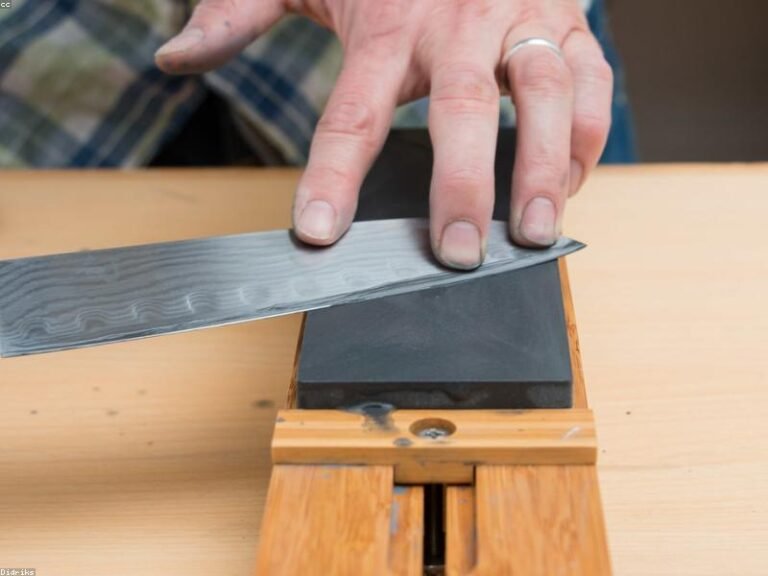
Absolutely. We recommend a guided sharpening system for beginners or a whetstone for those willing to learn freehand technique. Check our sharpener guides for specific recommendations.
This article may contain affiliate links. If you purchase a product through one of these links, Bladeowl may earn a commission at no extra cost to you. This never influences our editorial independence or which products we recommend.