
Handle Materials That Stay Grippy in Winter Gloves and Wet Cold
A beautiful handle means nothing the moment your hands are cold, wet, or wrapped in gloves. Winter conditions strip away the fine motor control and skin friction that most handle materials quietly rely on, which is why a knife that feels perfectly secure in a dry summer grip can suddenly feel unnervingly slick on a snowy trail or during wet, cold camp chores.
Why Cold and Wet Defeat Smooth Handles First
Grip security depends on friction between skin and handle, and friction depends heavily on surface texture and moisture. Smooth polished wood, unfinished smooth micarta, and glossy synthetic scales rely partly on the natural tackiness of dry skin to stay put in hand. Cold reduces circulation and dexterity in fingers, wet conditions add a thin film between skin and handle that acts almost like a lubricant, and gloves remove direct skin contact altogether. Any handle that depended on skin tack rather than mechanical texture loses most of its grip advantage exactly when you need it most.
What Textured G10 and Similar Materials Do Differently
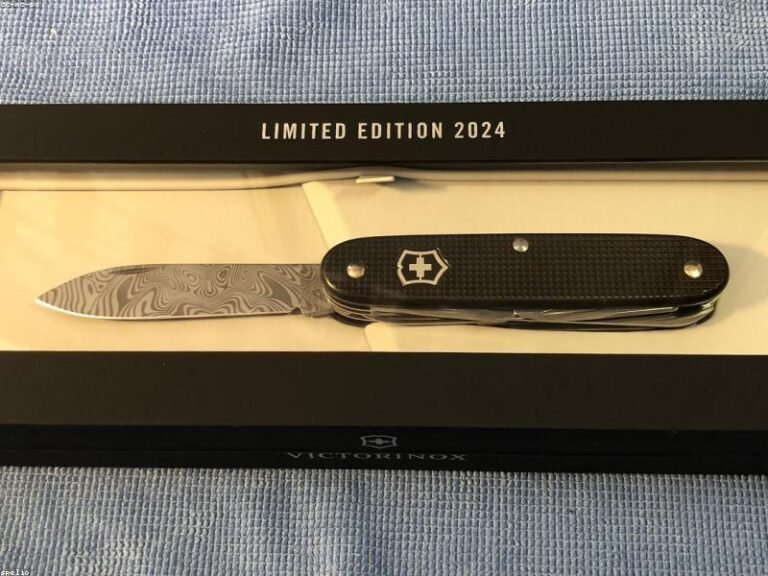
G10, a fiberglass laminate widely used on outdoor and tactical knife handles, is often milled or pressed with a peel-ply or checkered texture rather than left smooth. That texture creates actual mechanical interlock with skin, a glove’s palm material, or even a mitten, rather than relying on surface friction alone. Because the grip comes from physical texture rather than tackiness, it holds up whether your hand is bare, sweaty, gloved, or wet, conditions that would each reduce grip on a smooth surface in different ways. Rubberized and thermoplastic elastomer overmolds work on a related but distinct principle, using a soft, slightly tacky compound that deforms around fingers and maintains contact pressure even when compressed by a glove.
Aesthetics and Function Point in Different Directions
Some of the most visually appealing handle materials, polished stabilized wood, mirror-finished stainless bolsters, or smooth carbon fiber, are chosen largely for how they look and feel in a showcase or on a shelf. None of those qualities help once a glove is involved. A knife meant primarily for controlled indoor or fair-weather use can reasonably prioritize looks, but a knife meant to be used outdoors through winter needs its handle evaluated on texture and traction first, with appearance as a secondary consideration rather than the deciding factor.
Checkering, Jimping, and Finger Grooves Add Mechanical Backup
Beyond the base handle material, features like coarse checkering patterns, jimping along the spine or choil, and moderate finger grooves all add extra mechanical grip points that don’t depend on friction at all. These features matter more, not less, in glove use, since a gloved hand has reduced tactile feedback and benefits from a handle shape that guides it into a secure position almost automatically. A handle that combines a textured material with some of these shaping features tends to stay controllable across a wider range of conditions than one relying on a single grip mechanism.
Choosing With Winter Use in Mind
If a knife is going to see real winter or wet-weather use, evaluate the handle by putting on the gloves you’d actually wear and trying to grip it firmly, ideally with the handle slightly damp. A material that stays confident under those conditions will serve better in the field than one chosen because it photographed well. Traction is a functional spec, not a finishing touch, and treating it that way is what separates a knife that stays controllable in a winter glove from one that becomes a genuine hazard to hold.
This article may contain affiliate links. If you purchase a product through one of these links, Bladeowl may earn a commission at no extra cost to you. This never influences our editorial independence or which products we recommend.