Best Whetstone Starter Kit for Beginners in 2026
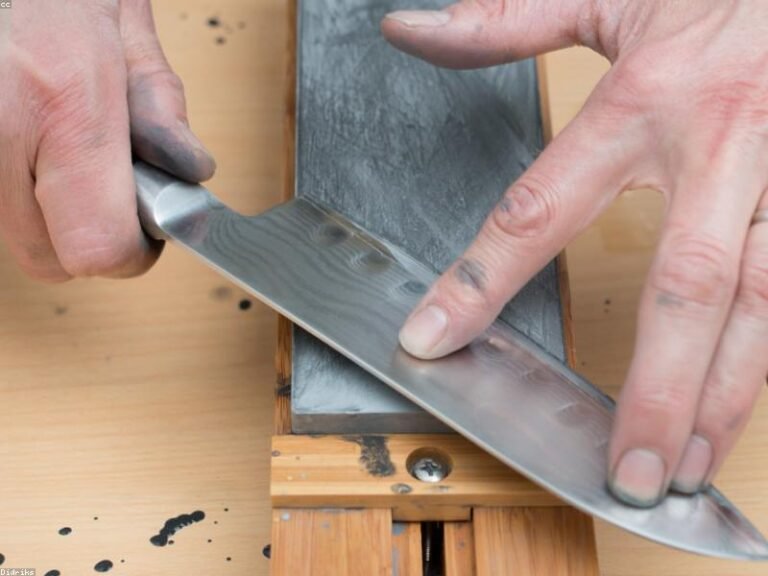
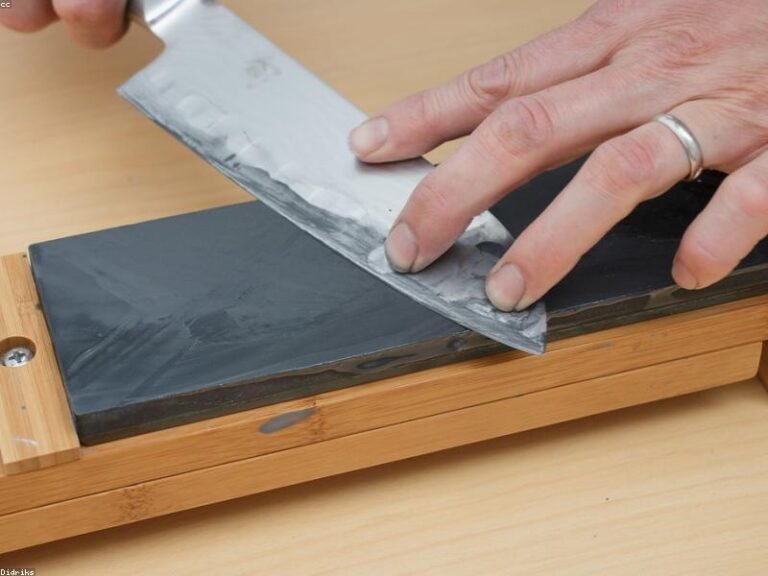
Learning to sharpen your own knives on a whetstone is one of the most satisfying skills a knife owner can develop. It saves money, extends the life of your blades, and gives you a deeper connection to your tools. But the world of whetstones can be intimidating. Here is everything you need to start your sharpening journey on the right foot.
Why Start with a Combo Stone?
A combination whetstone with two grits is the ideal starting point for beginners. The coarse side (around 400 grit) repairs minor damage and establishes the edge geometry. The fine side (around 1000 grit) refines that edge into shaving sharpness. You do not need a dozen stones to get started—a single quality combo stone will take you far.
Top Picks for Beginners
The King KDS 1000/6000 combo stone is a classic Japanese water stone that has taught generations of sharpeners. It is affordable, produces excellent feedback, and the 6000-grit side polishes edges to a near-mirror finish. The Sharp Pebble 400/1000 is another excellent entry point with a non-slip bamboo base included. For those wanting splash-and-go convenience without soaking, the Shapton Pro 1000 is a premium single-grit option worth the investment.
What Else You Need
A stone holder or non-slip base is essential for safety and stability. A flattening stone or lapping plate will keep your stones flat over time. Consider an angle guide if you struggle with consistency, though freehand practice is ultimately more rewarding. A leather strop with compound makes a great finishing step after your stone work.
Find the perfect whetstone kit on Amazon and start sharpening like a pro.
Beginner Whetstone Options Compared
All three of these stones show up repeatedly in beginner recommendations. Here is how they stack up against each other.
| Product | Price Tier | Key Differentiator | Best For |
|---|---|---|---|
| King KDS 1000/6000 | Budget ($35-45) | Classic dual-grit Japanese water stone, needs soaking | Traditional soak-and-sharpen beginners |
| Sharp Pebble 400/1000 | Budget ($25-35) | Coarse/medium combo with non-slip bamboo base included | Repairing damage plus everyday touch-ups |
| Shapton Pro 1000 | Mid ($45-55) | Splash-and-go ceramic stone, no soaking required | Convenience and fast setup |
What to Look For When Shopping
Before you click “buy,” here are the factors that actually matter — not the marketing bullet points:
- Blade Steel: This determines edge retention, ease of sharpening, and corrosion resistance. Budget steels work fine but need more frequent touch-ups. Premium steels stay sharp longer but are harder to sharpen when they finally need it.
- Ergonomics: A knife that doesn’t fit your hand comfortably will sit in a drawer. The best knife is the one you actually want to use.
- Build Quality: Look for solid lockup, centered blades, and smooth action. These details separate well-made knives from disappointments.
- Warranty and Support: Good manufacturers stand behind their products. Check warranty terms before buying — lifetime warranties are common from reputable brands.
Common Mistakes to Avoid
We see the same mistakes over and over from first-time buyers. Here’s what to watch out for:
- Buying based on brand name alone: Great brands make mediocre knives too. Judge each model on its own merits.
- Ignoring ergonomics: A knife that looks great in photos might feel terrible in your hand. If possible, handle a knife before buying — or at least read detailed ergonomics reviews.
- Overspending on steel: For most users, mid-range steels like D2, 14C28N, or VG-10 offer the best balance of performance and value. Super-steels are great but diminishing returns kick in hard above S30V/S35VN level.
- Neglecting maintenance: Even the best knife needs occasional care. Budget for a basic sharpener and learn to use it.
Frequently Asked Questions
How much should I spend?
For a quality knife that will serve you well for years, budget $30—$150 depending on the category. Below $30, you’re making significant quality compromises. Above $150, you’re paying for premium materials and refinement that casual users may not fully appreciate.
How do I maintain my knife?
Clean after use, lubricate the pivot occasionally, and sharpen when the edge stops performing. It’s that simple. We have detailed maintenance guides for each knife type.
Can I return a knife if I don’t like it?
Return policies vary by retailer. Amazon typically offers 30-day returns on most knives. Check individual listing policies before purchasing.
This article may contain affiliate links. If you purchase a product through one of these links, Bladeowl may earn a commission at no extra cost to you. This never influences our editorial independence or which products we recommend.