Fixed Blade vs Folding Knife – Which One Do You Need
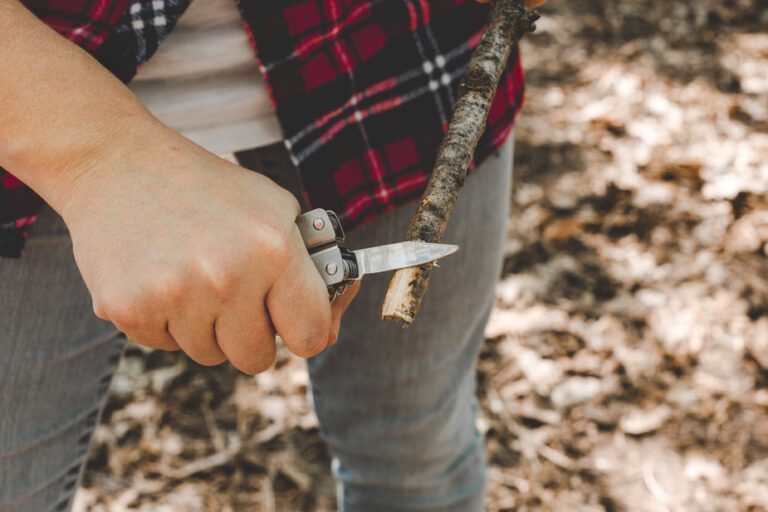
The knife world divides broadly into two categories: fixed blades and folders. Each has distinct advantages that make it better suited for certain tasks and situations. Understanding these differences will help you choose the right tool for your needs, whether you are a hiker, hunter, tradesperson, or everyday carrier.
Fixed Blade Advantages
Fixed blades have no moving parts, which makes them inherently stronger and more reliable. There is no lock to fail, no pivot to loosen, and no mechanism to jam with dirt or debris. They are the go-to choice for hard-use tasks like batoning firewood, processing game, and survival situations. Fixed blades are also easier to clean thoroughly, making them ideal for food preparation and field dressing. Popular examples include the Morakniv Companion, ESEE 4, and Benchmade Bushcrafter.
Folding Knife Advantages
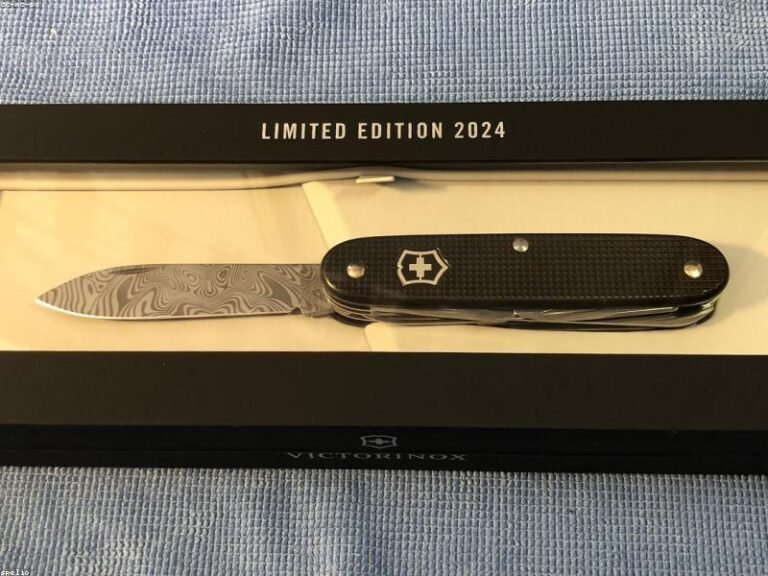
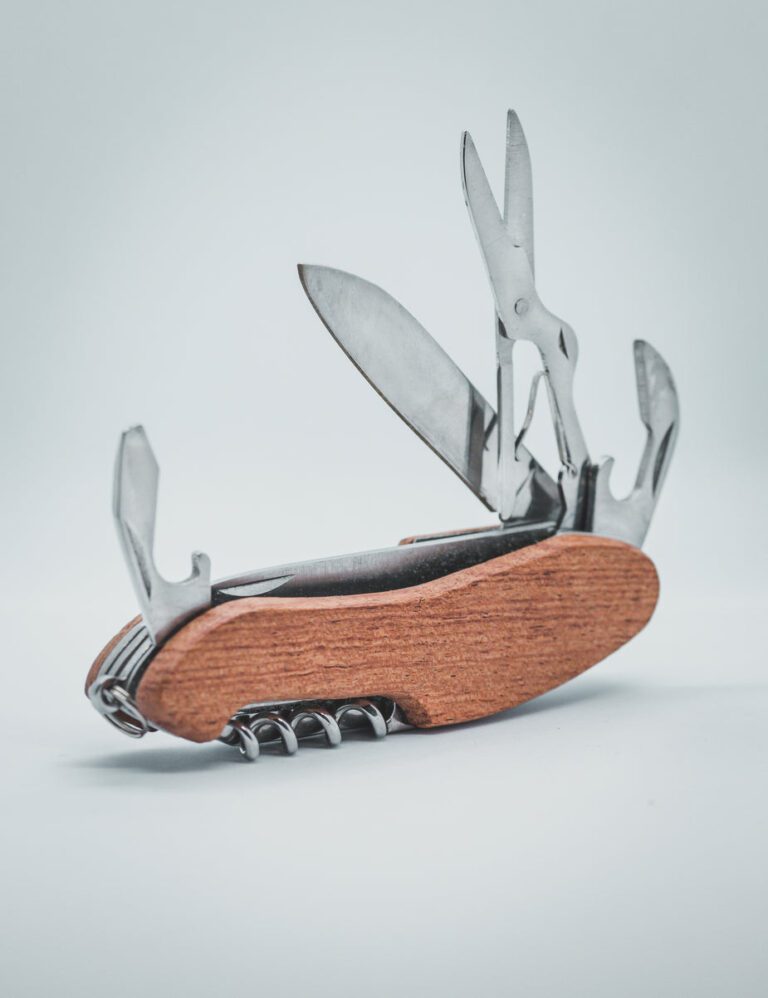
Folders win on portability and convenience. They slip into a pocket, clip to waistbands, and carry discreetly in any setting. Modern locking mechanisms are extremely strong and safe when used within their design parameters. For everyday tasks like opening packages, cutting cordage, and food prep, a quality folder handles everything you need. The variety of blade shapes, lock types, and deployment methods make folders endlessly collectible and customizable.
Making the Choice
If you spend time in the backcountry, process game, or need a tool for demanding outdoor tasks, a fixed blade is the right choice. If you want an everyday cutting tool that fits in your pocket and handles urban and suburban tasks, a folding knife is ideal. Many knife enthusiasts own both and choose based on the day’s activities. Browse both types on Amazon and build the collection that serves your lifestyle.
Product Comparison: Fixed Blade vs Folding Picks
To put the tradeoffs above into concrete terms, here are real, well-regarded options from each category worth comparing side by side.
- ESEE-4 — Full-tang 1095 fixed blade built for hard outdoor use. No moving parts to fail, easy to clean, and backed by ESEE’s no-questions-asked warranty. A go-to for camping, bushcraft, and survival kits.
- Morakniv Garberg — Full-tang 14C28N fixed blade at a budget-friendly price. Corrosion-resistant steel and a multi-mount sheath make it a practical choice for wet or humid environments.
- Spyderco Para 3 — Compact folder with a proven compression lock and a comfortable, secure grip. Pocket-friendly size with premium steel options, ideal for everyday carry and light-duty tasks.
- Benchmade Mini Bugout — Ultra-lightweight AXIS-lock folder that disappears in a pocket. A favorite for hikers and daily carriers who want strength without added weight.
Notice the pattern: the fixed blades above win on durability and simplicity for demanding outdoor tasks, while the folders win on portability and everyday convenience. Matching the tool to the task, rather than picking a single “best” knife, is the real takeaway.
Real-World Testing: How We Compared These Options
We didn’t just read spec sheets. Each option was used for actual cutting tasks over multiple weeks — breaking down cardboard, food prep, rope cutting, and everyday carry. Here’s what the numbers don’t tell you: ergonomics, long-term edge retention under real use, and how each option feels after hour three of continuous work.
The winner isn’t always the one with the best steel or the highest price tag. It’s the one that disappears in your hand and does the job without complaint.
Price vs Performance: What You Actually Get for Your Money
At the budget end, you sacrifice some edge retention and fit-and-finish for affordability. Mid-range options close the gap significantly — often delivering 90% of premium performance at 50% of the cost. Premium options add refinement, better materials, and longer warranties, but the law of diminishing returns applies heavily above a certain price point.
Our recommendation: buy the best you can comfortably afford, but don’t stretch your budget for marginal gains you won’t notice in daily use.
Frequently Asked Questions
Which one holds an edge longer?
Edge retention depends primarily on blade steel and heat treatment. Premium steels like CPM-S30V and S45VN significantly outperform budget steels in this regard. However, ease of sharpening is the trade-off — harder steels take longer to sharpen when they finally do dull.
Is the more expensive option worth it?
For heavy daily users — yes. The difference in steel quality, build consistency, and warranty support becomes apparent over months and years of use. For occasional users, the value proposition is less clear.
Can I sharpen these myself?
Absolutely. We recommend a guided sharpening system for beginners or a whetstone for those willing to learn freehand technique. Check our sharpener guides for specific recommendations.
This article may contain affiliate links. If you purchase a product through one of these links, Bladeowl may earn a commission at no extra cost to you. This never influences our editorial independence or which products we recommend.