How Much Should You Spend on a Kitchen Knife – Realistic Budget Guide
Kitchen knife prices range from $10 to over $1,000. For the average home cook, figuring out where on that spectrum to land is confusing. The good news is that you do not need to spend a fortune to get excellent cutting performance. Here is what you can expect at different price points and where the sweet spot lies.
Under $30: Basic but Functional
At this price point, you are getting stamped blades with basic stainless steel, plastic or low-grade wood handles, and unremarkable edge retention. These knives work for occasional cooking but will frustrate anyone who cooks regularly. The exception is Victorinox paring knives, which perform admirably at around $10 each and belong in every kitchen regardless of budget.
$40-80: The Sweet Spot
This is where the value curve peaks. The Victorinox Fibrox chef’s knife at $45, the Mercer Genesis line, and entry-level Tojiro knives all offer genuinely excellent performance. A knife in this range will serve the vast majority of home cooks for years with proper maintenance. If you only ever buy one chef’s knife, spend here.
$100-200: Serious Performance
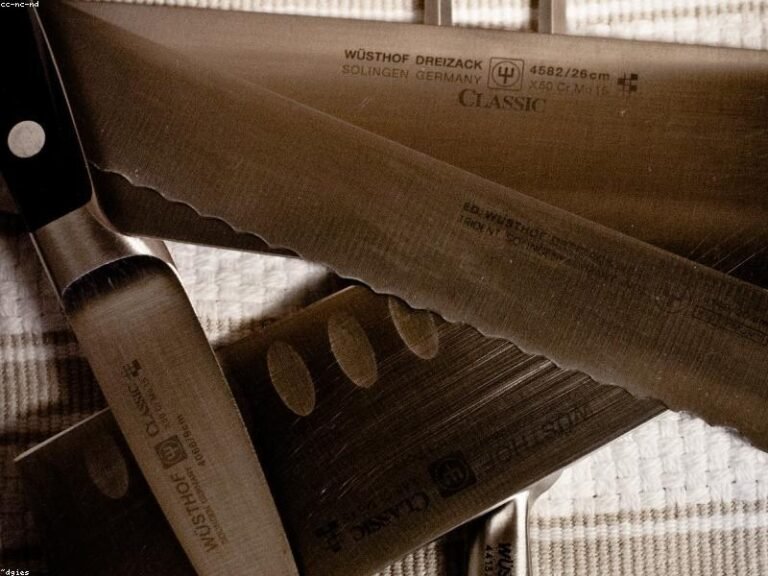
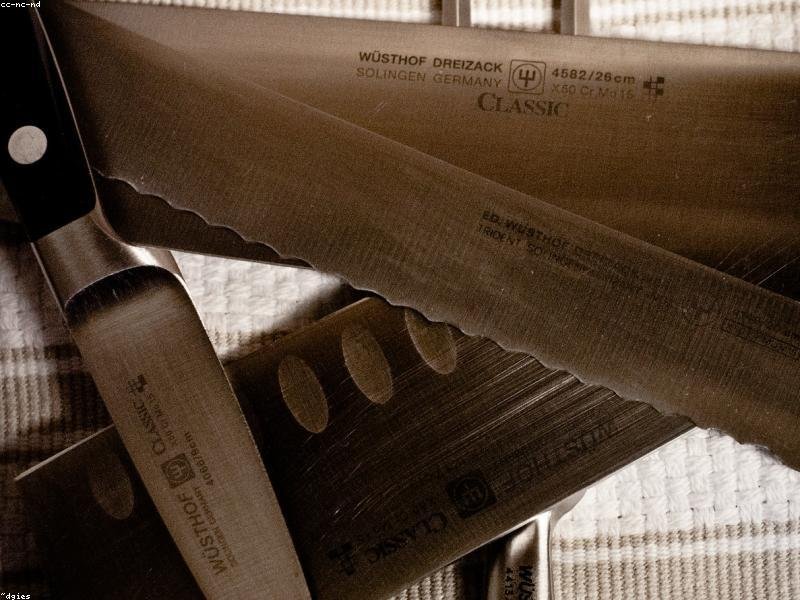
Stepping up to this range gets you forged German knives from Wusthof and Zwilling, mid-tier Japanese knives from brands like MAC and Tojiro, and improved fit and finish across the board. Edge retention improves noticeably, and the knives feel more refined. If cooking is a genuine hobby, this is where you will find the most satisfaction per dollar spent beyond the Victorinox tier.
Above $200: Enthusiast Territory
Beyond $200, you enter the world of handmade Japanese knives, exotic steels, and artisan craftsmanship. The performance gains are real but incremental. These are purchases of passion, not necessity. Find your ideal kitchen knife on Amazon at the price point that matches your cooking ambitions.
What to Look For When Shopping
Before you click “buy,” here are the factors that actually matter — not the marketing bullet points:
- Blade Steel: This determines edge retention, ease of sharpening, and corrosion resistance. Budget steels work fine but need more frequent touch-ups. Premium steels stay sharp longer but are harder to sharpen when they finally need it.
- Ergonomics: A knife that doesn’t fit your hand comfortably will sit in a drawer. The best knife is the one you actually want to use.
- Build Quality: Look for solid lockup, centered blades, and smooth action. These details separate well-made knives from disappointments.
- Warranty and Support: Good manufacturers stand behind their products. Check warranty terms before buying — lifetime warranties are common from reputable brands.
Common Mistakes to Avoid
We see the same mistakes over and over from first-time buyers. Here’s what to watch out for:
- Buying based on brand name alone: Great brands make mediocre knives too. Judge each model on its own merits.
- Ignoring ergonomics: A knife that looks great in photos might feel terrible in your hand. If possible, handle a knife before buying — or at least read detailed ergonomics reviews.
- Overspending on steel: For most users, mid-range steels like D2, 14C28N, or VG-10 offer the best balance of performance and value. Super-steels are great but diminishing returns kick in hard above S30V/S35VN level.
- Neglecting maintenance: Even the best knife needs occasional care. Budget for a basic sharpener and learn to use it.
Frequently Asked Questions
How much should I spend?
For a quality knife that will serve you well for years, budget $30—$150 depending on the category. Below $30, you’re making significant quality compromises. Above $150, you’re paying for premium materials and refinement that casual users may not fully appreciate.
How do I maintain my knife?
Clean after use, lubricate the pivot occasionally, and sharpen when the edge stops performing. It’s that simple. We have detailed maintenance guides for each knife type.
Can I return a knife if I don’t like it?
Return policies vary by retailer. Amazon typically offers 30-day returns on most knives. Check individual listing policies before purchasing.
This article may contain affiliate links. If you purchase a product through one of these links, Bladeowl may earn a commission at no extra cost to you. This never influences our editorial independence or which products we recommend.