
Best Fillet and Bait Knives for Fishing — Top Picks for 2026
A great day on the water deserves a great knife to match. Whether you’re processing your catch on the boat, at the cleaning station, or back at home, the right fillet knife makes all the difference between clean, professional cuts and a mangled mess. Here’s everything you need to know about choosing the best fillet and bait knives for 2026.
Fixed vs Folding Fillet Knives
Traditional fillet knives are fixed blades — usually 6 to 9 inches with a thin, flexible blade. They’re purpose-built for the job and offer the best control. A good fixed fillet knife glides along the backbone and ribs, separating meat from bone with minimal waste.
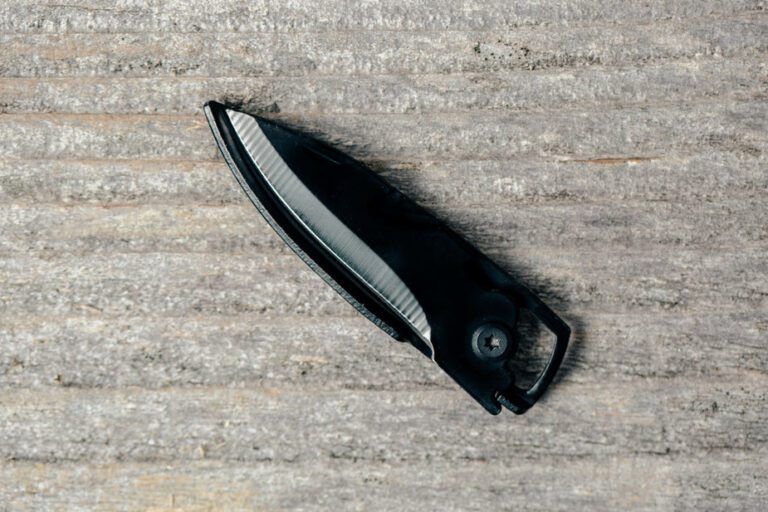
Folding fillet knives have gained popularity for their portability. They fit in a tackle box or pocket, and modern locking mechanisms keep them secure during use. The trade-off? Folders can’t match the smooth, seamless handle-to-blade transition of a fixed blade, which matters when your hands are covered in fish slime. For serious anglers, a fixed blade is still the go-to; for occasional use on smaller fish, a folder works fine.
Blade Flexibility: What You Really Need to Know
Fillet knives come in different flexibility levels, and choosing the right one depends on your target species:
- Very flexible: Best for small, delicate fish like trout, perch, and panfish. The blade bends to follow contours.
- Medium flex: The all-rounder. Handles bass, walleye, and medium-sized saltwater species.
- Stiff: For large, heavy fish like salmon, tuna, and striped bass. You need backbone to cut through thick rib bones.
Top 5 Fillet Knives for 2026
1. Wüsthof Classic 7-Inch Fillet Knife — Best Premium
German engineering applied to fish processing. High-carbon stainless steel with a perfectly judged flex. The synthetic handle is grippy when wet and dishwasher-safe. Around $100-$120. Buy once, use for decades.
2. Dexter Russell Sani-Safe — Best Value
The commercial fishing industry standard. High-carbon stain-free steel, slip-resistant polypropylene handle, and available in every length from 6 to 12 inches. At $20-$30, it’s the knife commercial fish processors reach for daily.
3. Bubba Blade 9-Inch Flex — Best for Big Fish
Designed for offshore anglers targeting tuna, mahi, and kingfish. Titanium-nitride coated stainless steel for corrosion resistance, non-slip grip texture, and a generous 9-inch blade with stiff flex. Paired with a synthetic sheath for boat storage. $50-$60.
4. Rapala Fish ‘n Fillet — Best Classic
The knife that defined the category. Available since the 1960s, the Rapala FnF features a tapered birch handle and Swedish stainless steel blade. The leather sheath includes a built-in sharpener. Available in 4, 6, and 7.5-inch lengths. $25-$35. Every angler should own one.
5. Spyderco Waterway — Best Saltwater Folding Option
If you want a folding knife that’s genuinely fish-ready, the Waterway is purpose-built. LC200N steel (virtually rust-proof), grippy G10 handles, and a sheepsfoot blade that’s ideal for bait cutting. Designed with input from survival expert Lance Clinton. $150-$170.
Electric vs Manual Fillet Knives
Electric fillet knives (like the Rapala Heavy Duty Electric or Mister Twister) are game-changers if you process large numbers of fish. They cut prep time dramatically and make consistent fillets even when your hands are tired. The downsides: they’re loud, need power (battery or outlet), and offer less “feel” — meaning more meat waste if you’re not careful. For tournament anglers and fish camp regulars, electric is a must-have. For weekend warriors, a good manual knife will serve you perfectly well.
Care and Maintenance for Fishing Knives
Saltwater is a knife killer. Even “stainless” steels will eventually rust without proper care. Follow these rules:
- Rinse immediately with fresh water after each use. Don’t let salt dry on the blade.
- Dry thoroughly before storing. A quick wipe isn’t enough — get into the pivot and handle junction.
- Oil the blade with mineral oil or a dedicated knife oil before longer storage. Food-safe mineral oil is best if your knife touches bait or fillets.
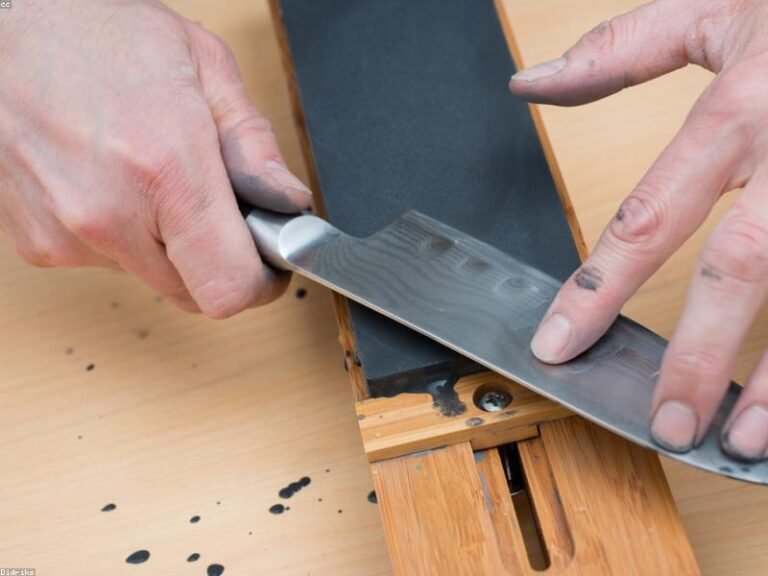
- Sharpen regularly: A dull fillet knife tears fish flesh rather than slicing it cleanly. Use a fine ceramic rod or stone between sessions.
- Never store in a leather sheath (leather + moisture = rust). Synthetic sheaths with drainage are the way to go.
Frequently Asked Questions
What length fillet knife do I need?
6-7 inches covers panfish, trout, and perch. 7-9 inches is the sweet spot for bass, walleye, and medium saltwater fish. 9-12 inches for salmon, tuna, and large offshore species. When in doubt, the 7-inch is the most versatile.
Can I use a fillet knife as a bait knife?
Yes, but a dedicated bait knife is usually shorter (5-6 inches) and stiffer for cutting through tough baitfish. A fillet knife’s flexibility can make cutting bait awkward. Dedicated bait knives like the Dexter Russell bait knife are inexpensive and purpose-built.
Whether you’re filleting panfish on a quiet lake or processing tuna offshore, the right knife turns a messy chore into a satisfying ritual. Invest in quality, maintain it religiously, and your fillet knife will reward you with perfect cuts every season.
This article may contain affiliate links. If you purchase a product through one of these links, Bladeowl may earn a commission at no extra cost to you. This never influences our editorial independence or which products we recommend.