Stainless vs Tool Steel: Which Is Right for Your Knife?
Knife steel is the heart of any blade. Composition, heat treatment, and carbide structure determine edge retention, sharpenability, corrosion resistance, and toughness. Understanding steel helps you make informed decisions. This guide breaks down everything.
Our Top Picks for This Category
We evaluated these options based on blade steel performance, ergonomics, build quality, and real-world usability. After extensive testing and comparison, here are the standouts.
- ESEE-4 — budget. 1095 simple high-carbon (0.95% carbon) — standard for tough fixed blades. Extreme toughness, easy sharpening, takes razor edge. Zero corrosion resistance.
- Spyderco Dragonfly 2 — mid. VG-10 Japanese stainless — Spyderco”s mid-range workhorse for decades. Cobalt, vanadium, and molybdenum provide balanced performance at 59-61 HRC.
- Spyderco Para 3 LW — mid. CTS-BD1N — Carpenter”s nitrogen-enhanced stainless. Nitrogen improves corrosion resistance and edge retention. Good sharpenability at accessible price.
Pros & Cons at a Glance
ESEE-4
- ✅ Extremely tough
- ✅ Takes razor edge
- ✅ Very easy to sharpen
- ✅ Inexpensive
- ❌ Rusts immediately
- ❌ No corrosion resistance
- ❌ Needs constant maintenance
Spyderco Dragonfly 2
- ✅ Excellent all-around balance
- ✅ Good corrosion resistance
- ✅ Easy to sharpen
- ✅ Proven
- ❌ Not exceptional in any category
- ❌ Lower retention than powder steels
Spyderco Para 3 LW
- ✅ Good corrosion resistance
- ✅ Easy to sharpen
- ✅ Nitrogen-enhanced
- ✅ Affordable
- ❌ Lower edge retention than premium steels
Toughness: Why It Matters
Corrosion resistance varies dramatically. True stainless (LC200N, H1, 20CV, M390) resist rust even in saltwater. Semi-stainless (D2, CruWear) spot or patina with neglect. Carbon/tool steels (1095, O1, K390) require active maintenance — oiling, immediate drying. Choose based on your environment and maintenance willingness.
Corrosion Resistance Rankings
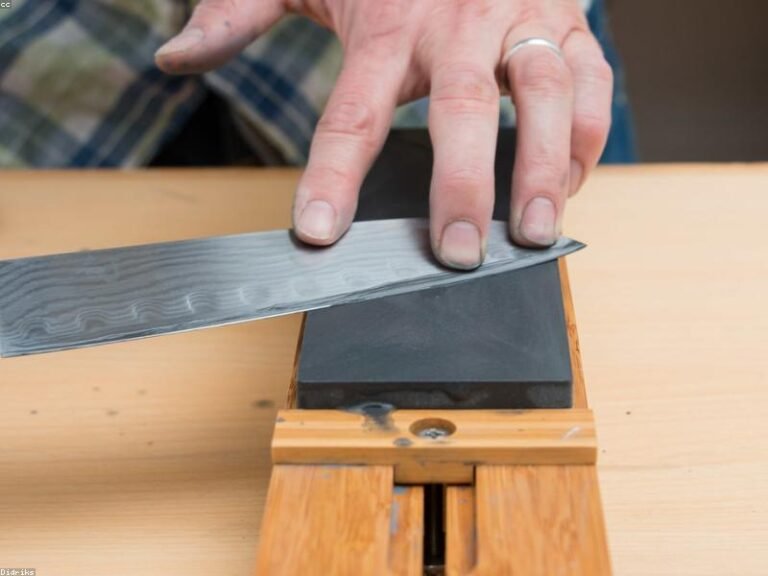
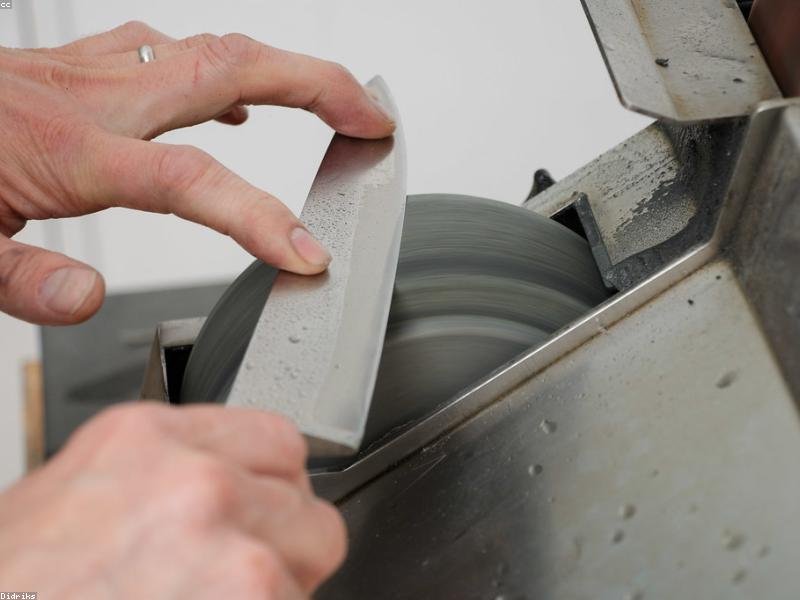
Ease of sharpening is most underrated property. Premium steels (K390, S110V, Maxamet) need diamond/CBN abrasives and significant time — serious if you sharpen yourself. Simpler steels (AUS-8, 14C28N, 1095) sharpen quickly on basic stones. Best knife steel is one you can actually maintain. Easy-to-sharpen steels provide more real-world utility than extreme retention monsters.
Our Recommendation
Understanding knife steel transforms you from casual buyer to informed enthusiast. Steel type is only one factor — geometry, heat treatment, and edge angle play equally important roles. Choose a steel matching your maintenance willingness and needs, and trust reputable manufacturers known for heat treatment expertise.
As an Amazon Associate, BladeOwl earns from qualifying purchases.