Beginner-Friendly Steels for Your First Sharpening Stone Practice
Sharpening is a hand skill, not a knowledge skill. You can read every article on bevel angles and burr formation and still botch your first ten attempts, because the only way the movement becomes automatic is repetition. The steel you practice on has an outsized effect on how fast that repetition pays off, and starting on the wrong steel is one of the most common reasons beginners quit before they get good.
Hardness Determines How Forgiving a Steel Feels
Steel hardness is measured on the Rockwell C scale (HRC), and it roughly tells you how much resistance a stone will meet. Softer steels in the mid-50s HRC abrade quickly, raise a burr in relatively few strokes, and let you feel mistakes almost immediately. Harder premium steels in the low-to-mid 60s HRC resist that same stone for far longer, which means a beginner can spend twenty minutes grinding at the wrong angle before realizing nothing has changed. That delayed feedback is exactly what makes hard steel frustrating to learn on.
Why 420HC and 8Cr13MoV Are Good Training Steels
Both of these are simple stainless steels used widely on budget and mid-range production knives, typically hardened somewhere in the mid-50s to around 58 HRC. They contain fewer and simpler carbides than premium powder steels, so a basic bench stone or diamond plate cuts into them predictably. New sharpeners get to practice the full cycle, coarse grinding, burr detection, burr removal, and stropping, without fighting the steel itself. If you botch an angle or apply too much pressure, the edge tells you quickly rather than silently refusing to respond.
Basic Carbon Steels Teach You to Read an Edge
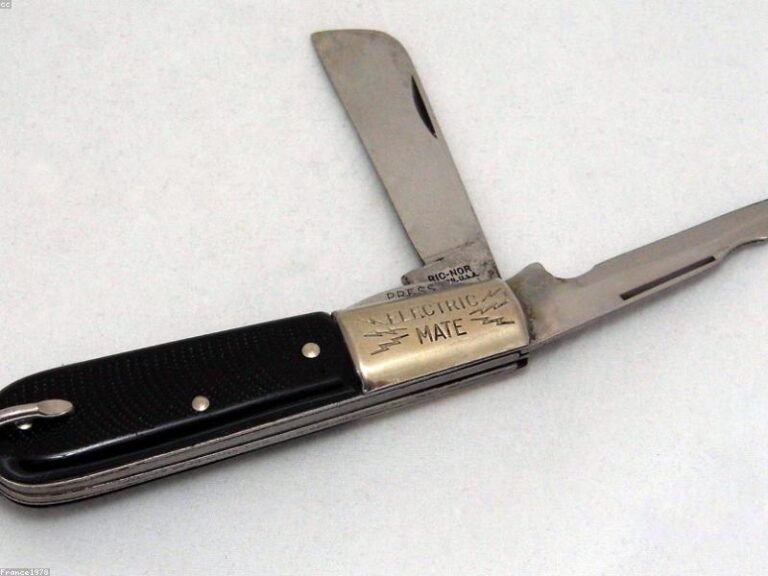
Plain carbon steels like 1095 or 1075 go a step further. They sharpen extremely fast, take a keen edge with minimal effort, and visibly darken or patina as you work, which gives you a rough visual sense of where the stone is actually contacting the bevel. Bushcraft and scout knives have used these steels for generations partly because they are cheap, but also because they reward correct technique so clearly. Learning to feel a burr form along the entire edge, rather than just in one spot, is much easier on a steel that raises one in seconds rather than minutes.
What Changes Once You Move to Premium Steels
Modern powder-metallurgy steels such as S30V, S35VN, or MagnaCut hold an edge far longer in use, but that same wear resistance means their hard carbides fight back against your stone. Sharpening them well generally calls for diamond or CBN abrasives and a lot more patience. If your angle control and burr awareness are already automatic from practicing on softer steel, moving to a premium blade is just a matter of adjusting your stone choice and expecting more strokes per stage. If those fundamentals aren’t solid yet, premium steel will simply expose every inconsistency at a much slower, more discouraging pace.
A Sensible Order to Learn In
- Practice first on a inexpensive knife in 420HC, 8Cr13MoV, or similar simple stainless steel.
- Use a basic oil stone, water stone, or diamond plate rather than expensive ceramic or ultra-fine setups.
- Move to a plain carbon steel blade to sharpen your sense of burr formation and edge feedback.
- Only after angle control feels automatic, apply the same technique to harder premium steels with appropriate diamond abrasives.
None of this means premium steel is a bad investment, it simply means the stone work behind a great edge is a physical skill best built on materials that respond quickly and forgive small mistakes. Once that muscle memory is in place, harder steels stop being intimidating and just become a matter of extra time at the stone.
This article may contain affiliate links. If you purchase a product through one of these links, Bladeowl may earn a commission at no extra cost to you. This never influences our editorial independence or which products we recommend.