Handle Diameter and Bolster Shape: Comfort Factors for Smaller Grips
Handle diameter is one of the most overlooked specs in kitchen knife shopping, yet it has an outsized effect on how a knife actually feels after twenty minutes of prep work. Blade steel gets all the attention in reviews, but for cooks with smaller hands, the girth and shape of the handle – and the bolster sitting just behind the heel of the blade – often determines whether a knife feels like an extension of the hand or a tool you’re wrestling with.
Why Handle Circumference Changes the Whole Feel
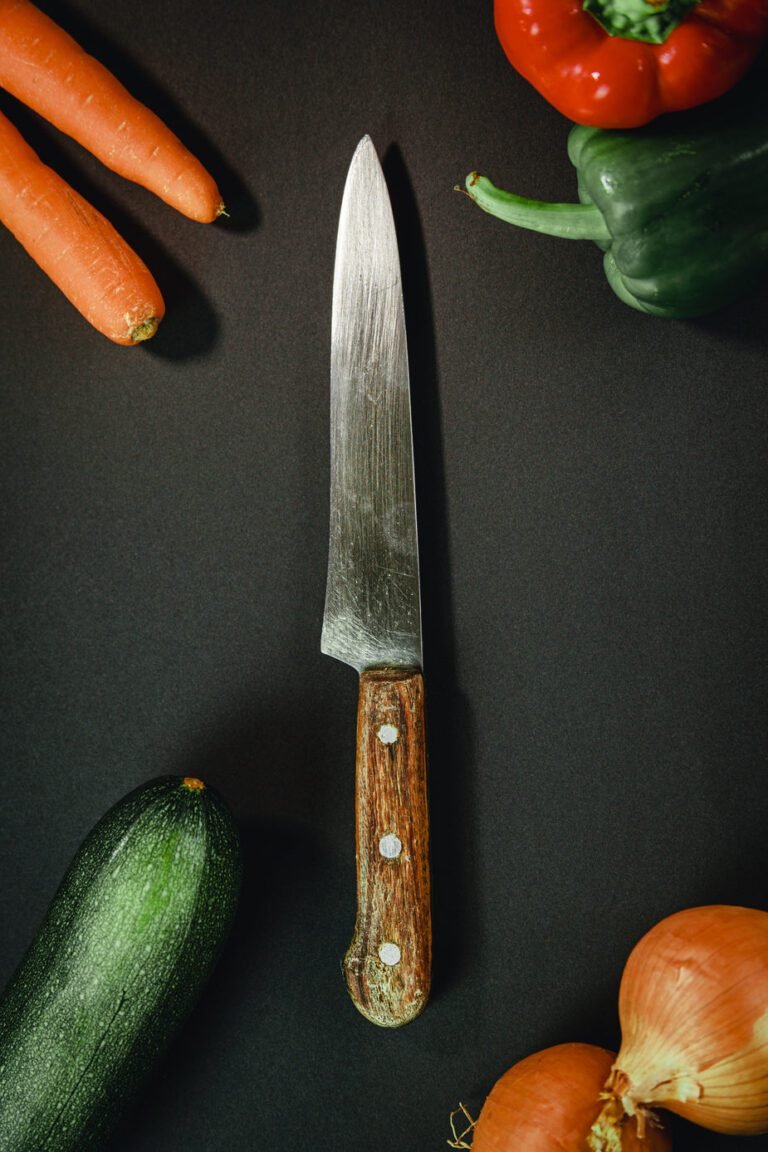
Traditional Western chef’s knife handles, especially on knives descended from German cutlery houses, were sized for an average adult male grip from decades ago. Many of those handles run oval or barrel-shaped with a circumference that can feel bulky in a smaller palm. When a handle is too thick relative to finger length, the hand has to open wider to wrap around it, which reduces grip strength and makes fine control – like guiding the tip through a shallot – noticeably harder. Slimmer, more slab-sided handles let the fingers curl further around the scales, which restores leverage and reduces fatigue during long cutting sessions.
The Bolster: Helpful Guard or Obstacle
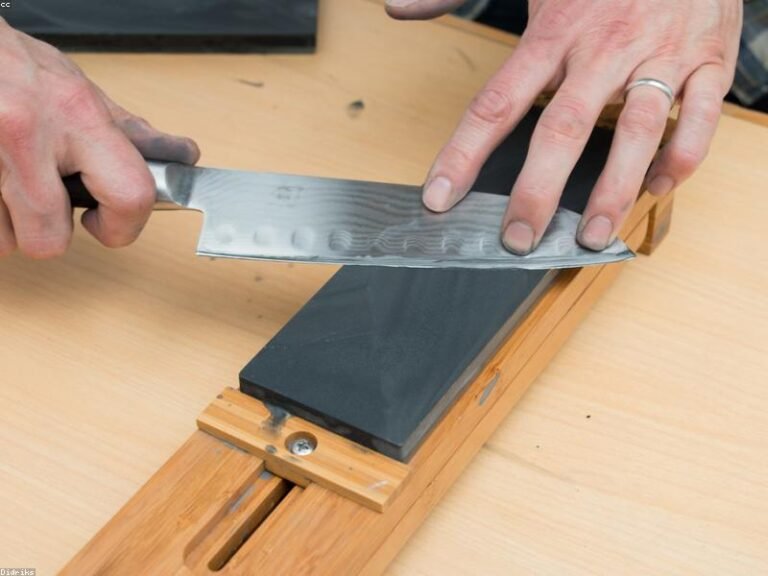
The bolster is the transition piece between blade and handle, traditionally there to add balance, protect the hand from slipping onto the edge, and give the knife a full-tang look. On many mainstream Western knives, that bolster flares out wide and comes to a fairly abrupt, thick shoulder. For a pinch grip – where the thumb and forefinger grip the blade itself just above the heel while the remaining fingers wrap the handle – a large, square bolster gets in the way. It stops the fingers from sliding forward far enough to choke up close to the edge, which is exactly where most control comes from.
Knives with a reduced, rounded, or partial bolster (or none at all, sometimes called “bolster-less” construction) let the hand ride farther forward. This is a big part of why many Japanese-style gyutos, which typically use little to no bolster and a lighter, octagonal or D-shaped handle, tend to feel more nimble in smaller hands even when the blade length is similar to a Western knife.
Pinch Grip Mechanics With a Smaller Hand
The pinch grip is the standard technique taught in culinary programs because it puts the pivot point of the cut directly under the thumb and forefinger rather than back at the handle. With a smaller hand, the margin for error is tighter: a bolster or handle shoulder that’s even a few millimeters too far back forces the pinch grip into an awkward compromise, either riding up onto the spine or dropping back onto the handle entirely, both of which reduce control.
What to Actually Feel For
Rather than relying on stated handle dimensions, the more reliable test is picking the knife up and executing a pinch grip dry-run in the store or checking a return policy if buying online. The fingers should close comfortably without the thumb and index finger straining to meet around the bolster, and there should be no hot spots where the handle’s shape presses into the palm during a rocking motion. A knife that disappears in the hand during that quick test is very likely to hold up through a full prep list, regardless of what the spec sheet says about steel or edge geometry.
Handle fit is not a substitute for blade quality, but for anyone who has ever put down a beautifully sharp knife because their hand ached, it’s just as important a factor – and one that’s entirely about geometry, not price.
This article may contain affiliate links. If you purchase a product through one of these links, Bladeowl may earn a commission at no extra cost to you. This never influences our editorial independence or which products we recommend.