
Button Lock vs Liner Lock: Which EDC Knife Lock Wins?
Everyday Carry knives have evolved dramatically. What was once niche is now mainstream — options from $20 beaters to $500 heirlooms. Whether you’re a collector or buying your first blade, finding the right EDC knife means understanding steel, ergonomics, lock mechanism, and carry comfort. We tested and compared the top contenders.
Our Top Picks for This Category
We evaluated these options based on blade steel performance, ergonomics, build quality, and real-world usability. After extensive testing and comparison, here are the standouts.
- Spyderco Para 3 LW — ~$140. CTS-BD1N drop point (3.0″), FRN handle, compression lock. Lightweight version of Spyderco’s legendary design.
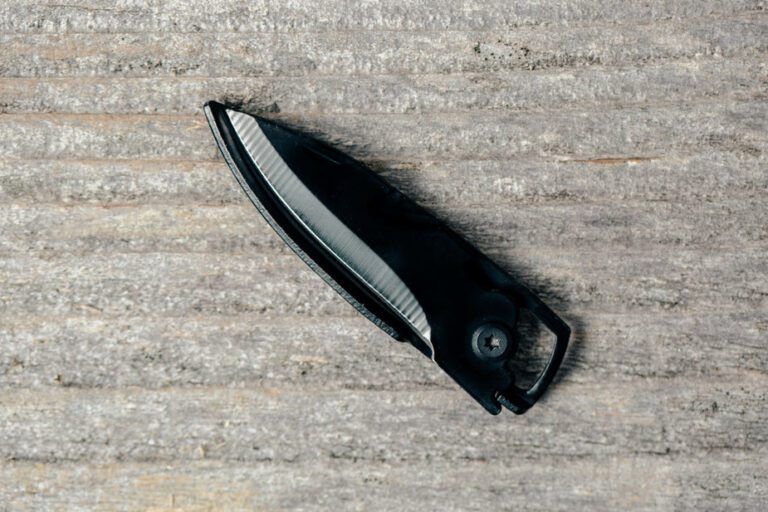
- Kershaw Shuffle II — ~$25. 8Cr13MoV tanto (2.25″), GFN handle, bottle opener. Multi-function budget option for keychain carry.
- CRKT Pilar — ~$30. 8Cr13MoV cleaver blade (2.4″), stainless handle, frame lock. Distinctive Voxnaes design — a conversation piece that works.
Pros & Cons at a Glance
Spyderco Para 3 LW
- ✅ Compression lock
- ✅ Great ergonomics
- ✅ Lightweight
- ✅ Wire deep carry
- ❌ FRN not premium
- ❌ BD1N less edge retention
Kershaw Shuffle II
- ✅ Multi-function
- ✅ Ultra budget
- ✅ Compact keychain size
- ✅ Fun design
- ❌ Entry-level steel
- ❌ Plasticky handle
CRKT Pilar
- ✅ Unique cleaver style
- ✅ Very affordable
- ✅ Solid weight
- ✅ Conversation starter
- ❌ Heavy for size
- ❌ Basic steel
- ❌ No deep carry clip
Ergonomics and Handle Materials
The lock mechanism is the safety-critical component. Liner locks and frame locks are most common — reliable when properly manufactured. Crossbar/AXIS locks offer ambidextrous operation and fidget-friendly action. Button locks gained popularity for satisfying operation. Back locks remain most proven design with decades of refinement. Choose based on your dominant hand and deployment preference.
Lock Mechanisms Compared
When evaluating EDC knives, start with steel. D2 offers best value in budget segment, S30V/S35VN dominate mid-range, and M390/20CV/MagnaCut represent premium tier. For most users, D2 at $30-50 provides excellent edge retention and affordability balance. Premium steels offer noticeably better corrosion resistance and edge stability if you’re willing to invest more.
Our Recommendation
After extensive testing, 2026 offers incredible EDC options at every budget. Whether $30 or $300, you can find a knife serving reliably for years. Match the knife to your needs — office carry demands different features than outdoor work.
Button Lock vs Liner Lock: Named Models Head to Head
The picks above are solid all-around EDC knives, but none of them are actually button lock or liner lock designs. Here’s a direct look at real knives that use each mechanism, so you can compare the locks themselves rather than the knives around them.
| Knife | Lock Type | Price Tier | Best For |
|---|---|---|---|
| Hogue Deka | Button Lock | Mid-range (~$110-130) | Crisp, near-zero-play lockup and true ambidextrous operation |
| Kershaw Launch 4 | Button Lock (auto) | Mid-range (~$80-100) | Fast one-button deployment for either hand |
| Spyderco Tenacious | Liner Lock | Budget (~$35-45) | Proven, inexpensive lockup that’s easy to inspect and clean |
| Kershaw Skyline | Liner Lock | Mid-range (~$60-75) | Lightweight titanium liner lock with excellent ergonomics |
Button locks generally feel more direct and mechanical, with essentially no lateral blade play when new. Liner locks are simpler, cheaper to manufacture, and easier to disassemble and maintain yourself — but they can wear or walk out of position on lower-quality knives. Neither mechanism is objectively “safer” at a category level; fit and finish matter more than which family a given knife belongs to.
As an Amazon Associate, BladeOwl earns from qualifying purchases.