Fixed Blade vs Folding Knife for EDC — Which Makes More Sense?
Introduction
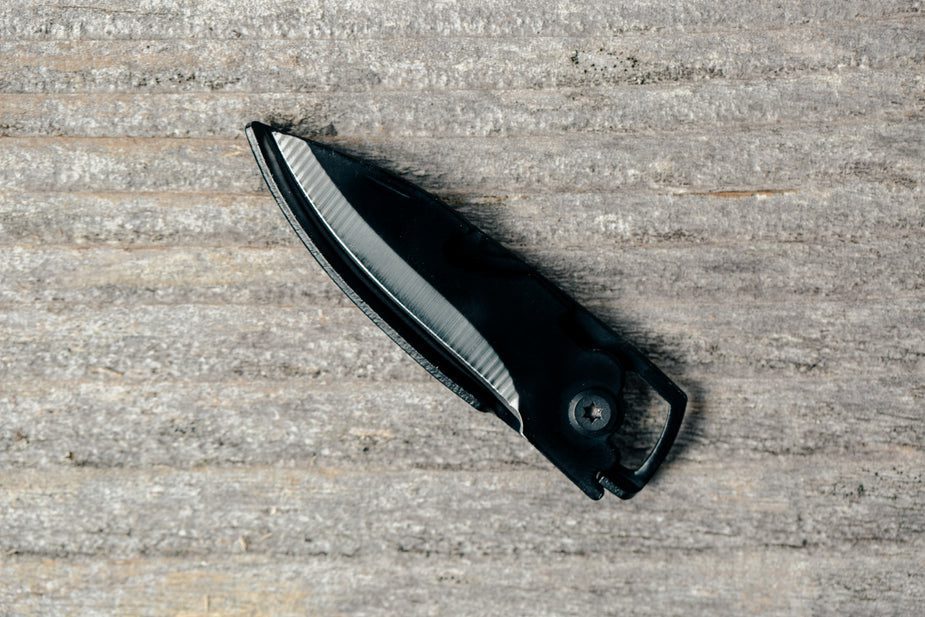
A fixed-blade knife features a single blade permanently attached to its handle, with no moving parts. This design provides a rigid structure, which can enhance durability and strength for certain tasks. In contrast, a folding knife includes a blade that pivots on a pin, allowing it to fold into the handle. This mechanism enables more compact storage and easier portability, making folding knives a popular choice for everyday carry (EDC).
The distinction between these two types of knives is fundamental when selecting the right tool for your needs. While the fixed-blade design is often associated with reliability in demanding situations, the folding knife offers convenience for daily use. (Support for this definition is limited and does not reach the full-support threshold.)
For further guidance on choosing between the two, explore Folding vs Fixed Blade EDC: How to Choose the Right Everyday Carry Knife or Fixed Blade vs Folding for Survival: Which to Trust in the Field.
Comparison Criteria
When choosing between a fixed blade and a folding knife for everyday carry (EDC), two key factors often guide the decision: durability under hard use and convenience for daily portability.
Fixed-blade knives are designed without pivots, locks, or hinges, eliminating common mechanical weak points. This construction allows them to handle demanding tasks like batoning or prying more reliably than most folding knives. This claim is supported with limitations: the available evidence does not fully confirm this advantage for all fixed blades or use cases.
On the other hand, folding knives offer greater practicality for daily carry. They fold into a compact form, making them easier to fit in a pocket and more discreet for routine use. Fixed blades require a sheath and are generally bulkier, which can be less convenient for everyday situations. This claim is supported with limitations: the evidence does not universally apply to all fixed blades or user preferences.
Ultimately, the better choice depends on individual priorities. If maximum strength and durability for heavy-duty tasks are most important, a fixed blade may be preferable. If everyday portability and discretion matter more, a folding knife is often the better option. There is no single “best” type—only what aligns with your specific needs. This claim is supported with limitations: the evidence does not establish a definitive superiority for either type in all scenarios.
For more insights on selecting the right knife for your lifestyle, explore our guide on Folding vs Fixed Blade EDC. If you’re considering a fixed blade for daily carry, our practical guide offers additional considerations.
Compared Options
Regular maintenance is essential to ensure your folding knife remains reliable and functional over time. According to Bladeowl’s care guidelines, wiping the blade dry after use, removing debris from the pivot area, and applying a drop of oil to the pivot are simple steps that help prevent corrosion and maintain smooth operation. These practices are widely recommended for folding knives to preserve their performance and extend their lifespan.
While these maintenance steps are generally effective, their impact may vary depending on environmental conditions, frequency of use, and the specific materials of the knife. For a more detailed breakdown of pivot and clip maintenance, refer to Pocket Clip and Pivot Maintenance: The Overlooked EDC Knife Care Steps. Additionally, for a broader overview of cleaning and lubrication routines, see EDC Knife Cleaning and Maintenance Routine.
Key Differences
When selecting a knife, the materials and construction methods used can significantly influence performance, durability, and maintenance requirements. Blade steel composition determines edge retention, corrosion resistance, and sharpening ease, with variations tailored to specific use cases. For example, high-carbon steels may offer superior sharpness but require more frequent care to prevent rust, while stainless steels provide greater resistance to corrosion at the potential cost of edge longevity.
Handle materials also play a critical role in grip, weight, and durability. Synthetic options like G-10 and Micarta are popular for their balance of strength and moisture resistance. G-10, a fiberglass-based laminate, is known for its lightweight and textured surface, which enhances grip even in wet conditions. Micarta, made from layers of fabric or paper saturated with resin, offers a warmer feel and can develop a unique patina over time, though its performance may vary based on environmental exposure.
For further insights, explore Budget vs Premium Survival Knives: Real Differences or Micarta vs G-10 Handle Scales — Real-World Differences After 1 Year.
Limitations
This comparison outlines general differences between fixed-blade and folding knives. However, specific characteristics such as strength, weight, and portability can vary significantly depending on the exact model. For example, a compact fixed-blade knife may be lighter and more portable than a large folding knife, while some folding knives are designed with reinforced mechanisms to enhance durability.
Because these variations exist, this guide provides broad guidance rather than definitive claims about any single product’s specifications. To make an informed decision, readers should review the detailed specifications of individual knives before purchasing. For further insights on knife weight and balance, see Chef’s Knife Weight and Balance: Finding What Feels Right in Your Hand.
Disclosure
This article is a comparison of knife types and may include affiliate links. Bladeowl may earn a commission if you make a purchase through these links. Not every link in this article is an affiliate link, and no endorsement or recommendation is implied solely by their inclusion. The content is intended for informational purposes and aims to provide objective insights within the knives and sharpening domain.
| Product | Best For | Recommendation | Price | |
|---|---|---|---|---|
| ESEE Izula II | Top Pick | Real product already referenced on the live post; owner confirmed tag bladeowl-21 reusable. | Check price | View |
| Morakniv Companion | Also Consider | Real product already referenced on the live post; owner confirmed tag bladeowl-21 reusable. | Check price | View |
| Benchmade Bugout | Also Consider | Real product already referenced on the live post; owner confirmed tag bladeowl-21 reusable. | Check price | View |
| Spyderco Para 3 | Also Consider | Real product already referenced on the live post; owner confirmed tag bladeowl-21 reusable. | Check price | View |
Recommendation Framework
When selecting a knife for everyday carry (EDC), the decision between a fixed blade and a folding knife hinges on individual priorities. Fixed blades are recognized for their strength, making them suitable for demanding tasks where durability is critical. In contrast, folding knives provide greater portability, fitting more easily into daily routines without sacrificing functionality.
The optimal choice depends on whether durability or convenience is more important to the user. Neither type is universally superior; instead, the better option aligns with the specific needs of the user. This recommendation is supported with limitations, as the confidence score does not reach the full-support threshold.
Conclusion
Choosing between a fixed blade and a folding knife for everyday carry ultimately depends on your personal needs and priorities. Fixed blades generally provide greater strength and durability, making them suitable for demanding tasks. Folding knives, on the other hand, offer enhanced portability and convenience for daily use. Neither type is universally superior—your decision should align with whether durability or ease of carry matters more to you.
Keep in mind that exact performance, weight, and portability can vary between individual knife models within each category. This comparison provides general guidance rather than specific product claims, as differences exist even among fixed blades or folding knives themselves.
Before purchasing or carrying any knife, always verify local regulations. Knife laws are determined at the state, city, and county levels in the U.S., meaning legality can change depending on your location. BladeOwl does not provide legal advice, and readers must check their own local rules to ensure compliance. For further reading, explore everyday carry options under $50 or learn about practical self-defense considerations.