Survival Knife Steel Types: Carbon vs Stainless for Wilderness Use
Steel choice is one of the few genuine engineering tradeoffs left in an otherwise crowded knife market, and nowhere does it matter more than survival use. Away from a workbench, in wet or humid conditions, with no replacement tool available, the difference between carbon and stainless steel stops being a spec-sheet detail and becomes a real factor in whether your knife still works the way you need it to on day five of a trip.
Carbon Steel: Easy to Sharpen, Needs Attention
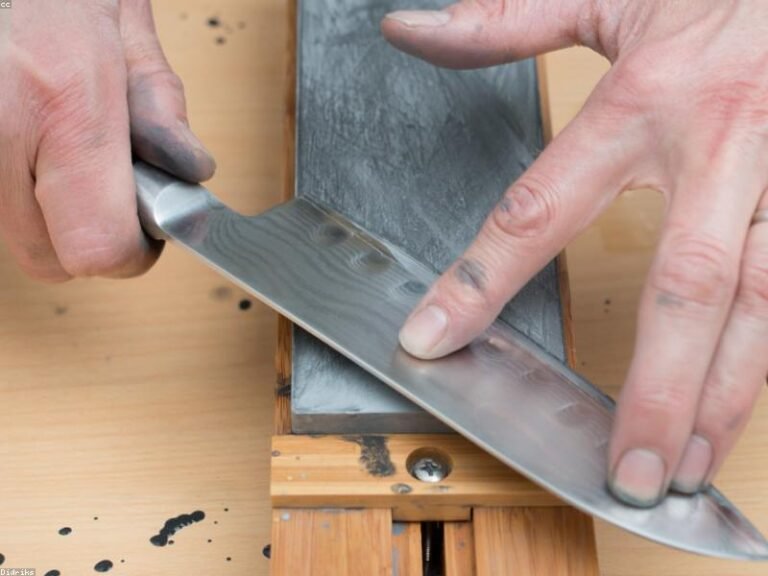
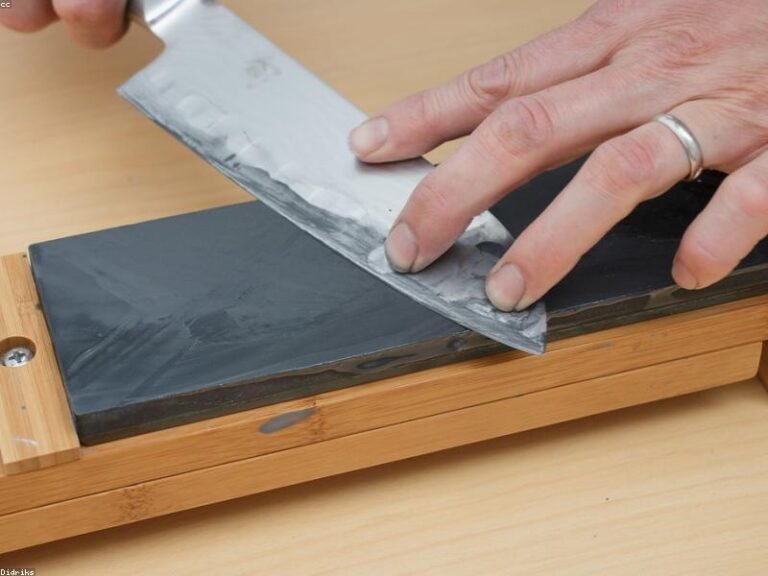
High-carbon steels — alloys like 1095, O1, or 5160 — have long been favored by bushcraft and survival knifemakers for one major reason: they’re genuinely easy to sharpen in the field. Their simpler metallurgy takes an edge quickly on a basic stone, and that edge tends to be easy to maintain with minimal gear, which matters enormously when you don’t have access to a full sharpening kit.
The cost of that convenience is corrosion resistance. Carbon steel rusts far more readily than stainless, especially in humid environments, near saltwater, or when exposed to blood and organic acids during food processing. Many carbon-steel survival knives develop a protective patina over time, which actually helps reduce active rusting once established — but that patina has to be earned through use and doesn’t replace basic maintenance like drying and lightly oiling the blade after wet use.
Stainless Steel: Lower Maintenance, Tougher to Restore
Stainless steels — common choices include 440C, VG-10, and various CPM powder steels — trade some of that field-sharpening ease for dramatically better corrosion resistance. Chromium content in the alloy forms a passive layer that resists rust, which is a real advantage in coastal environments, tropical humidity, or any situation where you can’t dry and oil your blade every night.
The tradeoff shows up when the edge dulls. Higher-alloy stainless steels, particularly premium powder-metallurgy grades prized for edge retention, generally require more time and often finer abrasives to restore a working edge than simpler carbon steels do. That’s a fine tradeoff at home with a full sharpening station, but it can be a real disadvantage if you’re relying on a pocket stone or improvised abrasive in the field.
Carbon vs Stainless Survival Knives Compared
Here’s how that tradeoff plays out in real, well-known survival knives:
- ESEE 6 (1095 carbon steel) — A full-tang hard-use blade with ESEE’s no-questions-asked warranty; easy to field-sharpen but needs regular oiling to avoid rust.
- Ka-Bar Becker BK2 (1095 carbon steel) — A thick, compact chopper-style survival knife known for toughness; classic carbon-steel maintenance habits apply.
- Morakniv Companion (stainless) — An affordable, corrosion-resistant Scandi-grind blade that’s forgiving for beginners and low-maintenance in wet climates.
- Benchmade Bushcrafter 162 (S30V stainless) — A premium fixed blade that trades some field-sharpening ease for excellent rust resistance and a refined heat treat.
Which Matters More in a Survival Context
The honest answer depends on the environment and the length of time you’ll be without proper tool maintenance. For short trips where you can maintain your gear nightly, stainless’s corrosion resistance is a convenience more than a necessity. For extended wilderness use, wet climates, or scenarios where a knife might be neglected for days, carbon steel’s field-sharpenability can outweigh the rust risk, provided you’re disciplined about drying and oiling the blade when possible.
Neither category is objectively “better” for survival use — they simply demand different habits. Carbon steel rewards a user who sharpens often and dries the blade diligently; stainless rewards a user who wants to worry less about corrosion but is willing to spend more time or use finer stones when the edge finally does need restoring.
This article may contain affiliate links. If you purchase a product through one of these links, Bladeowl may earn a commission at no extra cost to you. This never influences our editorial independence or which products we recommend.