Ounce-Counting: How Backpackers Should Weigh Knife Choices
Ultralight backpackers obsess over grams the way other hikers obsess over mileage. A titanium spork instead of steel, a quilt instead of a bag, a frameless pack instead of one with an internal stay. The knife on your belt or in your pack deserves the same scrutiny, because for most trail tasks, a heavy knife is dead weight you’re carrying out of habit rather than necessity.
What a Knife Actually Does on Trail
Be honest about the job list: opening food packaging, cutting cordage, slicing cheese or a summer sausage, trimming moleskin, maybe shaving tinder for a stove flame. None of that requires a heavy blade, a long blade, or a thick spine built for batoning firewood. Batoning and heavy wood processing are bushcraft tasks, not thru-hiking tasks, and most long-distance hikers use canister stoves or alcohol stoves that need no fuel processing at all. If your actual trail use case is food prep and cordage, a 2 to 3 ounce knife handles it as well as one that weighs four times as much.
The Ounce-Counting Math
Ultralight philosophy treats base weight as a budget, every item has to earn its place against alternatives. A full-size fixed blade bushcraft knife might run 6 to 9 ounces with a sheath. A small folding knife or fixed blade neck knife can weigh well under 2 ounces. Multiply that 4 to 7 ounce difference across a multi-day trip and it’s a meaningful chunk of a pack weight budget, comparable to swapping a heavier sleeping pad or carrying an extra day of food. The question isn’t whether the heavier knife is more capable in the abstract, it’s whether that extra capability is ever actually used on your specific trips.
Dedicated Knife vs Multi-Tool
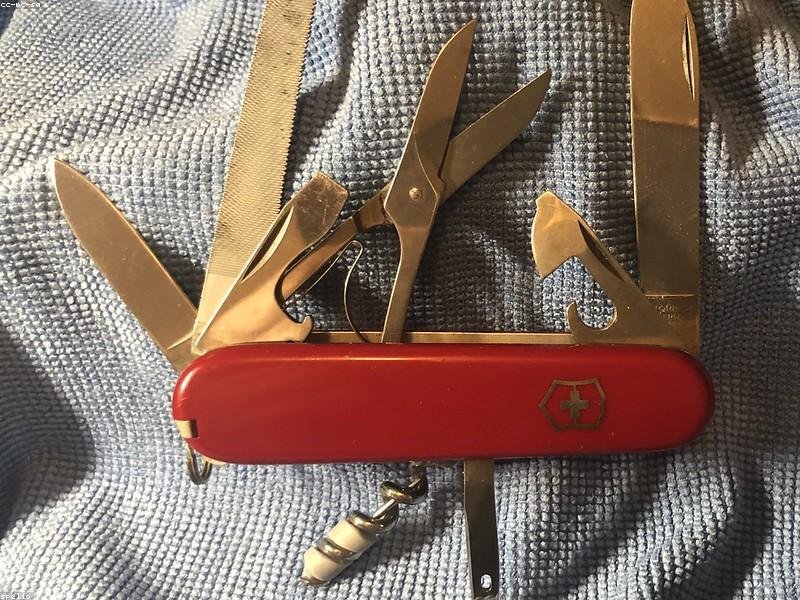
A lot of ultralight hikers replace a dedicated knife entirely with the blade on a small multi-tool, since they’re already carrying pliers or a repair kit for gear failures. This works well if your cutting needs are light and infrequent, you get one tool instead of two. It works less well if you actually use a knife often throughout the day, since multi-tool blades tend to be short, sometimes lack a locking mechanism, and are less comfortable to grip for repeated cutting. The honest way to decide is to track how many times you reach for a knife on a typical trip. If it’s mostly opening a food bag once or twice a day, a multi-tool blade is plenty. If you’re processing food, cutting webbing, or doing camp chores regularly, a small dedicated fixed blade or slipjoint will serve better without much weight penalty.
Where It’s Worth Adding Weight Back
Ounce-counting shouldn’t mean choosing a knife so small it fails at safety-relevant tasks. Trips into more remote terrain, colder shoulder-season conditions, or areas where an emergency shelter or fire might genuinely be needed justify carrying a slightly more capable blade, even at a small weight cost. The ultralight mindset isn’t about owning the lightest possible gear regardless of consequence, it’s about matching gear weight to the actual demands of the trip. A knife is one of the easier places to apply that discipline, because for the vast majority of backpacking days, more blade than you need is just extra ounces riding along for no reason.
This article may contain affiliate links. If you purchase a product through one of these links, Bladeowl may earn a commission at no extra cost to you. This never influences our editorial independence or which products we recommend.