The Essential Kitchen Knives Every Home Cook Needs in 2026
A well-equipped kitchen starts with the right knives. You do not need a massive block set with twenty different blades — most of those will sit unused. Instead, focus on a few essential knives that handle virtually every cutting task in the kitchen. This guide covers the must-have kitchen knives, what each one does, and how to build a collection that will serve you for years.
The Three Essential Kitchen Knives
If you could only own three knives, these are the ones that cover 95 percent of kitchen cutting tasks.
1. Chef’s Knife (8-inch)
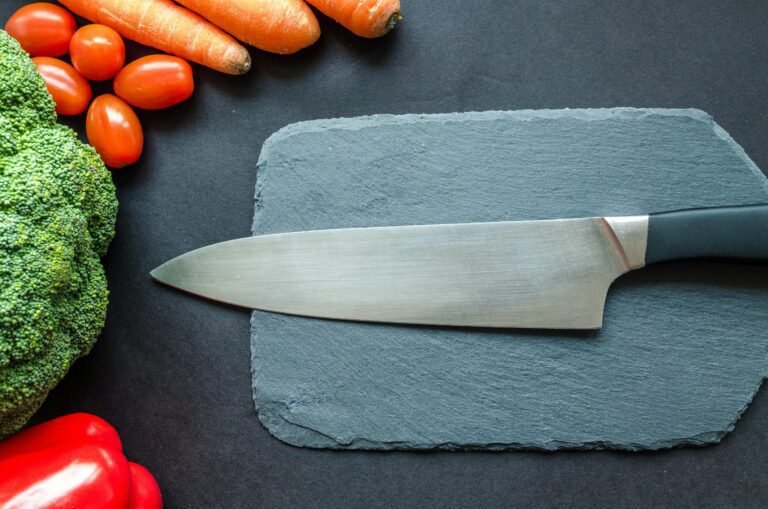
The chef’s knife is the workhorse of the kitchen. Its curved belly allows a rocking motion for chopping herbs, dicing onions, and mincing garlic. The broad blade can crush garlic cloves under its flat side and transfer ingredients from cutting board to pan. An 8-inch blade is the standard recommendation for home cooks — long enough to handle large vegetables and proteins, but not so long that it feels unwieldy.
When choosing a chef’s knife, the biggest decision is between Western-style (heavier, curved belly for rocking) and Japanese-style (lighter, flatter profile for push-cutting and chopping). Both are excellent — the choice comes down to your cutting style.
A quality 8-inch chef’s knife will be your most-used kitchen tool. Invest accordingly.
Recommended chef’s knives: Chef’s Knives on Amazon
2. Paring Knife (3 to 4-inch)
The paring knife handles small, detailed tasks that a large chef’s knife cannot manage effectively: peeling fruits and vegetables, deveining shrimp, trimming fat, hulling strawberries, and making decorative cuts. A blade between 3 and 4 inches provides excellent control for in-hand work.
Look for a paring knife with a comfortable handle that fits your hand well, as you will often hold it with the blade facing upward for peeling tasks. The blade shape can be straight, spear-point, or sheep’s foot — a standard straight or slightly curved blade is most versatile.
A paring knife is small enough and affordable enough that owning two — one serrated and one straight-edged — is reasonable for most home cooks.
Recommended paring knives: Paring Knives on Amazon
3. Bread Knife (9 to 10-inch)
A bread knife with a serrated edge is essential for slicing through crusty bread without crushing the soft interior, but its utility extends far beyond bread. A serrated knife excels at slicing tomatoes with delicate skins, cutting layered cakes, slicing pineapples and melons with tough rinds, and portioning sandwiches without squishing the filling.
The offset design — where the handle sits higher than the blade — is particularly useful for bread, as it keeps your knuckles from hitting the cutting board when slicing through a large loaf.
Look for a bread knife with widely spaced serrations that are less likely to tear delicate crumb structure. The blade should be long enough to handle large artisan loaves — 9 to 10 inches is ideal.
Recommended bread knives: Bread Knives on Amazon
The Next Tier: Knives Worth Adding
Once you have the core three, these knives expand your capabilities significantly.
Santoku
The santoku is a Japanese-style all-purpose knife, typically 5 to 7 inches long, with a flat edge profile and a sheep’s foot tip. The name means three virtues, referring to its ability to handle slicing, dicing, and mincing. Many santoku knives feature a granton edge — oval dimples along the blade that reduce friction and prevent food from sticking.
A santoku can serve as your primary knife if you prefer a shorter, lighter blade, or complement an 8-inch chef’s knife as a mid-size option. Some cooks use a chef’s knife for meat and a santoku for vegetables.
Shop santoku knives: Santoku Knives
Utility Knife (5 to 6-inch)
A utility knife bridges the gap between a chef’s knife and a paring knife. It handles tasks that are too large for a paring knife but awkward for an 8-inch chef’s knife — slicing small fruits, trimming medium cuts of meat, cutting sandwiches, and portioning cheese.
Think of it as a mini chef’s knife or an oversized paring knife. If you frequently find yourself reaching for a knife size between your two primary blades, a utility knife fills that gap perfectly.
Boning Knife
If you break down whole chickens, trim large cuts of meat, or fillet fish, a boning knife is invaluable. Its thin, flexible blade follows the contours of bones and removes silver skin with precision. Boning knives come in stiff and flexible versions — stiff for beef and pork, flexible for poultry and fish.
A 5 to 6-inch curved boning knife is the most versatile option for home cooks. The upward curve of the blade provides leverage when separating joints and allows precise tip work.
Nakiri
The nakiri is a Japanese vegetable knife with a straight, rectangular blade designed specifically for chopping vegetables. The flat edge profile makes full contact with the cutting board, ensuring clean cuts through all the way to the bottom — no accordion-cut vegetables. The tall blade provides knuckle clearance and is excellent for scooping up chopped ingredients.
If you do extensive vegetable preparation, a nakiri is a joy to use and significantly faster than a chef’s knife for push-cutting and chopping.
Knives You Probably Do Not Need
Full Knife Block Sets
Those 15-piece knife block sets look impressive on the counter, but most contain knives you will never use. You pay for quantity, not quality, and the included steak knives, honing steel, and shears are often the cheapest versions possible. Buy individual knives and build your set intentionally — you will get better quality for the same money.
Cleaver
Unless you regularly break down whole primal cuts of meat with bones, a full-size cleaver is unnecessary. For most home cooks, a heavy chef’s knife handles the occasional chicken bone or squash splitting.
Specialized Cheese Knives
Dedicated cheese knives with holes or forked tips are single-purpose tools. A paring knife or utility knife handles cheese just as well without cluttering your drawer.
Knife Materials and Construction
Forged vs. Stamped
Forged knives are made from a single piece of steel that is heated and pounded into shape, then ground and sharpened. They typically feature a full bolster (the thick junction between blade and handle) and a full tang for balance. Forged knives are generally heavier and more expensive.
Stamped knives are cut from a sheet of steel like a cookie cutter, then ground, heat-treated, and sharpened. Modern stamped knives can be excellent — lighter weight, thinner blades that cut with less wedging, and often more affordable. Global and Victorinox make exceptional stamped knives.
Neither method is inherently superior. Focus on the quality of the steel, heat treatment, and grind geometry rather than the manufacturing method.
Handle Materials
– Wood: Traditional, attractive, and warm in the hand. Requires occasional oiling. Avoid dishwashers entirely.
– Pakkawood (Dymondwood): Resin-impregnated wood laminate that looks like wood but is waterproof and dishwasher-safe. Common on mid-range Japanese knives.
– Micarta and G-10: Extremely durable composite materials with excellent grip even when wet. Common on high-end Western and outdoor-oriented kitchen knives.
– POM (Polyoxymethylene): A durable synthetic used by brands like Global. Lightweight, hygienic, and dishwasher-safe.
– Stainless Steel: Full metal handles like those on Global knives are hygienic and indestructible but can be slippery when wet or greasy.
Building Your Collection
Start with a quality 8-inch chef’s knife and a paring knife. Add a bread knife if you bake or buy artisan bread. From there, expand based on what you actually cook — a boning knife if you process meat, a nakiri if you do extensive vegetable prep, or a santoku if you prefer a lighter all-purpose blade.
Quality matters more than quantity. One excellent chef’s knife will outperform a drawer full of mediocre knives every time. Budget at least $50-100 for a good chef’s knife, $20-40 for a paring knife, and $25-50 for a bread knife.
Shop the essentials: Kitchen Knife Essentials
Care and Maintenance
Even the best knives require care to maintain their performance:
– Hand wash only. Dishwashers destroy knife edges through contact with other items and the harsh detergent chemistry.
– Dry immediately. Water spots can cause spotting even on stainless steel.
– Store properly. Use a magnetic strip, knife block, or blade guards. Never toss knives loose in a drawer.
– Hone regularly. A honing rod realigns the edge between sharpenings. Use it before each major cooking session.
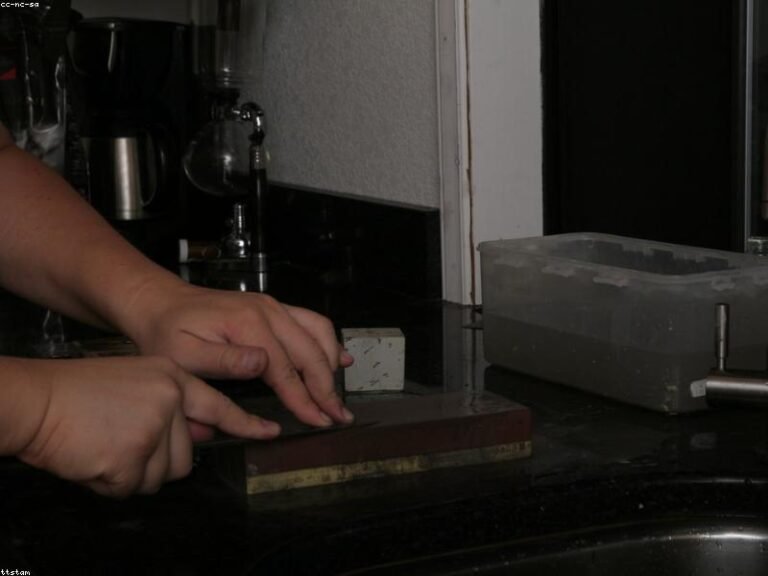
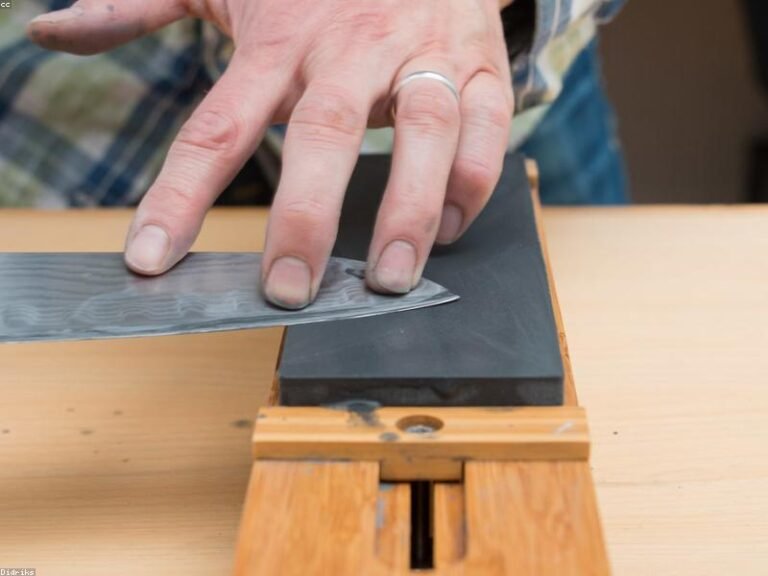
– Sharpen professionally or learn to do it yourself. A dull knife is dangerous — it requires more force and is more likely to slip. Professional sharpening once or twice a year keeps knives performing at their best.
Invest in proper storage: Kitchen Knife Storage Solutions
This article may contain affiliate links. If you purchase a product through one of these links, Bladeowl may earn a commission at no extra cost to you. This never influences our editorial independence or which products we recommend.