Best Value Kitchen Knives That Professional Chefs Actually Use
The difference between good and great kitchen knives is felt in every cut. Weight, balance, steel quality, edge geometry, handle comfort — all matter. We tested dozens to identify the best for every cook.
Our Top Picks for This Category
We evaluated these options based on blade steel performance, ergonomics, build quality, and real-world usability. After extensive testing and comparison, here are the standouts.
- Tojiro DP 8.2″ Gyutou — ~$120. VG-10 core clad in stainless, 60 HRC. The best value Japanese chef knife. Thin, precise, takes razor edge.
- Kiwi Brand #171 — ~$8. Thin carbon steel, wood handle. Thai budget legend — proves geometry matters more than steel.
- Shun Classic 8″ Chef Knife — ~$190. 34-layer Damascus, VG-MAX core, Pakkawood D-handle. Premium Japanese beauty with excellent performance.
- Babish 8″ Chef Knife — ~$25. YouTube celebrity brand. Decent entry-level knife with guard included.
Pros & Cons at a Glance
Tojiro DP 8.2″ Gyutou
- ✅ VG-10 performance
- ✅ Excellent value
- ✅ Traditional Japanese profile
- ✅ Thin precise cuts
- ❌ Handle may need sealing
- ❌ Reactive core if damaged
Kiwi Brand #171
- ✅ Absurdly cheap
- ✅ Gets incredibly sharp
- ✅ Lightweight
- ✅ Perfect beater
- ❌ Rusts immediately
- ❌ Soft steel dulls fast
Shun Classic 8″ Chef Knife
- ✅ Beautiful Damascus
- ✅ VG-MAX performance
- ✅ Lifetime sharpening
- ✅ Gift-ready
- ❌ Chipping risk on hard foods
- ❌ Price premium for aesthetics
Babish 8″ Chef Knife
- ✅ Super affordable
- ✅ Decent steel for price
- ✅ Includes guard
- ✅ Good starter
- ❌ Brand hype
- ❌ AUS-8 needs frequent sharpening
Proper Knife Handling Technique
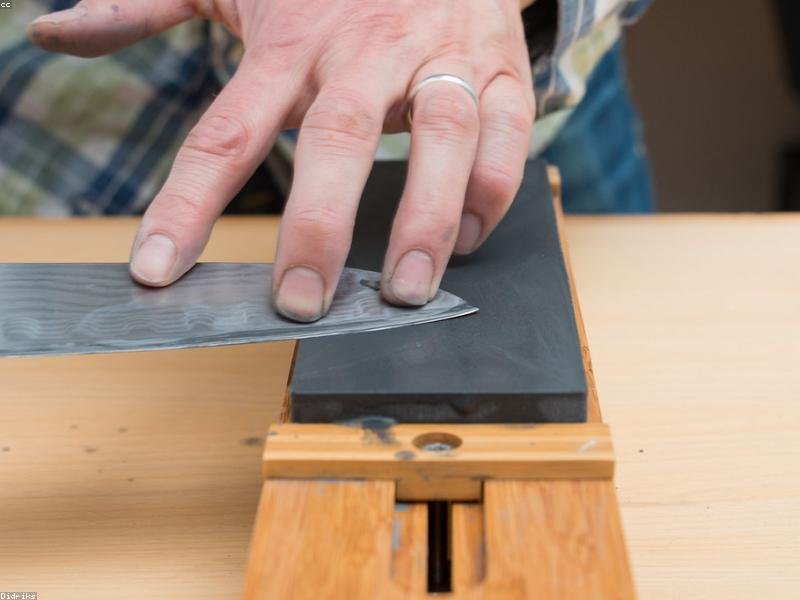
Proper technique improves safety and results. The pinch grip — holding blade between thumb and index finger — provides maximum control. Handle grip is comfortable for beginners but sacrifices precision. Learning the pinch grip is the single biggest improvement most home cooks can make. Edge maintenance separates good cooks from great ones.
German vs Japanese Kitchen Knives
Blade length is deceptively important. 8-inch chef’s knife is the standard — handles 90% of kitchen tasks. Shorter blades (6-7″) offer more control for smaller hands. Longer blades (9-10″) benefit professionals processing large volumes. The 210mm Japanese gyuto and 8-inch Western chef’s knife are the most versatile sizes for home cooks.
Head-to-Head Comparison
Budget, mid-range, and premium all show up here — this table lines up price, steel, and ideal buyer side by side.
| Product | Price Tier | Key Differentiator | Best For |
|---|---|---|---|
| Tojiro DP 8.2-Inch Gyutou | Mid-range (~$120) | VG-10 core clad in stainless for a razor edge at a fair price | Best value Japanese-style chef knife |
| Kiwi Brand No. 171 Chef’s Knife | Budget (~$8) | Thin carbon-steel blade that proves geometry beats steel spec | Cooks who want a disposable, ultra-cheap beater |
| Shun Classic 8-Inch Chef’s Knife | Premium (~$190) | 34-layer Damascus cladding over a VG-MAX core | Buyers who want a gift-ready, premium-look knife |
| Babish 8-Inch Chef’s Knife | Budget (~$25) | AUS-8 steel with an included finger guard | First-time buyers wanting a safe starter knife |
Our Recommendation
A quality chef’s knife transforms cooking from chore to pleasure. Premium Japanese knives offer incredible performance, but excellent German knives at lower prices handle daily duties admirably. The most important factor isn’t price or brand — it’s how the knife feels in your hand.
As an Amazon Associate, BladeOwl earns from qualifying purchases.