When to Upgrade Your Knife – 7 Signs You’ve Outgrown Your Current Blade
You might still love your first knife — but love doesn’t make it the right knife for who you are now. Every knife owner hits this wall eventually. The blade that felt perfect on day one has started to feel… limited. Not broken. Not bad. Just not enough anymore. Here are the seven signs it’s time to stop making excuses and start carrying a knife that matches your skills, your standards, and your life.
When to Upgrade Your Knife — 7 Signs You’ve Outgrown Your Current Blade
Knives don’t expire. A well-maintained Opinel from 1985 still cuts. So “upgrade” isn’t about your current knife failing — it’s about your current knife no longer matching your expectations. The subtle tragedy of knife ownership is that your standards improve faster than your tools wear out. You don’t notice it happening. Then one day you pick up a friend’s knife, feel the action, notice the steel, and realize: oh. I’ve been settling.
This guide isn’t about convincing you to spend money. It’s about recognizing when you’ve genuinely outgrown your current carry — and what to do about it.
Sign #1: You’re Sharpening Every Week (And It’s Not a Hobby)
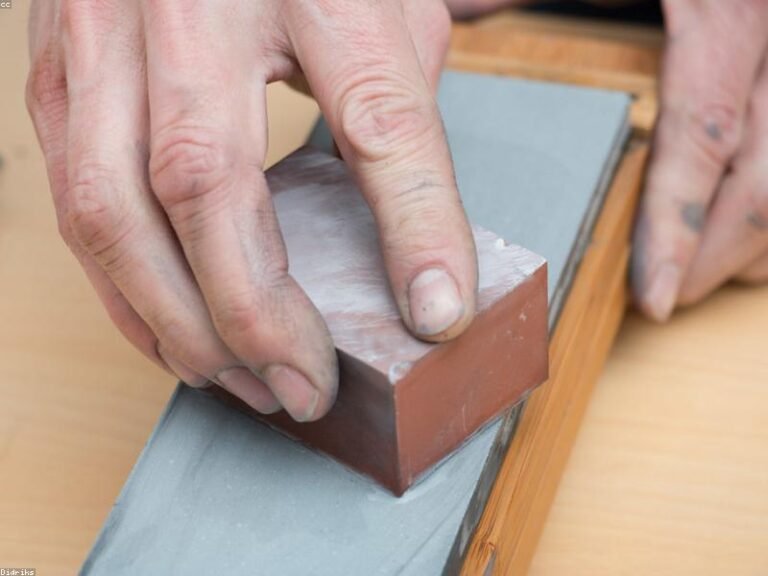
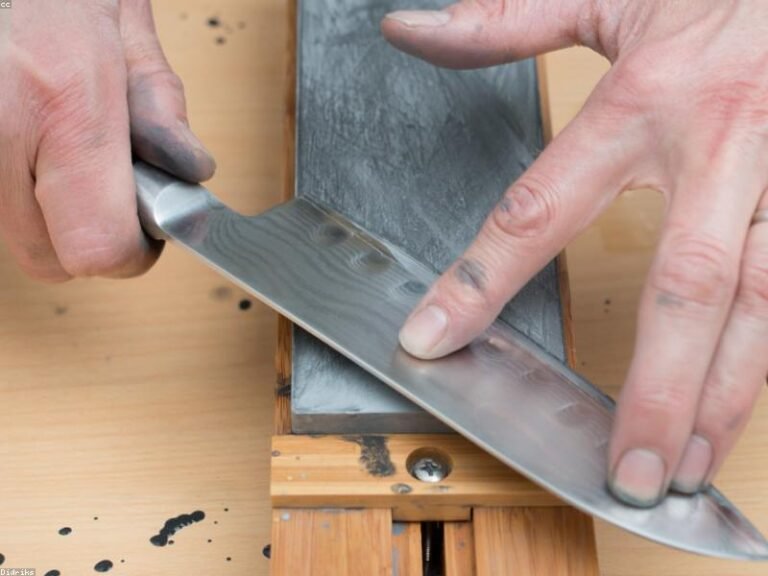
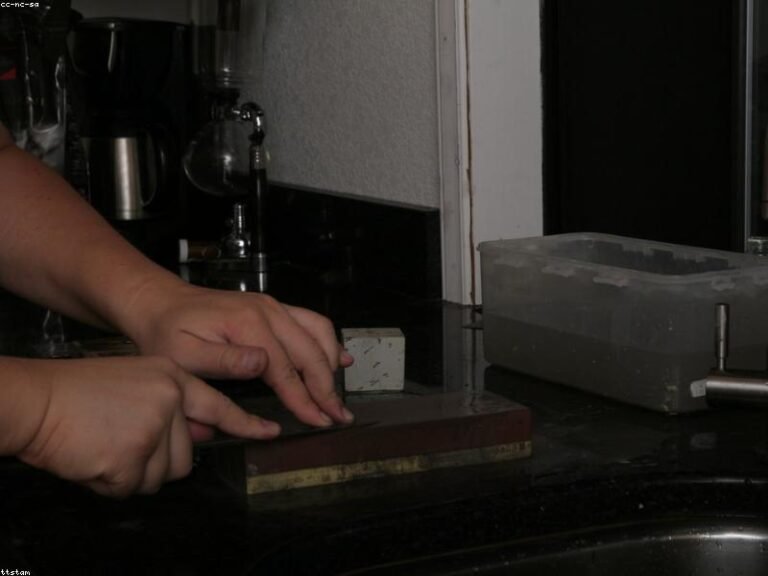
Budget steels like 8Cr13MoV and AUS-8 are perfectly functional — but they require frequent maintenance. If you’re sharpening your EDC knife more than once every two weeks (and you’re not cutting abrasive materials like carpet or cardboard for hours daily), your steel is working harder than it needs to.
The upgrade: Move to 14C28N, D2, or Nitro-V at minimum. These steels should hold a working edge for 3-4 weeks under normal daily carry use. The Civivi Elementum in D2 (ASIN: B081SNS92V, $50-65) or the Kershaw Leek in 14C28N (ASIN: B0009VC9Q0, $70-85) will cut your sharpening frequency by half or more.
If you’re ready for even longer edge retention, S35VN or S45VN (the Spyderco Paramilitary 2, ASIN: B001DZRB9U, $180-240) will hold an edge for months under the same use. The difference isn’t subtle: you’ll go from “this needs a touch-up” to “wait, when did I last sharpen this?”
Sign #2: The Action Makes You Frown (Just a Little)
You flick open your knife and it doesn’t lock — you have to wrist-flick. Or the pivot is so tight that two-handed closing is the norm. Or you’ve handled a friend’s bearing-smooth flipper and felt a pang of dissatisfaction when you went back to yours.
Action isn’t a gimmick. A knife that deploys reliably and closes smoothly is safer (fewer fumbles, fewer accidental closures) and more pleasant to use. If opening your knife has become a chore rather than a small satisfaction, that’s not you being picky — that’s you recognizing friction that doesn’t have to exist.
The upgrade: Ceramic ball bearings are the current gold standard for smooth action at any price. The Civivi Elementum (ASIN: B081SNS92V) delivers bearing-smooth deployment at $50-65. At the higher end, the Zero Tolerance 0450CF (ASIN: B00SQ1EG4O) at $200-240 uses KVT ball bearings that make deployment feel like a magic trick.
But don’t dismiss washers: a well-tuned phosphor bronze washer system (like the one in the Spyderco PM2, ASIN: B001DZRB9U) is arguably more reliable long-term and just as smooth when broken in.
Sign #3: You’ve Started Carrying Two Knives
One for rough work, one for fine cutting. One that won’t scare the office, one for the weekend. This is the clearest signal in knife ownership: your single knife no longer covers your actual life. You’ve outgrown the “one knife to rule them all” phase and entered the “I need tools that match my contexts” phase.
This isn’t a problem to solve — it’s a realization to embrace. But it does mean your primary EDC should specialize. If you’re carrying a beater for warehouse work and a gentleman’s knife for meetings, your main knife should be the one that covers the most hours of your week — not a compromise between both worlds.
The upgrade: Pick the context that represents 80% of your knife use and optimize for it. Office-heavy? The Kershaw Leek (ASIN: B0009VC9Q0) at $70-85 disappears in slacks. Outdoors-heavy? The Benchmade 940 Osborne (ASIN: B000BSJANE) at $220-250 is a 3.4-inch blade that weighs next to nothing and handles field tasks with ease. Mixed urban life? The Spyderco PM2 (ASIN: B001DZRB9U) at $180-240 is the most versatile premium folder ever made.
Sign #4: You Know Steel Types by Name (And Have Opinions About Them)
You can explain the difference between D2 and 14C28N. You know that S30V chips more easily than S35VN. You’ve watched a YouTube video about MagnaCut and understood most of it. Congratulations — you’re now a knife person, and your knife should reflect that knowledge.
When you know enough to identify what your current knife lacks, carrying it anyway is a form of self-denial. You’re not being frugal — you’re ignoring expertise you’ve already developed.
The upgrade: If you know steel, buy the steel you actually want. If edge retention is your priority, M390 or 20CV in a premium folder. If sharpenability matters more, 14C28N or AEB-L. If corrosion resistance is critical (saltwater fishing, sweaty summer carry), LC200N or MagnaCut. The knife that matches your knowledge is out there — and it will make you happier every time you use it.
Sign #5: The Handle Hurts After Extended Use
Hot spots — pressure points where the handle digs into your hand — aren’t something you “get used to.” They’re a design mismatch between the knife’s ergonomics and your hand geometry. If after 20 minutes of cutting cardboard or whittling you’ve got a red mark or a sore spot at the base of your index finger or in the palm, the knife doesn’t fit you. Period.
This is particularly common with slim, minimalist designs — beautiful to look at, punishing to use for extended periods. The Kershaw Leek, for all its brilliance, has a handle that some users find slippery or too narrow for heavy cutting. The Benchmade Bugout’s thin profile trades comfort for weight savings.
The upgrade: Look for contoured handles with palm swells. The Spyderco PM2 (ASIN: B001DZRB9U) has a handle shape that ergonomics textbooks should study — it fits almost every hand beautifully. The Ontario RAT 1 (ASIN: B002GOPCHK) at $30-40 has a rounded handle that disappears in the hand. In fixed blades, the ESEE Izula with micarta scales (ASIN: B002IUDD74, $65-75) or its larger sibling the ESEE 3 provide full-hand grip without hot spots.
Sign #6: You’ve Stopped Showing It to People
Not because it’s illegal or dangerous — because it’s unremarkable. When someone asks “what knife are you carrying?” and you hesitate before answering, you’ve outgrown it. Not from snobbery, but because the knife no longer represents your taste or standards.
Knives are functional tools, but they’re also expressions of taste. The same impulse that makes you choose clothes that fit well and look intentional applies to what’s in your pocket. If your knife feels like it belongs to a younger, less knowledgeable version of yourself, it’s time.
The upgrade: Choose a knife with design integrity — something that communicates quality without screaming for attention. The Benchmade 940 (ASIN: B000BSJANE) is recognized by knife people everywhere but reads as “nice pocket knife” to everyone else. The Chris Reeve Sebenza 31 (ASIN: B09SLDKRDJ, $450-550) is the ultimate expression of this: it looks like a knife, not a weapon, and people who know, know.
Sign #7: You’re Reading This Article
This is the most revealing sign, and it’s hidden in plain sight. People who are satisfied with their current knife don’t search for “when to upgrade my knife.” The fact that you’re here, scrolling through these points, already tells you what you need to know: you’re ready.
That discomfort you feel — the sense that you could upgrade but shouldn’t because your current knife still works — is the knife community’s most common form of self-deception. We tell ourselves stories about being practical while carrying suboptimal tools that we’ve intellectually outgrown. The knife still cuts. It’s still “fine.” But fine isn’t the same as right.
What Your Upgrade Path Actually Looks Like
Here’s a realistic upgrade path based on where you’re starting from — no hype, no pushing you toward knives that don’t match your use case:
Coming from: Gas station knife / No-name Amazon special
Upgrade to: Ontario RAT 1 (ASIN: B002GOPCHK, $30-40) or Opinel No. 8 (ASIN: B0001AR1Q8, $15-20). The jump from mystery steel to D2 or XC90 carbon steel will feel like someone cleaned your glasses. Everything is sharper, stays sharper, and works with less effort.
Coming from: Ontario RAT, Opinel, or CRKT (budget tier)
Upgrade to: Civivi Elementum (ASIN: B081SNS92V, $50-65) or Kershaw Leek (ASIN: B0009VC9Q0, $70-85). You’ll notice the bearing-smooth action first, then the more refined fit and finish. The steel upgrade (D2 or 14C28N) means you’ll sharpen half as often.
Coming from: Civivi, Kershaw, or Spyderco value line (mid-tier)
Upgrade to: Spyderco Paramilitary 2 (ASIN: B001DZRB9U, $180-240) or Benchmade 940 Osborne (ASIN: B000BSJANE, $220-250). This is the biggest jump — from “very good” to “reference standard.” The PM2 and 940 are the knives that professional reviewers retire their other knives for. The steel, the action, the warranty, the community support, the aftermarket customization options — everything steps up.
Coming from: PM2, 940, or ZT (premium production)
Upgrade to: Chris Reeve Sebenza 31 (ASIN: B09SLDKRDJ, $450-550), Hinderer XM-18, or a full custom from a maker whose work you’ve followed. At this level, you’re not upgrading performance — you’re upgrading craftsmanship, materials, and the experience of owning something made by a person rather than a production line.
The One Upgrade You Shouldn’t Make (Yet)
Don’t jump from a $30 knife directly to a $300 knife. You’ll miss the middle tier, which is where the knife hobby actually lives. The joy of upgrading isn’t just the destination — it’s understanding exactly what each tier buys you. Skip the steps and you’ll own an expensive knife you can’t fully appreciate because you don’t know what it replaced.
Buy the RAT, love the RAT, outgrow the RAT. Then buy the Elementum, love the Elementum, outgrow the Elementum. Then buy the PM2, and realize you might never need to upgrade again — but you might want to, and that’s a different question entirely.
The Honest Truth
Your current knife won’t stop working. You could carry it for 20 more years and it would cut things, day after day. But there’s a difference between a tool that functions and a tool that fits. Your skills have grown. Your taste has developed. Your needs have clarified. Carrying a knife that matches who you are now isn’t indulgence — it’s the natural result of becoming someone who knows what good looks like.
In five years, when your upgraded knife is still in your pocket, the blade has a patina of use, the handle has worn to match your grip, and deploying it still makes you smile — you’ll know the upgrade was worth it. Not because the old knife was bad, but because you finally stopped settling for “fine” and started carrying something that feels like yours.
Disclosure: As an Amazon Associate, bladeowl.com earns from qualifying purchases.