The Essential Kitchen Knife Set: Every Blade You Actually Need (And What You Don’t)
Walk into any kitchen supply store and you will find knife block sets with 12, 15, even 20 pieces. They look impressive on the counter. They feel like a complete solution. And they are almost always a waste of money. Most home cooks need exactly four knives — maybe five. Everything else in those blocks is either redundant or useless. Here is what you actually need.
The Only Four Knives You Need
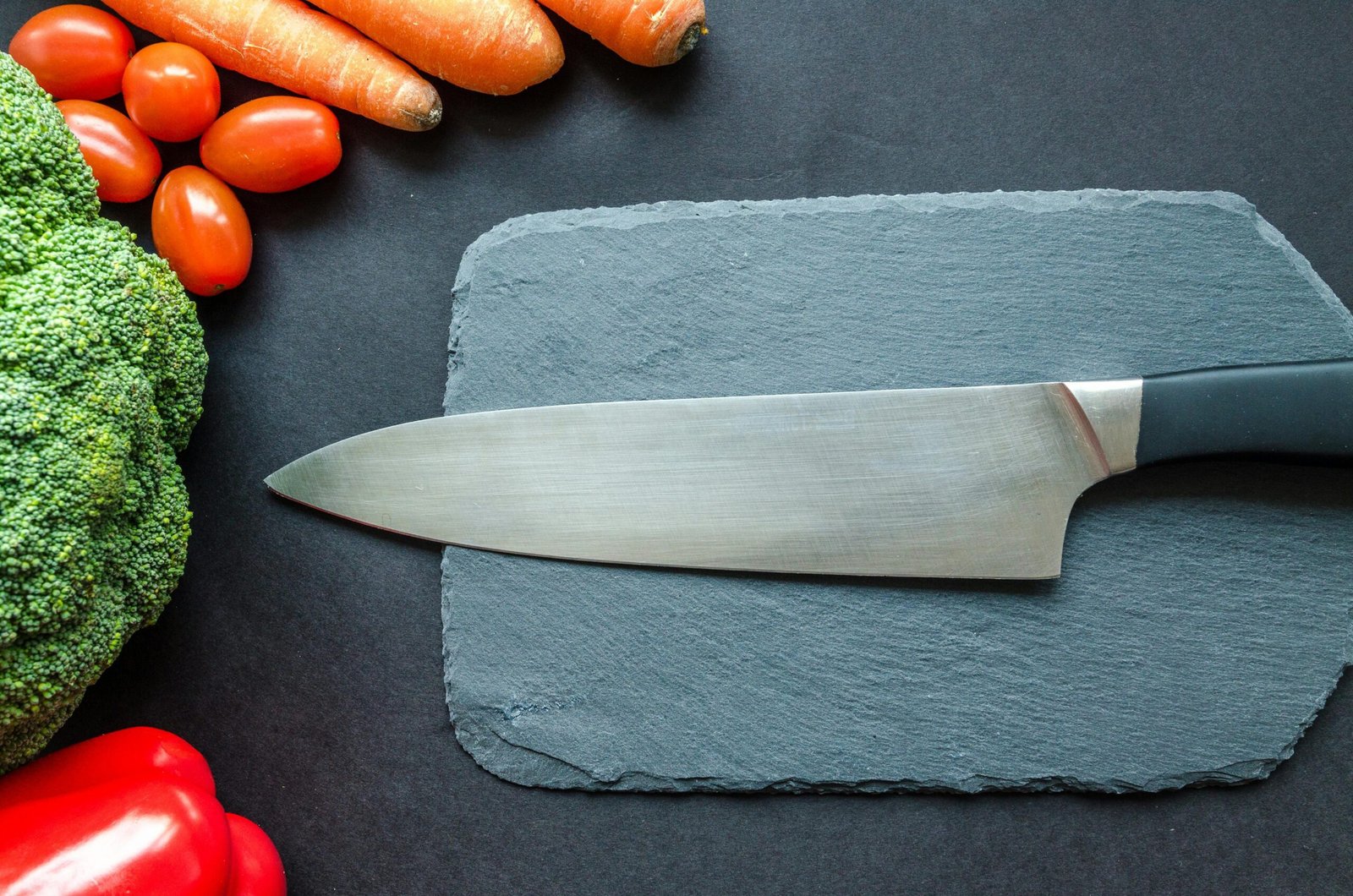
1. Chef’s Knife (8-inch) — The Workhorse
Your chef’s knife will handle 80% of all kitchen cutting tasks. An 8-inch blade is the sweet spot for most home cooks — long enough to slice a large cabbage or carve a roast, short enough to maintain precise control for fine dicing. The blade shape matters enormously. A classic Western chef’s knife has a pronounced belly curve that supports the rocking-chopping motion most home cooks use. A Japanese gyuto has a flatter profile suited to push-cutting and offers a thinner, sharper edge geometry.
Our recommendations:
Wüsthof Classic 8-Inch Chef’s Knife on Amazon →
Tojiro DP Gyuto 210mm on Amazon →
2. Paring Knife (3-4 inch) — The Detail Tool
Everything your chef’s knife is too large for, your paring knife handles. Peeling fruits and vegetables, deveining shrimp, hulling strawberries, segmenting citrus, cutting small garnishes. A 3.5-inch blade gives you the control for in-hand work — cutting while holding the food rather than against a cutting board. Do not overspend here. A $15 Victorinox paring knife performs within 5% of a $100 luxury paring knife.
Victorinox Paring Knife on Amazon →
3. Bread Knife (8-10 inch) — The Serrated Specialist
A bread knife is essential not just for bread but for anything with a hard exterior and soft interior: tomatoes, melons, cake layers, pineapple. The serrations grip the surface and saw through without crushing. Look for an offset handle design — it keeps your knuckles off the cutting board when slicing through wide loaves. An 8-inch blade covers most needs, though a 10-inch is nice for large artisan boules.
Mercer Culinary Offset Bread Knife on Amazon →
4. Utility / Petty Knife (5-6 inch) — The Bridge
A 5-6 inch utility knife bridges the gap between your chef’s knife and paring knife. It handles medium-sized tasks where a chef’s knife feels oversized and a paring knife too small: slicing a single chicken breast, cutting a sandwich, breaking down small vegetables. In Japanese knife terms, this is a “petty” knife. Some cooks skip this and go straight from chef’s to paring — it depends on your cooking style.
Wüsthof 5-Inch Utility Knife on Amazon →
What to Skip in Knife Block Sets
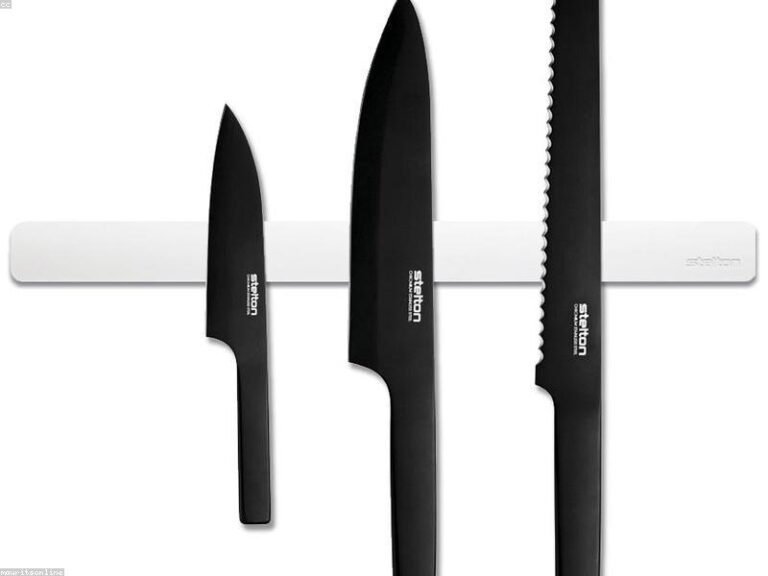
Santoku Knife
A santoku is essentially an alternative to the chef’s knife, not a complement to it. The shorter, flatter blade with a sheep’s foot tip works well for chopping vegetables but lacks the belly curve for rocking cuts and the tip for detailed work. Unless you strongly prefer the santoku shape, it is redundant if you already own a chef’s knife.
Steak Knives (in a block set)
Block sets that include steak knives usually bundle low-quality serrated steak knives. Buy steak knives separately based on how you actually eat steak — straight-edge or serrated, wood-handled or stainless, matching your tableware. They do not need to match your prep knives.
Honing Steel (included in block)
The honing steel included in knife blocks is almost always too short for an 8-inch chef’s knife. A separate 10-12 inch honing rod in ceramic or fine-grit steel is a better investment.
Building Your Set: The Smart Way
Buy knives individually based on your actual cooking habits. Start with the chef’s knife — invest the most here. Add the paring and bread knives. Test whether you miss a utility knife before buying one. Consider a nakiri or Chinese cleaver if you cook primarily vegetables. The goal is not a full block on your counter. It is exactly the right tools for how you cook.
Disclosure: BladeOwl participates in the Amazon Services LLC Associates Program. As an Amazon Associate, we earn from qualifying purchases at no additional cost to you.