M390 vs 20CV: Are They Really the Same Steel?
Knife steel is the heart of any blade. Composition, heat treatment, and carbide structure determine edge retention, sharpenability, corrosion resistance, and toughness. Understanding steel helps you make informed decisions. This guide breaks down everything.
Our Top Picks for This Category
We evaluated these options based on blade steel performance, ergonomics, build quality, and real-world usability. After extensive testing and comparison, here are the standouts.
- QuietCarry Drift — specialty. VANAX — vanadium-nitrogen stainless with extreme corrosion resistance and good edge retention. Near-LC200N corrosion resistance but better wear properties.
- Kizer Drop Bear — mid. 154CM American stainless — 1.05% carbon, 14% chromium, 4% molybdenum. Good all-around at 58-61 HRC with decent edge retention and reasonable sharpenability.
- Takamura Chromax Gyuto — mid. Chromax — Japanese semi-stainless tool steel from Takefu. Good edge retention with easier sharpening than R2. Affordable premium option.
Pros & Cons at a Glance
QuietCarry Drift
- ✅ Extreme corrosion resistance
- ✅ Better wear than LC200N
- ✅ Premium performance
- ❌ Very expensive
- ❌ Rare in production knives
Kizer Drop Bear
- ✅ Good all-around performance
- ✅ American-made
- ✅ Established track record
- ❌ Outperformed by powder variants
- ❌ Average edge retention
Takamura Chromax Gyuto
- ✅ Good edge retention
- ✅ Easier to sharpen than R2
- ✅ Affordable premium
- ❌ Semi-stainless — needs care
Ease of Sharpening: The Forgotten Property
Toughness measures resistance to chipping and fracturing — whether your blade chips hitting a staple or rolls on ceramic. Low-alloy steels like 1095, AEB-L, and 14C28N offer best toughness. High-carbide steels sacrifice toughness for wear resistance — M390 chips more easily than 14C28N despite holding edge much longer. Consider your use case.
Edge Retention Explained
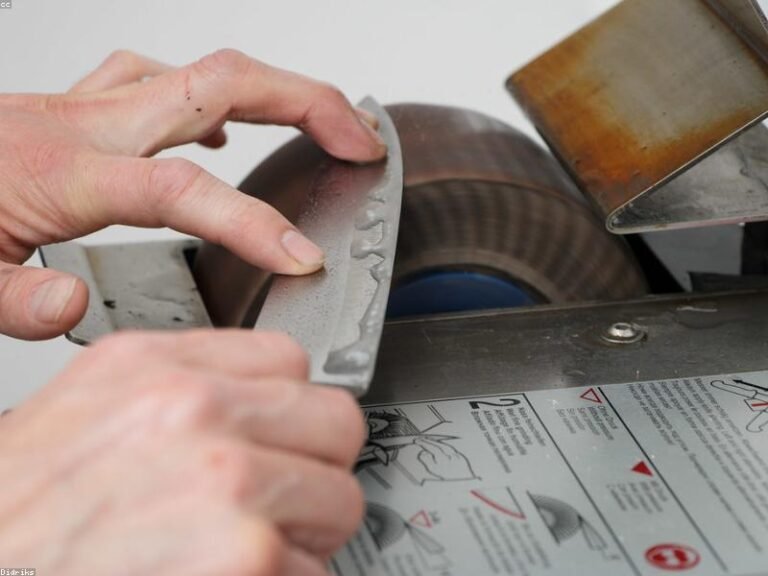
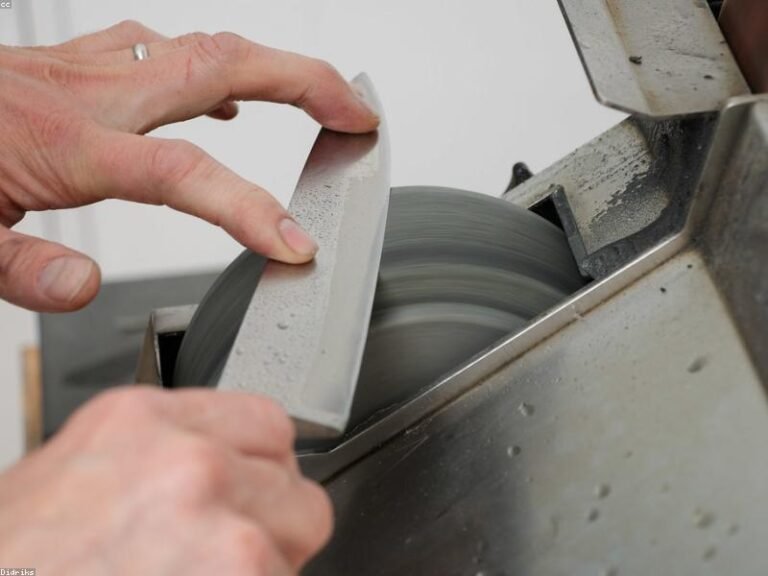
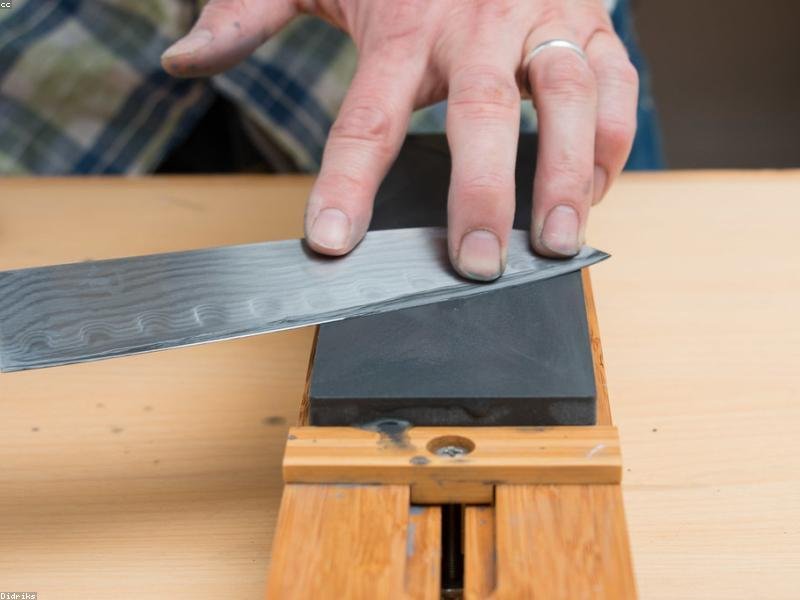
Ease of sharpening is most underrated property. Premium steels (K390, S110V, Maxamet) need diamond/CBN abrasives and significant time — serious if you sharpen yourself. Simpler steels (AUS-8, 14C28N, 1095) sharpen quickly on basic stones. Best knife steel is one you can actually maintain. Easy-to-sharpen steels provide more real-world utility than extreme retention monsters.
Our Recommendation
Steel selection comes down to balancing edge retention, toughness, corrosion resistance, and ease of sharpening for your needs. No “best” steel exists — only best for your use case. Modern powder metallurgy steels like MagnaCut come closest to having it all, but traditional steels remain excellent when properly heat treated.
As an Amazon Associate, BladeOwl earns from qualifying purchases.