ELMAX Steel: The Powder Metallurgy All-Rounder
Knife steel is the heart of any blade. Composition, heat treatment, and carbide structure determine edge retention, sharpenability, corrosion resistance, and toughness. Understanding steel helps you make informed decisions. This guide breaks down everything.
Our Top Picks for This Category
We evaluated these options based on blade steel performance, ergonomics, build quality, and real-world usability. After extensive testing and comparison, here are the standouts.
- CRKT Pilar — budget. 8Cr13MoV — most common Chinese budget stainless. ~0.8% carbon, 13% chromium with vanadium and molybdenum. Gets sharp quickly, dulls quickly.
- CIVIVI Baby Banter — mid. Nitro-V — nitrogen-enriched AEB-L derivative. Nitrogen plus vanadium creates harder carbides while maintaining legendary fine grain and toughness.
- Chris Reeve Sebenza 31 — premium. S35VN — niobium-enhanced evolution of S30V. Finer grain structure improves toughness and ease of sharpening while maintaining good wear resistance.
Pros & Cons at a Glance
CRKT Pilar
- ✅ Very affordable
- ✅ Gets sharp easily
- ✅ Adequate corrosion resistance
- ❌ Low edge retention
- ❌ Soft — rolls and dulls quickly
CIVIVI Baby Banter
- ✅ Fine grain structure
- ✅ Very tough
- ✅ Good corrosion resistance
- ✅ Easy to sharpen
- ❌ Lower wear resistance than high-vanadium steels
Chris Reeve Sebenza 31
- ✅ Improved toughness over S30V
- ✅ Easier to sharpen
- ✅ Good wear resistance
- ❌ Less edge retention than M390/20CV
Edge Retention Explained
Corrosion resistance varies dramatically. True stainless (LC200N, H1, 20CV, M390) resist rust even in saltwater. Semi-stainless (D2, CruWear) spot or patina with neglect. Carbon/tool steels (1095, O1, K390) require active maintenance — oiling, immediate drying. Choose based on your environment and maintenance willingness.
Carbide Structure: The Science
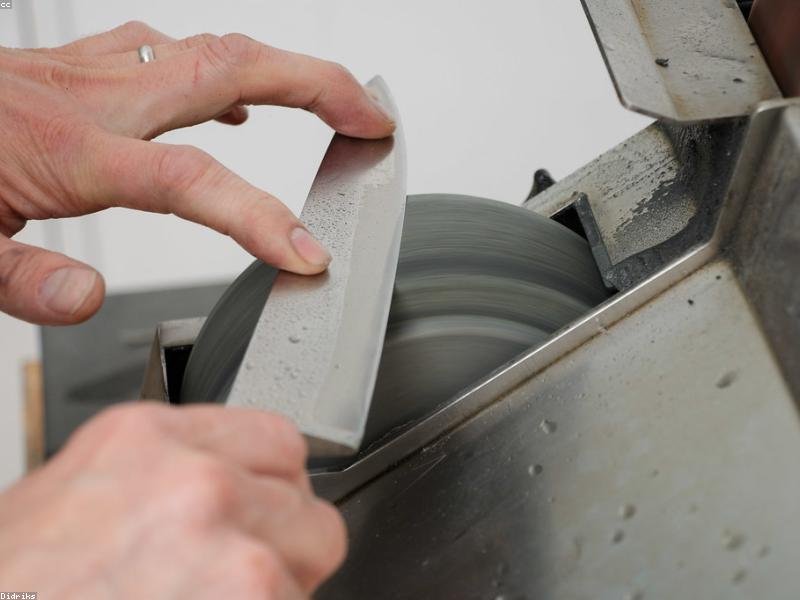
Ease of sharpening is most underrated property. Premium steels (K390, S110V, Maxamet) need diamond/CBN abrasives and significant time — serious if you sharpen yourself. Simpler steels (AUS-8, 14C28N, 1095) sharpen quickly on basic stones. Best knife steel is one you can actually maintain. Easy-to-sharpen steels provide more real-world utility than extreme retention monsters.
Our Recommendation
Steel selection comes down to balancing edge retention, toughness, corrosion resistance, and ease of sharpening for your needs. No “best” steel exists — only best for your use case. Modern powder metallurgy steels like MagnaCut come closest to having it all, but traditional steels remain excellent when properly heat treated.
As an Amazon Associate, BladeOwl earns from qualifying purchases.