Wusthof Classic 8-Inch Chef Knife Review — Is It Still the King in 2026?
The Wusthof Classic 8-inch chef knife is one of the most recognizable names in kitchen cutlery, and the Classic line has been a benchmark for German-style knives for decades. Rather than presenting a fabricated star rating or invented performance numbers, this is an informational overview of what the Classic line is known for and what to expect from this style of knife in general.
German Forged Construction
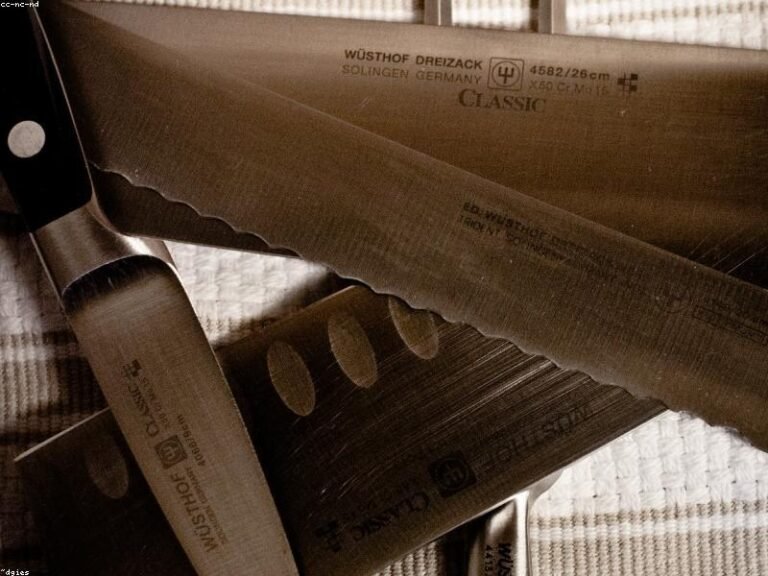
Wusthof’s Classic series is made in Solingen, Germany, a region with a long-standing reputation for cutlery manufacturing. The knives in this line are forged from a single billet of steel, which typically results in a blade that’s well-balanced and includes a substantial bolster — the thick collar of metal between the blade and handle that adds weight forward of the grip and protects the fingers. Forged construction is generally associated with a more solid, heavier feel in the hand compared to stamped blades, which are cut from sheet steel and tend to be lighter.
High-Carbon Stainless Steel
Like most traditional German kitchen knives, the Classic line uses a high-carbon stainless steel formulated for a balance of edge retention, toughness, and corrosion resistance. This category of steel is typically hardened to a moderate range compared to premium Japanese kitchen steels — soft enough to be easy to resharpen on a honing steel or whetstone, tough enough to handle the kind of varied, sometimes careless use a chef’s knife sees in a busy kitchen. It’s not designed to compete with harder specialty steels on raw edge retention; it’s designed to be dependable and low-maintenance over years of regular use.
Full Tang, Triple-Rivet Handle
The Classic line uses a full tang design, meaning the steel extends the entire length of the handle, secured with three visible rivets through a synthetic polymer handle scale. This is a traditional, well-proven construction method in Western-style kitchen knives — it distributes weight evenly, resists loosening over time, and is easy to keep clean since there are no hidden gaps for food debris. The handle shape on the Classic line follows a fairly traditional bolster-and-grip profile rather than an ergonomic sculpted design, which some cooks prefer for its neutral, adaptable feel across different grip styles.
General Reputation and What to Expect
Wusthof as a brand has built its reputation over more than 200 years of cutlery production, and the Classic line specifically is frequently cited by culinary schools and professional kitchens as a dependable workhorse knife. That reputation is built on consistency — predictable geometry, respectable edge retention for a stainless working knife, and handles that hold up to dishwasher heat and daily abuse better than many competitors, even though hand-washing is still recommended for any quality kitchen knife. It’s a knife designed to be an everyday tool rather than a specialty instrument, which is exactly why it has remained a default recommendation for home cooks and professionals alike.
How the Wusthof Classic Compares to Other 8-Inch Chef’s Knives
The Wusthof Classic isn’t the only well-regarded 8-inch chef’s knife worth considering. Here’s how it stacks up against three real, widely-available alternatives that come up in the same conversations:
| Knife | Price Tier | Key Differentiator | Best For |
|---|---|---|---|
| Wusthof Classic 8-Inch Chef’s Knife | $150–$180 | Full-tang forged German steel, triple-rivet handle, 200+ years of cutlery heritage | Cooks who want a dependable do-it-all knife with minimal fuss |
| Zwilling Pro 8-Inch Chef’s Knife | $140–$170 | Similar forged German construction with a more ergonomic, sculpted handle | Cooks who prioritize handle comfort over the traditional bolster shape |
| Victorinox Fibrox Pro 8-Inch Chef’s Knife | $45–$55 | Stamped (not forged) blade, featherweight, NSF-certified non-slip handle | Budget-conscious cooks and culinary students who want proven performance for a fraction of the price |
| Shun Classic 8-Inch Chef’s Knife | $170–$200 | Japanese VG-MAX core steel, thinner and harder edge, Damascus-clad | Cooks who want sharper, thinner slicing performance and don’t mind more careful maintenance |
If you already own — or are considering — the Classic, the Zwilling Pro is the closest apples-to-apples alternative: same forged German construction philosophy, different handle geometry. The Victorinox Fibrox Pro is the value pick that culinary schools issue by the crate, and while it lacks the bolster and heft of the Classic, it holds an edge well for the price. The Shun Classic represents the other direction entirely — a harder, thinner Japanese-style blade that trades some durability and ease of sharpening for a noticeably sharper factory edge.
Who It’s Likely to Suit
An 8-inch chef’s knife in this style is a good fit for cooks who want one knife that handles the bulk of prep work — chopping, slicing, mincing — without needing to think much about maintenance beyond regular honing and periodic sharpening. If you’re drawn to lighter, thinner, harder-edged knives for fine slicing work, it’s worth comparing this style against Japanese-pattern chef’s knives, which take a different approach to steel and geometry. But as a single, do-it-all kitchen knife with a long track record, the Classic line remains a reasonable, well-documented choice.
This article may contain affiliate links. If you purchase a product through one of these links, Bladeowl may earn a commission at no extra cost to you. This never influences our editorial independence or which products we recommend.