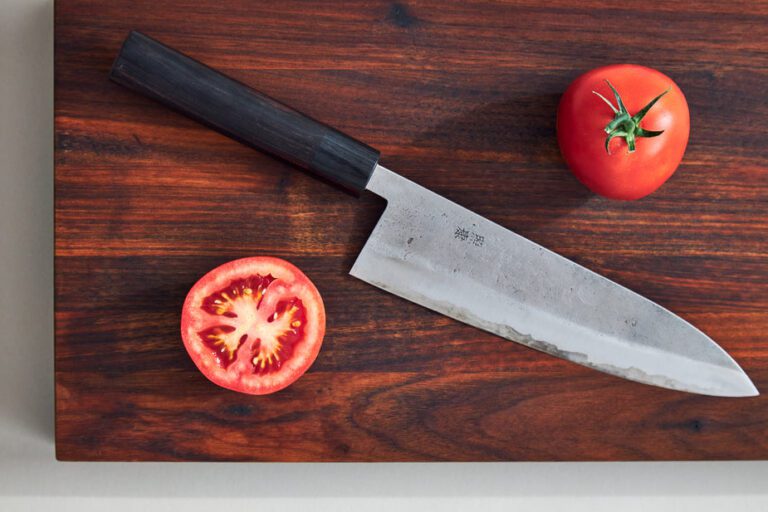
Best Santoku Knives 2026 — The Japanese All-Rounder for Every Kitchen
The santoku has become one of the most common knives in Western kitchens, but a lot of people buy one without really understanding what sets it apart from a chef’s knife. Here’s what actually matters when choosing one.
What Makes a Santoku Different
“Santoku” roughly translates to “three virtues,” referring to its versatility for slicing, dicing, and mincing. Compared to a Western chef’s knife, a santoku typically has a shorter, flatter blade with less curve along the edge. A chef’s knife relies on a rocking motion — the tip stays on the board while the heel lifts and falls. A santoku is designed more for a straight up-and-down chopping motion, since its flatter profile doesn’t rock as naturally. If you already chop with a rocking motion out of habit, it can take a little adjustment to get used to a santoku’s flatter blade.
Granton Edge (Those Dimples)
Many santoku knives feature a granton edge — the small oval indentations along the sides of the blade near the edge. These create tiny pockets of air that reduce surface contact between the blade and whatever you’re cutting, which helps prevent sticky foods like potato or cucumber from clinging to the blade as you slice. It’s a genuinely useful feature, though not exclusive to santoku knives — some chef’s knives have it too, and plenty of good santoku knives skip it entirely.
Steel Types
Japanese-style knives, including most santoku, generally fall into a few steel categories. Simpler stainless steels used on budget-to-mid-range knives resist rust well and are easy to maintain with minimal fuss, at the cost of not holding an edge quite as long as premium steels. Higher-carbon Japanese steels (such as those used in higher-end santoku lines) can take a noticeably sharper edge and hold it longer, but they’re often harder and more brittle, meaning they can chip if used carelessly (twisting in food, cutting bone, or dropping them) and typically require a bit more care to sharpen. Some santoku knives use a harder core steel clad in softer stainless layers — a construction method meant to combine edge retention with some added toughness and corrosion resistance.
Handle Styles
You’ll typically see two handle styles: Western-style handles, which are riveted and contoured similarly to a chef’s knife handle, and Japanese-style (wa) handles, which are usually octagonal or D-shaped, lighter, and attached differently to the tang. Western handles tend to feel more familiar to people used to European knives, while wa handles are lighter and can feel more nimble, though they may take some adjustment if you’ve never used one. Neither is objectively better — it’s a matter of grip preference and what you’re used to.
Care and Maintenance
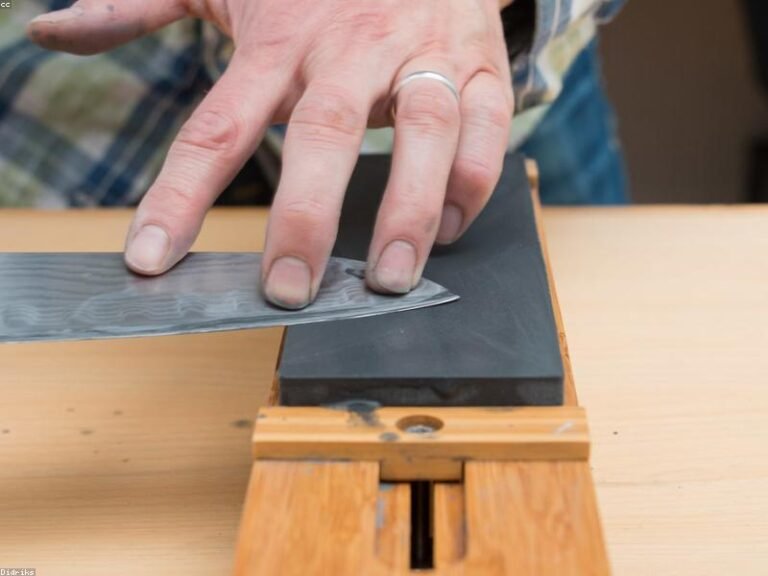
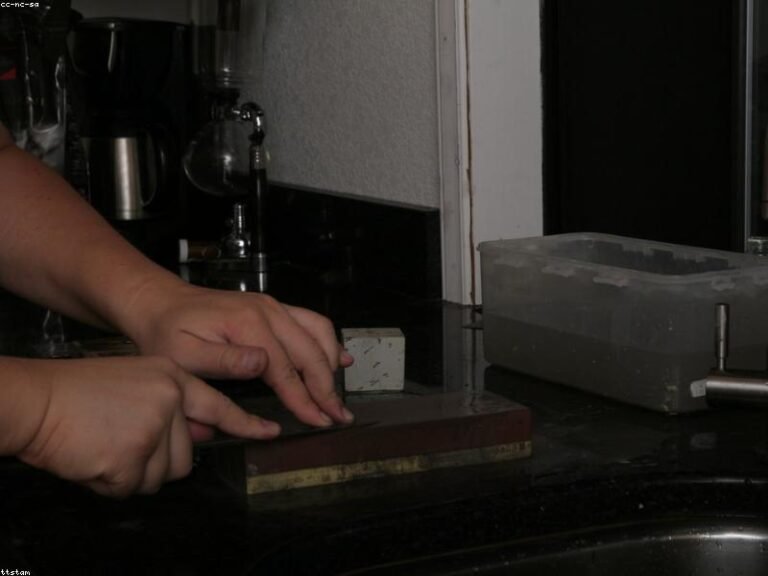
Regardless of steel type, a santoku should be hand-washed and dried promptly rather than left in a sink or run through a dishwasher, which can dull the edge and damage handles over time. Harder Japanese steels benefit from whetstone sharpening rather than pull-through sharpeners, which can be too aggressive and remove more material than necessary. A honing rod used between sharpenings helps keep the edge aligned, though very hard, thin Japanese edges are sometimes better served by a ceramic rod or ultra-fine stone rather than a coarse honing steel.
Santoku Knives Worth Considering
With the fundamentals out of the way, here are four real, well-known santoku knives spanning budget to premium that illustrate the trade-offs above:
| Knife | Price Tier | Key Differentiator | Best For |
|---|---|---|---|
| Mercer Culinary Genesis Santoku | $30–$40 | Stamped German-style stainless steel, NSF-certified handle | Beginners and culinary students who want a reliable, low-cost entry point |
| Wusthof Classic Santoku | $120–$150 | Forged German steel with a full bolster, granton edge on most sizes | Cooks who want German durability in a santoku shape |
| Global G-48 Santoku | $100–$130 | One-piece stainless CROMOVA 18 construction, hollow-ground granton edge, very light | Cooks who want an authentic Japanese-made santoku with a distinctive handle |
| Shun Classic Santoku | $140–$170 | VG-MAX core steel clad in Damascus layers, thinner and harder edge | Cooks who want maximum sharpness and don’t mind more careful maintenance |
Who a Santoku Suits
A santoku is a great fit if you do a lot of vegetable prep, want a lighter and more nimble knife than a full-size chef’s knife, or prefer a flatter blade for straight chopping. If your cooking involves a lot of large cuts of meat, heavy rocking-motion mincing, or you just prefer the longer reach of a traditional chef’s knife, you may find a santoku feels limiting as your only knife. Many home cooks end up owning both and reaching for whichever fits the task.
This article may contain affiliate links. If you purchase a product through one of these links, Bladeowl may earn a commission at no extra cost to you. This never influences our editorial independence or which products we recommend.