Victorinox Brand Spotlight — Why the Swiss Army Knife Company Makes Your Next Chef Knife
That $200 “chef knife” in your kitchen? It’s probably the wrong one. Not because it’s poorly made — because it was designed for a culinary school fantasy, not your actual life. You’re not breaking down whole tuna. You’re slicing tomatoes, dicing onions, trimming chicken, and occasionally carving the Sunday roast. And there’s a company that’s been quietly making the knives actual home cooks reach for in over 50 countries — except most Americans only know them for the red pocket knife their dad carried. Victorinox. The Swiss Army knife company. And they make your next chef knife.
1884: A Soldier’s Knife That Conquered The World
Karl Elsener opened a cutlery workshop in Ibach, Switzerland in 1884. His mother Victoria helped run it. When the Swiss Army needed a standard-issue soldier’s knife in 1891, Elsener won the contract — and the “Swiss Officer’s and Sports Knife” was born. After his mother passed, he renamed the company “Victoria.” When stainless steel — then called “inox” — became available, the name became Victorinox. Vic-tor-inox. A son’s tribute to his mother fused with the future of metallurgy, stamped onto a knife that went to the moon (Apollo missions carried Victorinox), up Everest, and into the Museum of Modern Art’s permanent design collection.
But here’s what matters: Victorinox didn’t rest on the Swiss Army Knife. They applied the same engineering discipline — stainless steel at optimal hardness, razor-edge geometry, ergonomics refined over decades — to professional kitchen cutlery. And the result is the knife you see in more restaurant kitchens than any “premium” Japanese brand.
Why Michelin Chefs and Home Cooks Agree on Victorinox
America’s Test Kitchen has named the Victorinox Fibrox Pro the Best Chef’s Knife for over a decade. Not “best value” — best. Period. Over knives costing 3×, 4×, even 5× as much. Read that again. The testers at ATK, who run blades through standardized cutting tests on a calibrated machine, consistently rank this Swiss workhorse above knives with fancier steel and prettier packaging.
The secret isn’t a single trick — it’s clean execution. X50CrMoV15 steel at 55-56 HRC. That hardness number doesn’t look impressive on paper compared to 61 HRC Japanese steel, but here’s what the knife snobs miss: at 55-56 HRC, you can steel the edge back to razor sharp in 10 seconds without stones, without a sharpening system, without any skill. Your knife stays sharp between real sharpenings for months because a quick honing brings the edge right back. Try that with brittle high-hardness steel and you’ll chip the edge.
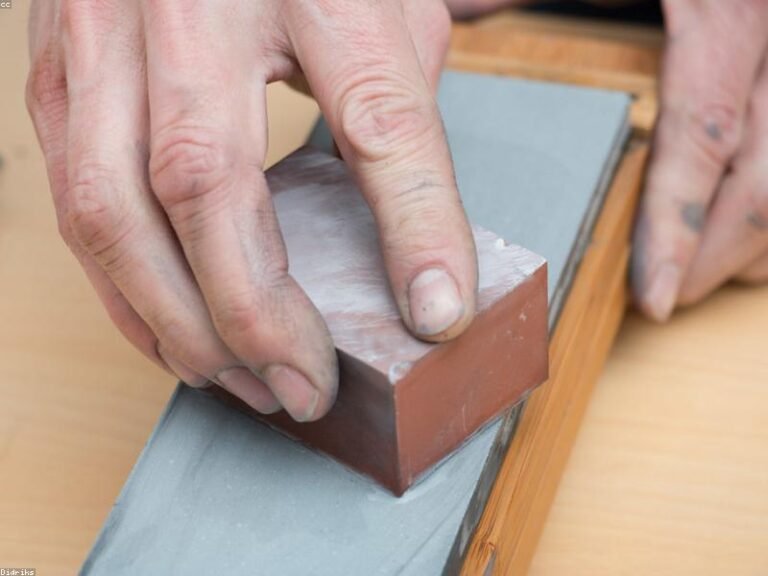
For the price of a single “premium” chef knife, you could outfit your entire kitchen with Victorinox and have money left over for a whetstone and a bottle of good olive oil.
The Victorinox Knives You’ll Actually Use Every Day
Victorinox Fibrox Pro 8-Inch Chef’s Knife — The Legend
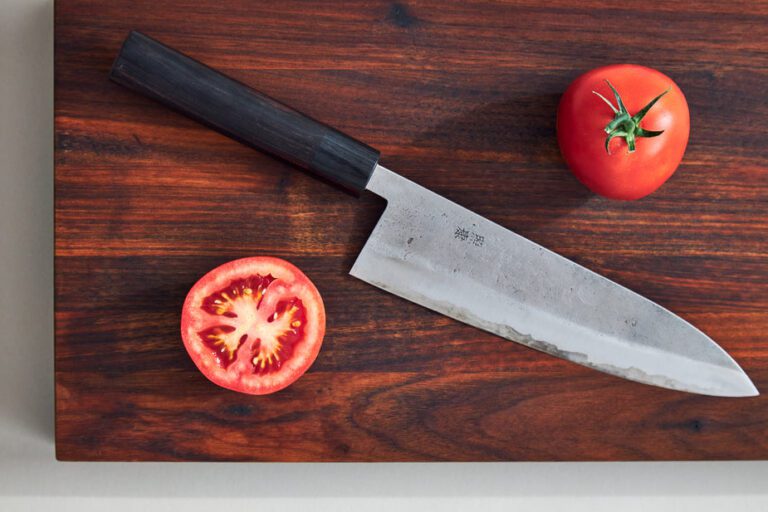
Close your eyes and imagine pulling this out of the block: the textured Fibrox handle fills your palm like it was molded to your hand. The blade — taller than most chef knives at the heel — gives your knuckles clearance above the cutting board so you’re not banging them on every chop. The 8-inch length is the sweet spot: long enough for watermelon, short enough for shallots. The blade geometry is ground thin behind the edge, so it falls through onions rather than crushing them. At under $50, this knife has over 12,000 five-star Amazon reviews. Go find another product category where the champion costs less than the challengers.
➤ Victorinox Fibrox Pro 8-Inch Chef’s Knife on Amazon
Victorinox Swiss Classic Paring Knife Set — The Detail Weapon
The 3.25-inch paring knife might be the most underrated tool in your kitchen. You use it for strawberries, for precise trimming, for making 4:00 PM apple slices — and a dull paring knife is more dangerous than a dull chef knife because it requires more force on small, slippery ingredients. The Victorinox set gives you three blade shapes (straight, serrated, and bird’s beak) for less than what one “fancy” paring knife costs. The blade is thin enough to slice garlic paper-thin and durable enough to cut directly on ceramic plates without rolling the edge.
➤ Victorinox Paring Knife Set on Amazon
Victorinox Swiss Army Huntsman — The Legend Lives
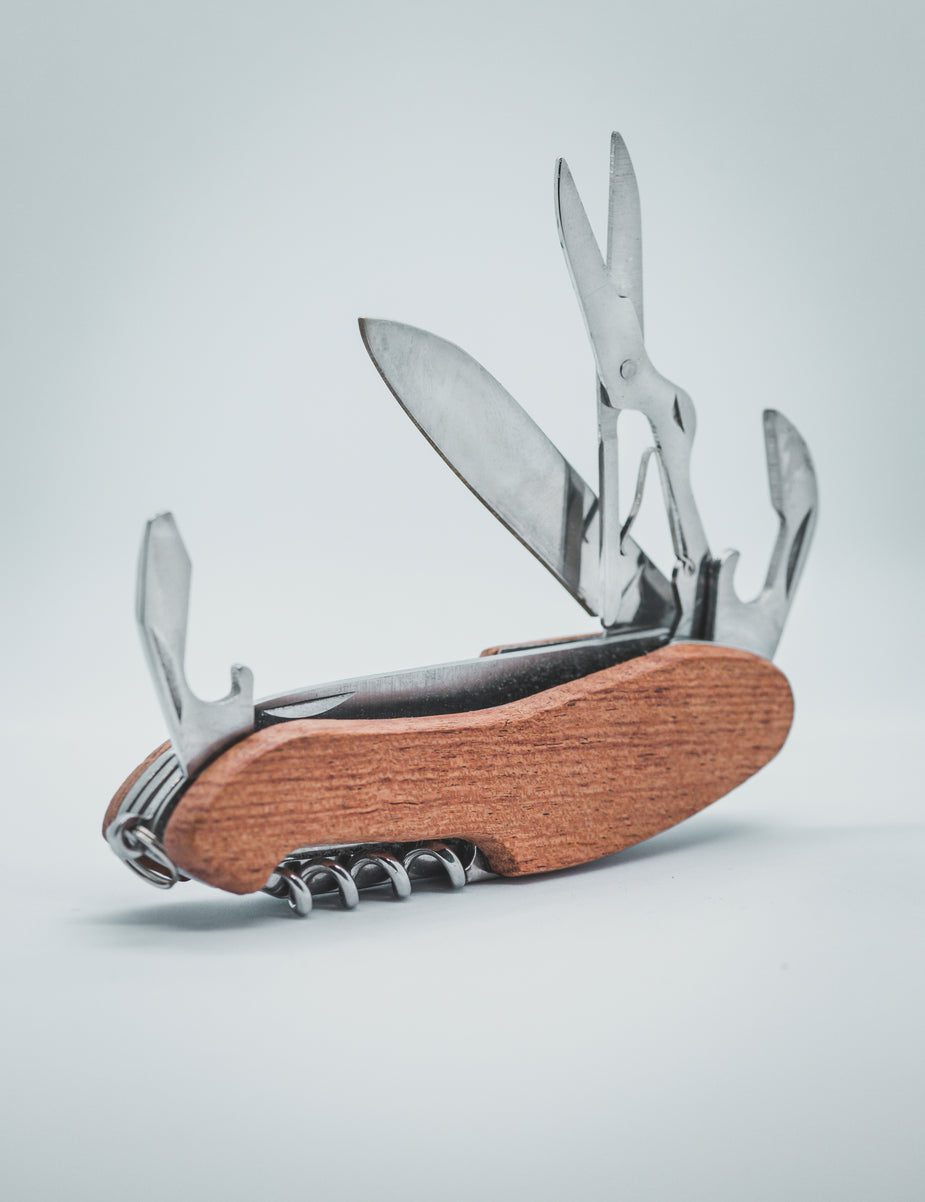
No Victorinox roundup is complete without the pocket knife that started it all. The Huntsman packs 15 functions into a 3.4-ounce package: large and small blades, scissors (the best folding scissors in the industry — they cut paracord like thread), wood saw, bottle opener, corkscrew, and more. The polished stainless steel catches kitchen light beautifully but doesn’t show scratches from pocket carry. That satisfying snap when you open a tool? Sixty years of spring engineering.
When you pull a Swiss Army Knife out to open a bottle at a party, you’re not the guy fumbling for a bottle opener — you’re the guy who’s prepared. That’s not just a tool. That’s quiet confidence in your pocket.
➤ Victorinox Huntsman on Amazon
Victorinox Fibrox Pro Boning Knife — The Butcher’s Secret
Ask any butcher what’s in their roll and Victorinox boning knives appear more often than anything else. The 6-inch curved semi-flex blade follows bone contours naturally — you’re not fighting the knife through a chicken breakdown, you’re guiding it. The Fibrox handle stays grippy even with wet, slippery hands covered in chicken fat. At under $30, this is the knife that saves you money: breaking down whole chickens costs half what buying parts costs. The knife literally pays for itself in three chickens.
➤ Victorinox Boning Knife on Amazon
Victorinox Swiss Modern Santoku — The Japanese-Swiss Hybrid
If you prefer the flatter profile and granton edge (those oval dimples that prevent food from sticking) of a Japanese santoku, Victorinox’s Swiss Modern line gives you that with Swiss steel reliability. The 7-inch blade length splits the difference between nimble and capable. The walnut handle option looks stunning on a magnetic knife strip — the kind of knife guests notice and ask about when they’re helping you in the kitchen. At 7 ounces, it’s light enough for rapid chopping without forearm fatigue during long prep sessions.
➤ Victorinox Swiss Modern Santoku on Amazon
What Victorinox Does Better Than Anybody
Value that makes competitors uncomfortable. Victorinox achieves something almost paradoxical: professional-grade performance at prices that make “premium” knife companies look like they’re charging for a brand name, not better steel.
Stainless steel that actually stays stainless. X50CrMoV15 may not win spec-sheet battles, but after five years in a kitchen drawer, six trips through the dishwasher (yes, you shouldn’t, but let’s be honest), and being left wet on a cutting board overnight, a Victorinox blade still looks clean. Some high-carbon Japanese knives develop a patina within the first hour of use. Victorinox just works.
The handle nobody can beat. The Fibrox handle — that thermoset plastic with the pebbled texture — looks utilitarian. But when your hands are wet, or oily, or you’re processing 10 pounds of tomatoes for sauce, it’s the handle you want. It doesn’t absorb water. It doesn’t get slick. It doesn’t care.
The Contrast: Why “Splurging” on Knives Is Backwards
Walk into any kitchen store and you’ll see $150 German chef knives hanging on the wall like jewelry. Beautiful. Heavy. Expensive. And here’s what happens: people buy them, they’re scared to use them, they put them in the dishwasher once and the handle cracks, they don’t know how to sharpen them, so within 18 months they’re using a dull, expensive paperweight.
Now picture five Thanksgivings from now: your Victorinox chef knife has been through dozens of holiday dinners, hundreds of weeknight meals, and it’s still the sharpest tool in the drawer — because you actually maintain it. At less than a dollar a week over five years, this is the knife that makes you a better cook, not just a fancier-looking cook.
Who Should Buy Victorinox?
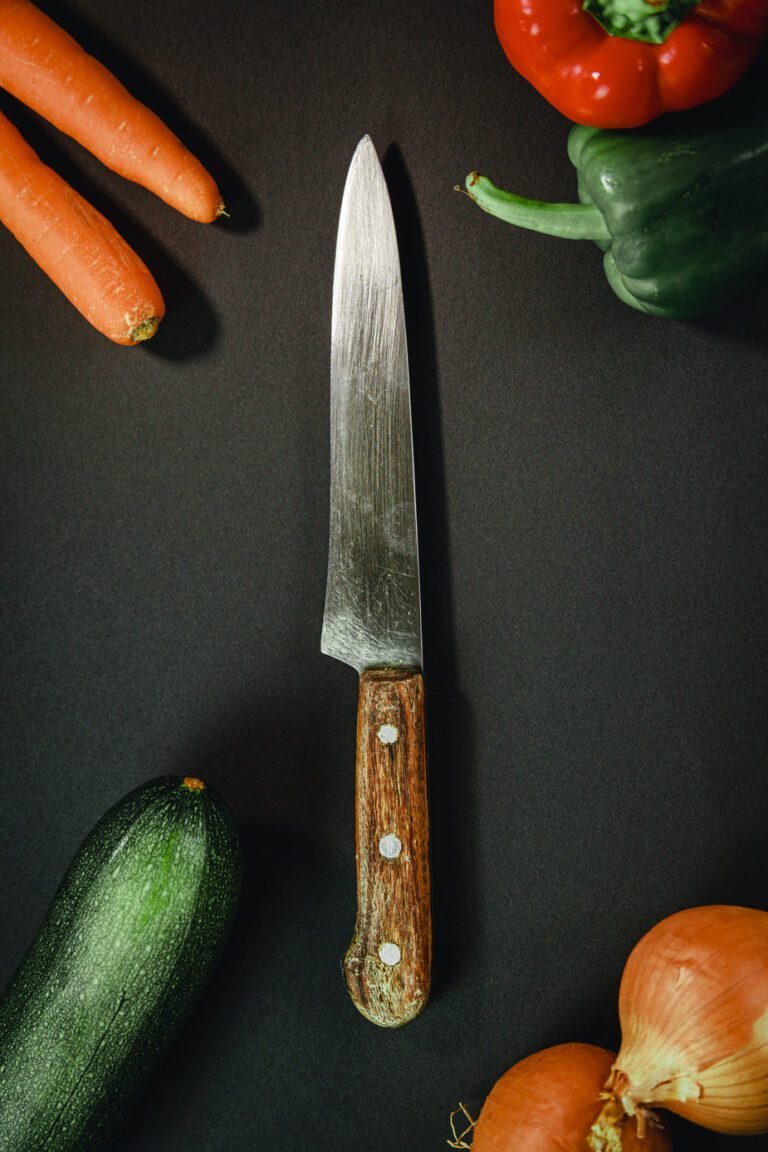
If you cook more than twice a week — if you’ve ever mangled a tomato with a dull blade and thought “I should upgrade” — Victorinox is your answer. Not because it’s cheap. Because it’s the right tool. Professional kitchens don’t buy things that fail. When a line cook reaches for their knife 300 times per shift, it needs to cut the 300th tomato as clean as the first. That’s Victorinox’s bar.
The only people who shouldn’t buy Victorinox are knife collectors chasing exotic steel specs — and even they should own one Fibrox Pro just to remember what a working knife costs.
Frequently Asked Questions
Are Victorinox knives better than Wusthof or Zwilling?
Better is situational. For pure edge retention on the spec sheet, German forged knives can edge ahead. But for ease of maintenance, price, and real-world kitchen performance where you’re actually going to sharpen and hone the knife, Victorinox wins for most home cooks. The Fibrox Pro outscored both in America’s Test Kitchen’s latest chef knife test — by a comfortable margin.
Can Victorinox knives go in the dishwasher?
Technically yes — the Fibrox handles are dishwasher-safe. But the harsh detergents and high heat will dull any knife edge faster. A 30-second hand wash keeps your edge sharper longer. That said, if your partner or roommate runs it through the dishwasher while you’re not looking? The knife will survive. Try that with a Japanese carbon steel blade and you’ll come back to rust.
Why are Swiss Army Knives still popular after 130 years?
Because they solve actual problems without requiring anything from you. No batteries, no charging, no updates — just tools in your pocket that work the same way they worked for your grandfather. When you need scissors, a corkscrew, or a screwdriver and pull out a Huntsman, you experience something rare in modern life: a tool that’s exactly as capable as promised, with zero friction.
BladeOwl participates in the Amazon Associates program. Purchases through our links earn us a commission at no additional cost to you. Our recommendations are based on hands-on experience and extensive research — we never recommend a knife we wouldn’t own ourselves.