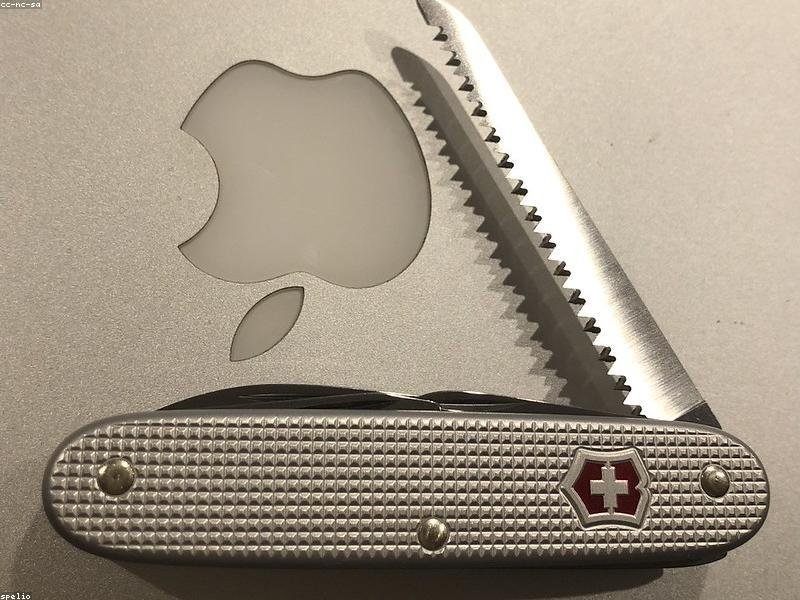
EDC Knife Cleaning and Maintenance Routine – How to Clean Lube and Tune
Why Maintenance Matters for Your EDC Knife
Your EDC knife is a precision tool with moving parts, tight tolerances, and a blade edge measured in microns. Like any mechanical device, it needs regular maintenance to perform at its best. A clean, properly lubricated pivot means smoother deployment, reliable lockup, and a blade that stays sharp longer.
The good news? A complete knife maintenance routine takes about 15 minutes and requires minimal tools. In this guide, we’ll walk through every step — from disassembly to reassembly — along with the specific products that make the job easy.
Essential Knife Maintenance Tools
Before you start, you’ll need the right tools. Here’s what belongs in every knife owner’s maintenance kit:
1. A Quality Torx Driver Set
Almost all modern folding knives use Torx screws (typically T6 and T8 for body screws, T8 or T10 for the pivot). A cheap driver set is a false economy — stripped screws are a nightmare, and low-quality bits will round off both the screw and themselves. Invest in a proper precision driver set.
Our recommendation: The Wiha 26791 Precision Torx Set (T1-T8). Wiha is the gold standard for precision drivers — their bits are hardened to exacting tolerances and fit Torx screws perfectly. The T6 and T8 bits alone will cover 90% of folding knife maintenance needs. For larger pivots (T10), you may need a separate driver.
2. Pivot Lubricant
A quality lubricant is the single most impactful product for knife maintenance. It reduces friction in the pivot, prevents corrosion on the blade and liners, and keeps the action smooth even after months of pocket carry. Here are the top options:
Nano-Oil (10W) — The enthusiast favorite. Nano-Oil uses proprietary nanoparticle technology to create a near-permanent lubricating film on metal surfaces. A single drop in the pivot can last months. The 10-weight version is ideal for folders; the 85-weight is for heavy-duty applications. The duo kit gives you both.
KPL (Knife Pivot Lube) — Purpose-built for knives. KPL’s synthetic formula is designed specifically for the high-pressure metal-on-metal contact in knife pivots. It comes in a needle applicator bottle that makes precision application easy. KPL also offers a heavy version for frame locks and detent tracks.
Tuf-Glide — A dry-film lubricant that bonds to metal at the molecular level. Excellent for corrosion protection on blades, especially if you carry non-stainless steels (D2, 1095, O1). Apply, let dry completely, and buff off the residue for a rust-resistant coating that won’t attract pocket lint.
3. Threadlocker
Ever had your pivot screw back out after a few hundred openings? Threadlocker prevents that. Loctite 243 (Blue) is the ideal choice — it holds screws firmly but allows disassembly with normal tools. A tiny drop on the pivot screw threads will keep your knife tuned for months. Avoid red Loctite (permanent) and over-application (a little goes a long way).
4. Cleaning Supplies
You don’t need anything fancy here: isopropyl alcohol (90%+), cotton swabs, microfiber cloths, and compressed air cover most needs. For deep cleaning, an ultrasonic cleaner works wonders, but it’s optional. Paper towels are fine for wiping surfaces, but avoid them near the pivot — they leave lint behind.
Step-by-Step Maintenance Routine
Step 1: Disassembly (If Needed)
Not every cleaning requires full disassembly. For routine maintenance, you can often clean the pivot area with compressed air and apply fresh lubricant without taking the knife apart. Full disassembly is only necessary when:
- The action feels gritty despite lubrication
- You’ve used the knife in dirty/sandy environments
- You’re doing a pivot upgrade or scale swap
- It’s been 6+ months since the last deep clean
Pro tip: Before disassembling, take photos of the knife from both sides so you know exactly how everything fits back together. Lay out the parts in the order you remove them. Some knives (especially axis/crossbar lock models) can be tricky to reassemble — watch a YouTube tutorial for your specific model before diving in.
Step 2: Clean Everything
Use isopropyl alcohol and cotton swabs to clean every surface. Pay special attention to:
- Pivot area: Remove all old lubricant and debris
- Washers/bearings: These tiny parts collect the most gunk
- Lock face: Clean the interface where the lock bar meets the blade tang
- Detent track: The path the detent ball travels along the blade
- Blade tang: Where the stop pin contacts the blade
For bearings (caged or loose), use a cotton swab dipped in alcohol and rotate the bearings to clean all surfaces. If you have loose bearings, work over a towel or mat — they’re tiny and impossible to find on the floor.
Step 3: Lubricate Strategically
Less is more with knife lubricant. Apply one small drop of Nano-Oil or KPL to each side of the pivot washer/bearing. For washer knives, a thin film is enough — you want lubrication, not a puddle that attracts dirt. For bearing knives, one drop per side is perfect.
Additional lubrication points:
- Detent ball/path: Tiny amount — reduces friction during deployment
- Lock bar interface: Improves lockup feel and reduces wear
- Blade (optional): A light wipe of Tuf-Glide or mineral oil for corrosion-prone steels
Step 4: Reassemble and Tune
Reassemble in reverse order. Apply a tiny amount of Loctite 243 to the pivot screw threads before final tightening. Here’s the key to a perfect reassembly:
Tighten the pivot screw until the blade is snug, then back it off in tiny increments (1/8 turn at a time) until the blade drops freely when you disengage the lock. There’s a sweet spot where the blade has zero play but deploys smoothly — finding it is part art, part science. Once you’re happy, let the Loctite cure for 24 hours before heavy use.
Step 5: Sharpen and Protect
While the knife is apart, this is the perfect time to touch up the edge. A strop with green compound is all most knives need between sharpenings. For the blade, a light coat of food-safe mineral oil (especially on D2 or other semi-stainless steels) provides corrosion protection without adding anything toxic to your cutting edge.
Maintenance Schedule
| Frequency | Task | Tools Needed |
|---|---|---|
| Weekly | Wipe blade, check pivot tightness | Microfiber cloth, Torx driver |
| Monthly | Add pivot lube, strop edge | Lubricant, strop |
| Quarterly | Deep clean (no disassembly) | Alcohol, swabs, compressed air |
| Annually (or as needed) | Full disassembly and deep clean | Full tool kit, Loctite, lubricant |
The Essential Starter Kit
If you’re building a maintenance kit from scratch, here’s everything you need:
- Wiha Torx Driver Set T1-T8 — $35
- Nano-Oil 10W — $15
- Loctite 243 Blue — $8
- Isopropyl alcohol 90%+ — $3
- Cotton swabs and microfiber cloth — $5
- Total: ~$66 for years of maintenance capability
That’s less than the cost of most budget EDC knives, and it’ll keep your entire collection running smoothly for years.
Common Mistakes to Avoid
- WD-40 is NOT a knife lubricant. It’s a water displacer that dries sticky and attracts dirt. Use proper pivot lube.
- Over-tightening the pivot. This crushes washers and creates permanent grit. Snug, then back off slightly.
- Skipping the Loctite. Nothing is more annoying than a pivot screw that backs out every week.
- Using the wrong size Torx bit. A T7 bit in a T8 screw will strip it. Use the largest bit that fits snugly.
- Losing parts. Work over a mat or tray, especially with bearing knives. Replacement washers are a pain to source.
Final Thoughts
Knife maintenance isn’t complicated — it’s mostly about having the right tools and following a consistent routine. A well-maintained knife deploys smoothly, locks up tight, and holds its edge longer. Plus, there’s something deeply satisfying about tearing down your EDC, cleaning every component, and putting it back together perfectly tuned.
Start with the Wiha Torx set and your choice of KPL or Nano-Oil, and you’re 90% of the way to a perfectly maintained knife. Your knives — and your pockets — will thank you.
Disclosure: As an Amazon Associate, we earn from qualifying purchases.