Best Tactical and Duty Knives 2026
“Tactical knife” gets used as a marketing buzzword more often than a meaningful category, but there is a real design philosophy behind the term when it’s applied correctly. Whether you’re shopping for a rugged personal knife or evaluating options for professional duty use, it helps to know what actually separates a genuinely tactical design from a knife that just looks the part.
A Robust, Purposeful Tip
Tactical blade shapes, like the tanto and reinforced drop point, prioritize tip strength over the fine piercing geometry you’d find on a hunting or detail knife. That means a thicker cross-section near the point and an angle designed to resist lateral snapping if the tip is driven into a hard or unpredictable material. This isn’t about looking aggressive, it’s a functional response to the reality that a tactical knife may need to punch through resistant material — from webbing and cordage to vehicle interiors in an emergency — without the tip rolling or snapping off. A fine, needle-sharp tip optimized purely for penetration is more fragile under that kind of lateral load.
Grip Texture That Works When Conditions Don’t Cooperate
Aggressive handle texturing — deep jimping, coarse G10 patterns, or rubberized overmolds — is a defining trait of the category because tactical knives are designed around worst-case grip conditions: wet hands, blood, mud, sweat, or gloves. A smooth, polished handle that feels great in a dry showroom can become genuinely dangerous the moment your hand loses traction. This is one of the clearest ways to tell a purpose-built tactical knife from one that’s borrowing the aesthetic without the functional grip engineering behind it.
Coatings for Glare Reduction and Corrosion Resistance
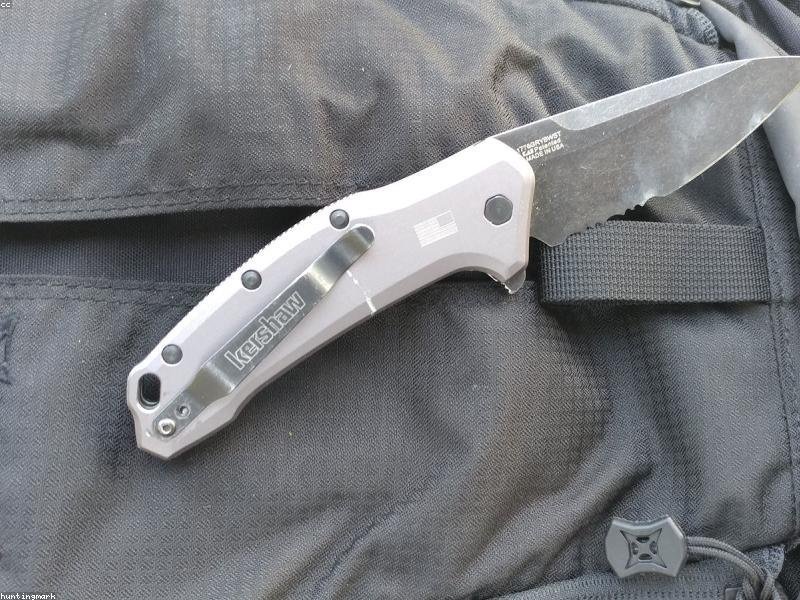
Many tactical blades wear a matte black, gray, or earth-tone coating rather than a polished finish. Beyond the obvious low-visibility benefit in field or professional use, these coatings also add a layer of corrosion resistance and reduce reflective glare that could otherwise give away a position or simply catch unwanted attention. The coating is a wear layer, not a substitute for a quality base steel, so expect it to show scratches and thinning at contact points over time — that’s normal and doesn’t indicate a flawed knife.
What Duty Use Actually Demands
For law enforcement, military, EMS, or other professional duty carry, the priorities shift slightly from general tactical design toward operational reliability. Reliability under repeated, sometimes abusive, use tops the list — a duty knife needs to work the same way on day one thousand as it did on day one. One-handed deployment is essential, since a duty knife is frequently needed when one hand is occupied, whether that’s a flipper, thumb stud, or assisted-opening mechanism. Glove compatibility matters more here than in casual EDC use — controls, clips, and locks need to be operable with tactical or medical gloves on, not just bare fingers, since duty personnel frequently can’t remove gloves before they need the tool. A knife that’s fiddly to open bare-handed can become nearly unusable under gloves and stress.
Real-World Tactical and Duty Knife Comparison
These four knives illustrate the functional checklist above in practice — reinforced tips, aggressive grip texture, and reliable one-handed deployment.
| Knife | Price Tier | Key Differentiator | Best For |
|---|---|---|---|
| Benchmade 940 Osborne | ~$180-220 | Reversible clip, axis lock, refined reinforced drop-point tip | Premium EDC/tactical folder buyers who want field-serviceable reliability |
| Spyderco Para Military 2 | ~$140-170 | Compression lock, thumb-hole one-hand opening, deeply textured G10 scales | Users who want a proven duty-grade folder with a huge aftermarket following |
| Gerber StrongArm | ~$60-80 | Full-tang fixed blade, textured rubberized diamond-pattern handle, available serrated or plain | Duty and outdoor use where a fixed blade beats a folder for reliability |
| Ka-Bar TDI Law Enforcement Knife | ~$40-55 | Compact fixed blade designed specifically for retention and close-quarters deployment | Law enforcement and EMS carry where a small, fast-out backup blade matters most |
The Benchmade and Spyderco represent the premium end of the folder category — both use deployment and lock mechanisms built for glove compatibility and years of hard use. The Gerber and Ka-Bar are fixed blades that trade folding convenience for the reliability duty use tends to demand. Check the Benchmade 940 Osborne on Amazon, the Spyderco Para Military 2, the Gerber StrongArm, or the Ka-Bar TDI.
Choosing With Purpose
A genuinely well-designed tactical or duty knife earns its features through function: a tip built to survive lateral stress, texture that holds up when your grip doesn’t, a coating that manages glare and corrosion, and — for professional use — deployment and ergonomics that work reliably under gloves and duress. Look past the aggressive marketing language and evaluate the knife against that functional checklist instead.
This article may contain affiliate links. If you purchase a product through one of these links, Bladeowl may earn a commission at no extra cost to you. This never influences our editorial independence or which products we recommend.