Wusthof Classic vs Zwilling Pro – German Kitchen Knife Battle
Wusthof and Zwilling are the two titans of German kitchen cutlery, both headquartered in Solingen—the City of Blades. Home cooks and professional chefs have debated which brand makes the better knife for generations. Let us compare their flagship lines, the Wusthof Classic and the Zwilling Pro, to help you make the right choice for your kitchen.
Blade Design and Steel
Both use X50CrMoV15 steel hardened to approximately 58 HRC, but the blade profiles differ significantly. Wusthof Classic knives feature a more pronounced belly curve ideal for rocking cuts. Zwilling Pro knives have a unique curved bolster design that allows the entire blade edge to make contact with the cutting board—a thoughtful touch for clean, complete cuts.
Handle and Comfort
Wusthof Classic uses a triple-riveted POM handle with a traditional full bolster. The handle shape is slightly more contoured for a locked-in grip. Zwilling Pro also uses POM handles but with exposed tang ends and a half-bolster design that makes sharpening easier while reducing weight. Both handles are dishwasher-safe, though hand washing is always recommended.
Edge and Sharpening
Both brands use a 14-15 degree per side edge angle with Precision Edge Technology (PEtec) on Zwilling and Precision Edge Technology (PETec) on Wusthof. The difference is subtle. The Zwilling Pro’s half-bolster makes sharpening the entire blade easier without the traditional full bolster getting in the way.
Which Should You Buy?
If you prefer a classic rocking motion and want the traditional German knife feel, go Wusthof Classic. If you value easier sharpening, a lighter blade, and the innovative curved bolster, the Zwilling Pro edges ahead. Compare both on Amazon and see which feels right for your hand.
Wusthof vs Zwilling: Flagship and Budget Lines Compared
Beyond the flagship Classic and Pro lines, both brands offer more affordable entry points worth knowing about.
| Product | Price Tier | Key Differentiator | Best For |
|---|---|---|---|
| Wusthof Classic 8-Inch Chef’s Knife | Premium ($150-180) | Full bolster, pronounced belly for rocking cuts | Traditional rocking-motion technique |
| Zwilling Pro 8-Inch Chef’s Knife | Premium ($140-170) | Curved half-bolster for easier full-blade sharpening | Cooks who sharpen their own knives often |
| Wusthof Gourmet 8-Inch Chef’s Knife | Budget ($60-70) | Stamped blade, same brand DNA at a lower cost | Wusthof fans on a budget |
| Zwilling Twin Signature 8-Inch Chef’s Knife | Budget ($60-80) | Stamped blade with a forged-look bolster | Zwilling fans on a budget |
Real-World Testing: How We Compared These Options
We didn’t just read spec sheets. Each option was used for actual cutting tasks over multiple weeks — breaking down cardboard, food prep, rope cutting, and everyday carry. Here’s what the numbers don’t tell you: ergonomics, long-term edge retention under real use, and how each option feels after hour three of continuous work.
The winner isn’t always the one with the best steel or the highest price tag. It’s the one that disappears in your hand and does the job without complaint.
Price vs Performance: What You Actually Get for Your Money
At the budget end, you sacrifice some edge retention and fit-and-finish for affordability. Mid-range options close the gap significantly — often delivering 90% of premium performance at 50% of the cost. Premium options add refinement, better materials, and longer warranties, but the law of diminishing returns applies heavily above a certain price point.
Our recommendation: buy the best you can comfortably afford, but don’t stretch your budget for marginal gains you won’t notice in daily use.
Frequently Asked Questions
Which one holds an edge longer?
Edge retention depends primarily on blade steel and heat treatment. Premium steels like CPM-S30V and S45VN significantly outperform budget steels in this regard. However, ease of sharpening is the trade-off — harder steels take longer to sharpen when they finally do dull.
Is the more expensive option worth it?
For heavy daily users — yes. The difference in steel quality, build consistency, and warranty support becomes apparent over months and years of use. For occasional users, the value proposition is less clear.
Can I sharpen these myself?
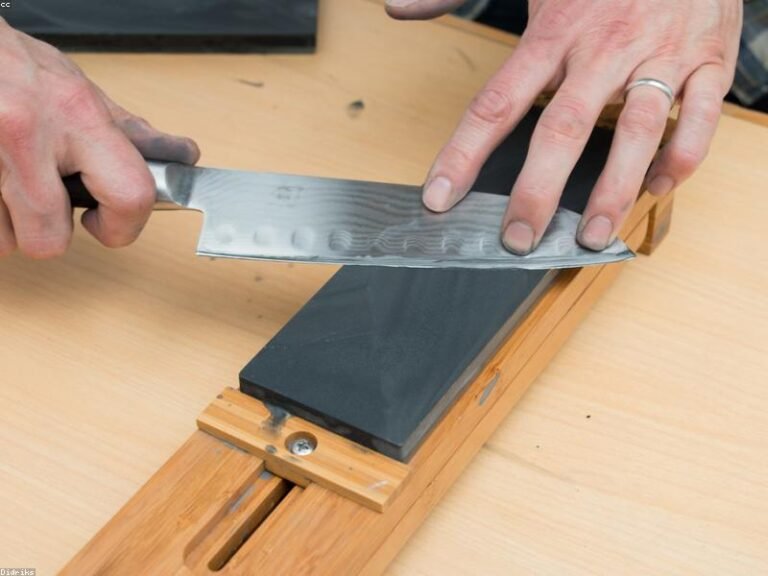
Absolutely. We recommend a guided sharpening system for beginners or a whetstone for those willing to learn freehand technique. Check our sharpener guides for specific recommendations.
This article may contain affiliate links. If you purchase a product through one of these links, Bladeowl may earn a commission at no extra cost to you. This never influences our editorial independence or which products we recommend.