
Fixed Blade vs Folding: Which Is Better for EDC?
Every EDC (everyday carry) knife discussion eventually circles back to the same question: fixed blade or folder? There’s no universally correct answer — it depends on how you actually spend your day, what you use a knife for, and what’s legal and practical to carry where you live. Here’s a straightforward look at the real tradeoffs.
Fixed Blades: Strength Without Compromise
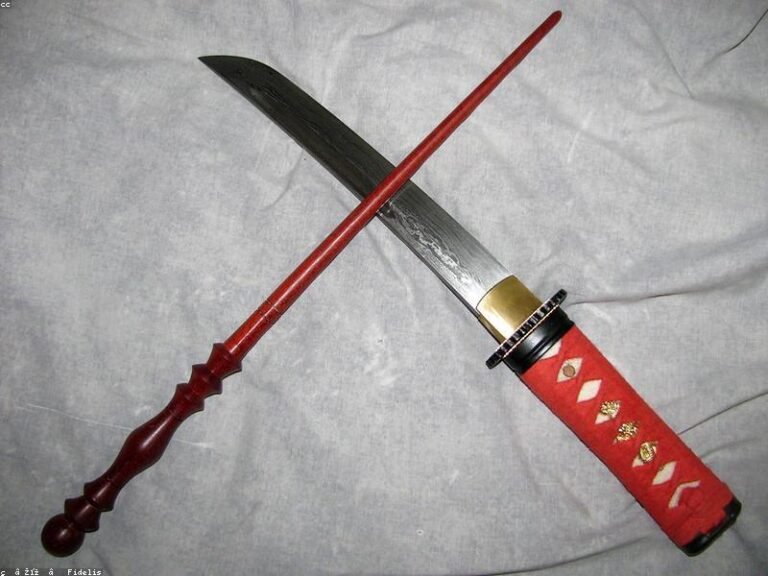
A fixed blade has no moving parts, which is its core advantage. There’s no lock to fail, no pivot to wear out, and no hinge point that concentrates stress under hard use. If you’re batoning wood, prying, or putting real force behind a cut, a fixed blade simply has more structural integrity because the blade and handle are one continuous piece (or a full tang running through the handle scales).
Fixed blades are also easier to keep clean. Without a pivot or liner to trap moisture, dirt, or food residue, you can wash and dry the whole knife in seconds — a real advantage for hunting, fishing, or kitchen-adjacent outdoor tasks where a folder’s mechanism can get gummed up.
The downsides are practical rather than mechanical. A fixed blade needs a sheath and typically rides on a belt or in a bag rather than tucked into a pocket, which makes it harder to carry discreetly in everyday clothing. It also prints more visibly, and depending on where you live, fixed blades are sometimes subject to different (often stricter) legal treatment than folding knives, including permit requirements or blade-length restrictions specific to fixed blades. Always check local rules before deciding a fixed blade fits your daily carry.
Folding Knives: Convenience With a Catch
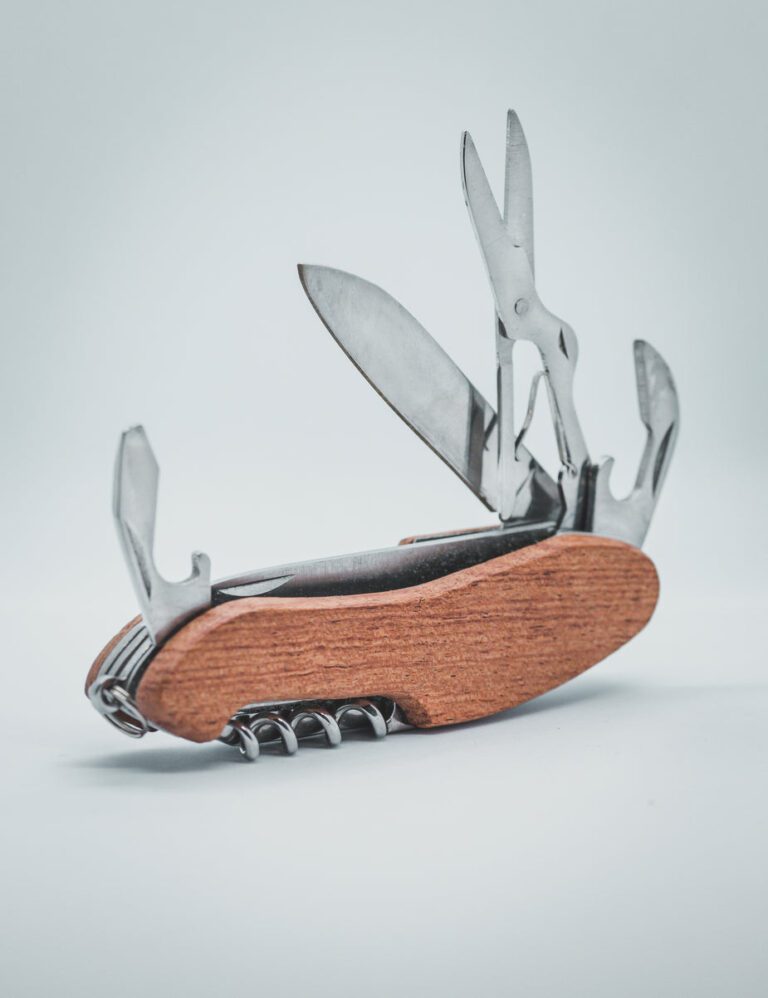
The folder’s whole appeal is that it disappears into a pocket. A clipped folder rides flat against fabric, doesn’t require a separate sheath, and can be carried in situations — offices, restaurants, air travel checked bags — where a sheathed fixed blade would draw unwanted attention. For the vast majority of everyday tasks — opening packages, cutting cordage, food prep on the go — a folder handles the job just as well as a fixed blade.
The catch is the lock. Every locking mechanism, whether it’s a liner lock, frame lock, back lock, or axis-style lock, is a mechanical part that can wear, loosen, or fail if debris gets into it or if the knife takes a hard lateral impact while open. A quality lock from a reputable maker is very reliable for normal use, but it’s still a point of failure that a fixed blade simply doesn’t have. The pivot itself also wears with heavy opening and closing over years of use, which is why periodic cleaning and lubrication matter more for folders than for fixed blades.
Real Examples of Each Type
These well-known knives illustrate the fixed-blade-vs-folder tradeoff in practice, from budget to premium.
| Knife | Type | Best For |
|---|---|---|
| Morakniv Companion | Fixed Blade | Best budget fixed blade — no lock to maintain, easy to clean, and inexpensive enough to keep in a bag or glovebox. |
| ESEE Izula-II | Fixed Blade | A small, full-tang fixed blade purpose-built for discreet neck or bag carry — strength without a folder’s moving parts. |
| Spyderco Paramilitary 2 | Folder | A premium folder with a reliable compression lock — the gold standard for what a well-made folding EDC knife can do. |
| CRKT Pilar | Folder | Best budget folder — compact, pocket-friendly, and inexpensive enough for anyone testing whether they prefer folders. |
Matching the Knife to the Lifestyle
If your daily routine is mostly urban or office-based — opening mail, breaking down boxes, occasional food prep — a folder’s discretion and pocket convenience will usually win out, and the lock-failure risk is a non-issue for that kind of light-duty use. If you spend real time outdoors doing tasks that put stress on a blade — camping, hunting, food processing in the field, any kind of prying or batoning — a fixed blade’s strength and easy maintenance make it the more dependable tool, and carrying it on a belt sheath is normal in that context rather than out of place.
Many experienced EDC carriers end up owning both and choosing based on the day ahead rather than treating it as a permanent either/or decision. If you can only own one, be honest with yourself about what you actually do most days — that answer matters more than any spec sheet.
This article may contain affiliate links. If you purchase a product through one of these links, Bladeowl may earn a commission at no extra cost to you. This never influences our editorial independence or which products we recommend.