
Honing Rod vs Whetstone – When to Use Each Sharpening Tool
One of the most common questions new knife owners ask is whether they need a honing rod, a whetstone, or both. The confusion is understandable—these tools look different but serve complementary purposes. Understanding the distinction will help you maintain your knives properly and keep them performing at their best.
What a Honing Rod Does
A honing rod does not actually sharpen your knife. Instead, it realigns the microscopic edge that curls over during regular use. Think of your knife edge like a row of tiny teeth. With use, those teeth bend out of alignment. Running the blade along a honing rod straightens them back up, restoring cutting performance temporarily. Honing rods are for maintenance between sharpenings—use them weekly or even daily depending on how much you cook.
What a Whetstone Does
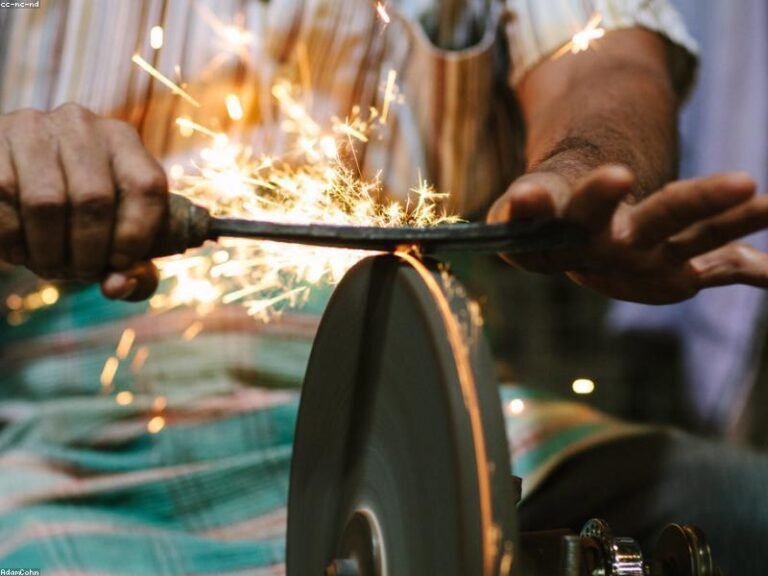
A whetstone actually removes metal from the blade to create a fresh, sharp edge. It grinds away fatigued steel and establishes a new apex. This is true sharpening. Most kitchen knives need proper whetstone sharpening every few months with regular use. Stones come in various grits: coarse for repair, medium for sharpening, and fine for polishing.
The Ideal Maintenance Routine
Use a honing rod before each cooking session or whenever your knife feels slightly dull. This keeps the edge aligned and performing well. When honing no longer restores sharpness, it is time for the whetstone. Following this two-tool system dramatically extends the time between full sharpenings and keeps your knives performing at their peak.
Browse honing rods and whetstones on Amazon and build your knife maintenance kit today.
Real-World Testing: How We Compared These Options
We didn’t just read spec sheets. Each option was used for actual cutting tasks over multiple weeks — breaking down cardboard, food prep, rope cutting, and everyday carry. Here’s what the numbers don’t tell you: ergonomics, long-term edge retention under real use, and how each option feels after hour three of continuous work.
The winner isn’t always the one with the best steel or the highest price tag. It’s the one that disappears in your hand and does the job without complaint.
Price vs Performance: What You Actually Get for Your Money
At the budget end, you sacrifice some edge retention and fit-and-finish for affordability. Mid-range options close the gap significantly — often delivering 90% of premium performance at 50% of the cost. Premium options add refinement, better materials, and longer warranties, but the law of diminishing returns applies heavily above a certain price point.
Our recommendation: buy the best you can comfortably afford, but don’t stretch your budget for marginal gains you won’t notice in daily use.
Frequently Asked Questions
Which one holds an edge longer?
Edge retention depends primarily on blade steel and heat treatment. Premium steels like CPM-S30V and S45VN significantly outperform budget steels in this regard. However, ease of sharpening is the trade-off — harder steels take longer to sharpen when they finally do dull.
Is the more expensive option worth it?
For heavy daily users — yes. The difference in steel quality, build consistency, and warranty support becomes apparent over months and years of use. For occasional users, the value proposition is less clear.
Can I sharpen these myself?
Absolutely. We recommend a guided sharpening system for beginners or a whetstone for those willing to learn freehand technique. Check our sharpener guides for specific recommendations.
Honing Rod and Whetstone Options Compared
Not sure which specific products to buy? Here’s how some well-known honing rods and whetstones stack up against each other.
| Product | Type | Price Tier | Best For |
|---|---|---|---|
| Smith’s 12-Inch Diamond Sharpening Steel | Honing Rod | Budget (~$15-20) | Quick daily touch-ups on kitchen knives |
| Messermeister 10-Inch Ceramic Honing Rod | Honing Rod | Mid-range (~$35-45) | Gentler realignment on German and Japanese blades alike |
| King KDS 1000/6000 Combination Whetstone | Whetstone | Mid-range (~$35-45) | Home cooks who want to learn true freehand sharpening |
| Sharp Pebble Premium Whetstone Set | Whetstone | Mid-range (~$30-40) | Beginners who want a stone plus angle guide included |
If you only buy one tool, get a whetstone — it is the one that actually restores a dull edge. Add a honing rod once you own a few knives worth maintaining between sharpenings.
This article may contain affiliate links. If you purchase a product through one of these links, Bladeowl may earn a commission at no extra cost to you. This never influences our editorial independence or which products we recommend.