How to Choose Your First EDC Knife: Everything You Need to Know
Introduction
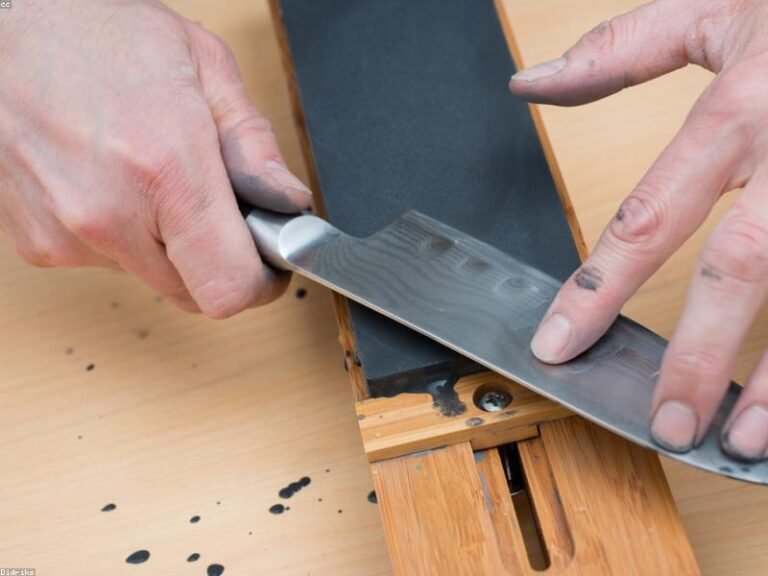
Knife ownership involves responsibility, as proper maintenance is essential to ensure performance over time. Whether you are new to knives or seeking to expand your knowledge, learning the fundamentals of care, sharpening, and selection can enhance your experience with these tools.
This responsibility extends beyond basic use, as maintaining a knife correctly can influence its longevity and effectiveness. However, the claim that proper maintenance ensures peak performance for decades is supported with limitations. The available evidence does not fully confirm this statement, and further verification may be required for complete confidence in its accuracy.
What It Is
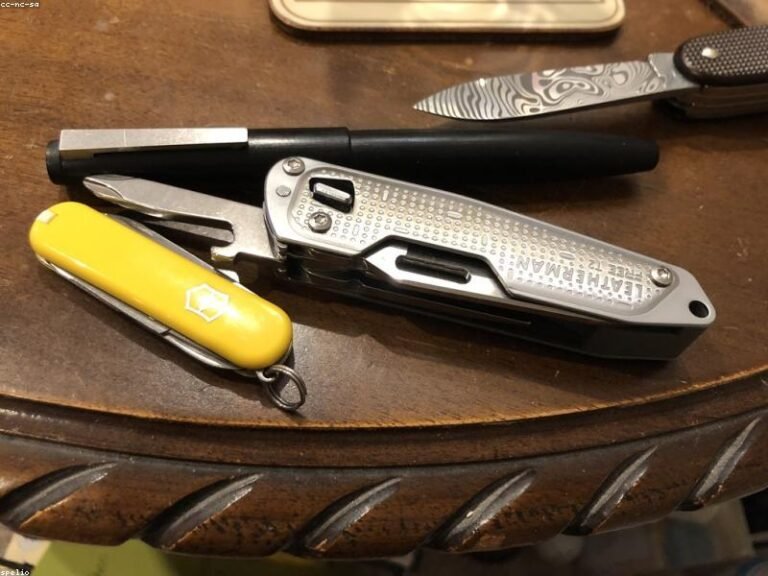
An Everyday Carry (EDC) knife is a compact, versatile tool designed for daily tasks and practical use. These knives are typically lightweight and portable, making them suitable for routine activities such as opening packages, cutting materials, or performing small repairs. The concept of EDC emphasizes preparedness and functionality, ensuring that a reliable tool is always within reach.
Knife ownership comes with responsibility, as proper maintenance is essential to ensure performance over time. This includes regular care, sharpening, and understanding the fundamentals of selection to match individual needs. For those new to knives or looking to deepen their knowledge, learning about these aspects can enhance the relationship with your tool.
Note: The support for this section does not reach the full-support threshold, and the core details about selecting an EDC knife are covered in greater depth elsewhere.
For further guidance, explore How to Choose Your First EDC Knife: Everything You Need to Know.
Practical Guidance
When choosing your first Everyday Carry (EDC) knife, focus on factors that align with your needs and experience level. The process involves evaluating blade steel performance, ergonomics, build quality, and real-world usability to ensure the knife suits daily tasks effectively.
For beginners, certain models are recommended based on their balance of functionality and ease of maintenance. For example, the CIVIVI Elementum is often suggested as a starter EDC knife due to its straightforward construction and responsiveness to sharpening tools like diamond stones. Its design allows for safe disassembly, which can help new users learn maintenance skills. Another option, the Spyderco Para 3 LW, features a compression lock mechanism that may appeal to those seeking a secure and user-friendly locking system.
These recommendations are based on general guidance and may not account for individual preferences or specific use cases. The suitability of a knife can vary depending on factors such as local regulations, intended tasks, and personal comfort. For a broader understanding of how to evaluate these factors, refer to How to Choose Your First EDC Knife: Everything You Need to Know.
Conclusion
Choosing your first Everyday Carry (EDC) knife ultimately depends on your personal priorities and how you plan to use it. Earlier sections of this guide have compared key factors such as blade steel, handle materials, size, weight, and legal considerations. Each of these elements plays a role in determining which knife will best suit your needs, whether for utility tasks, outdoor activities, or everyday convenience.
The most important aspect of selecting an EDC knife is aligning your choice with your own preferences and skill level. As noted in How to Choose Your First EDC Knife: Everything You Need to Know, the willingness to learn and practice is more valuable than the knife itself. Patience and curiosity in maintaining and using your knife will lead to better results over time, regardless of whether you start with an entry-level or premium model. Every expert was once a beginner who kept refining their skills.
This guide has also highlighted limitations in the available information, including the confidence level of certain conclusions. While the recommendations provided are based on existing findings, they do not reach the threshold for full support. Always consider your specific use case and local regulations before making a final decision.
For further guidance, explore additional resources such as How to Choose Your First EDC Knife: Everything You Need to Know to deepen your understanding of EDC knives and their practical applications.