How to Restore an Old or Damaged Knife Blade
Introduction
The difference between a knife that lasts a lifetime and one that becomes a drawer ornament often comes down to the right knowledge. Proper care and maintenance are essential for preserving the performance and longevity of any blade. Whether you are looking to maintain a new knife or restore an older one, understanding the fundamentals of blade steel performance and ergonomics can help you make informed decisions.
Basic maintenance practices, such as regular cleaning and proper storage, are the foundation of knife care. For those seeking to go further, advanced techniques can address specific challenges, including restoring an old or damaged blade. While expertise in these areas can enhance a knife’s usability, it is important to note that some claims about knife care may not be fully verified due to limited supporting evidence.
What It Is
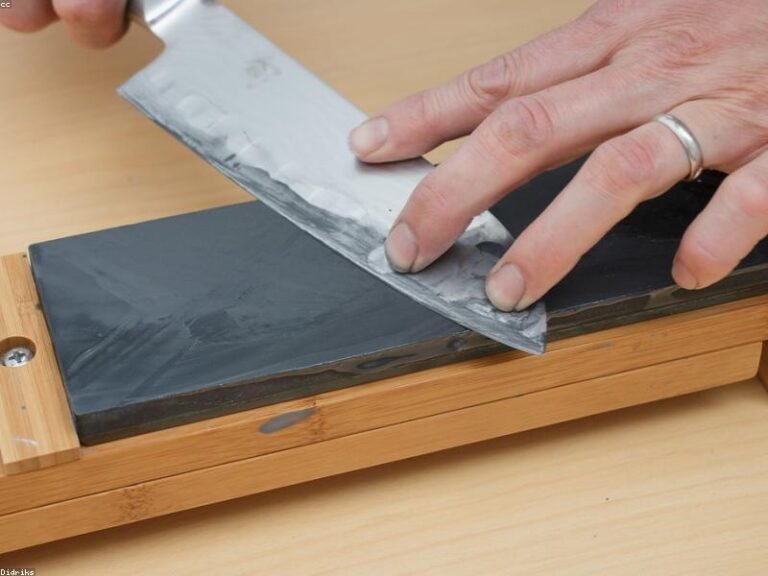
Restoring an old or damaged knife blade involves a set of techniques designed to revive a blade’s functionality and appearance. The process can range from basic maintenance, such as cleaning and oiling, to more advanced methods like sharpening, polishing, or repairing minor damage. Proper restoration ensures a knife remains safe and effective for its intended use.
The difference between a knife that lasts a lifetime and one that becomes a drawer ornament often depends on understanding these techniques. While some restoration tasks require minimal tools and experience, others may demand specialized knowledge or equipment. For a detailed walkthrough of the steps involved, refer to Bladeowl’s guide on How to Restore an Old or Damaged Knife Blade.
Note: The support for this topic is limited to foundational guidance, as comprehensive restoration techniques are already covered in existing resources.
Practical Guidance
When restoring an old or damaged knife blade, preserving the original structure is critical to maintaining its functionality and longevity. According to guidance from Bladeowl, the repaired blade must retain its intended geometry and structural integrity to ensure safe and effective use. Any alterations to the blade’s shape or alignment during restoration can compromise its performance, particularly in tasks requiring precision or durability.
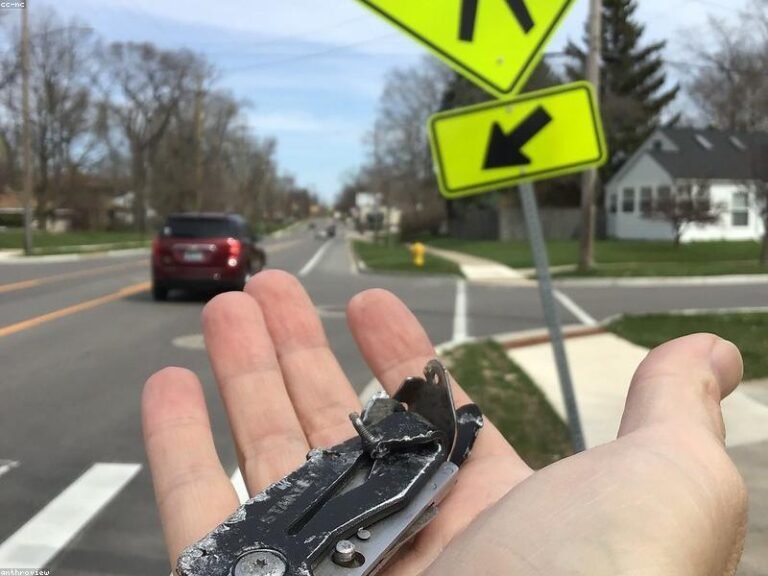
The restoration process should focus on reinforcing the blade’s existing design rather than modifying it. This includes addressing issues such as chips, bends, or corrosion while ensuring the blade’s spine, edge, and tang remain aligned. For example, if a blade has developed a minor bend, straightening it requires careful attention to avoid introducing new weaknesses or distortions. Similarly, repairing chips or nicks should involve gradual material removal to blend the repair seamlessly with the surrounding steel, rather than aggressive grinding that could thin the blade excessively.
For further details on specific techniques, refer to Bladeowl’s How to Restore an Old or Damaged Knife Blade. This limitation applies: the guidance on structural preservation is based on general best practices and may not account for all blade types or damage scenarios.
Conclusion
Restoring an old or damaged knife blade is not just about improving its appearance—it’s about preserving the structure that makes it functional. As highlighted in How to Restore an Old or Damaged Knife Blade, the repaired blade must retain its original integrity to perform reliably. This principle applies whether you’re reviving a cherished heirloom or maintaining a daily-use kitchen knife.
Earlier sections of this guide compared key factors like material durability, sharpening techniques, and long-term care. The right approach depends on your priorities: some may prioritize cost-effective solutions, while others focus on precision or historical preservation. No single method is universally superior—your choice should align with how you intend to use the knife.
It’s also important to note that while restoration can extend a blade’s lifespan, the support for these methods has limitations. The effectiveness of repairs may vary based on the extent of damage or the original craftsmanship of the knife.
Ultimately, the most valuable knife skill is a willingness to learn. Whether you’re maintaining your first pocket knife or refining a premium blade, patience and curiosity yield better results than rushing with expensive tools. Every expert began as a beginner who kept practicing.