Essential Kitchen Knife Set for Beginners – What You Actually Need
Walk into any kitchen store and you’ll see gleaming 15-piece knife blocks that promise to solve every cutting task you’ll ever face. Most of those slots are filler. If you’re just starting to build a kitchen kit, you need far fewer knives than the marketing suggests — and understanding why will save you money and counter space.
The Three Knives That Actually Matter
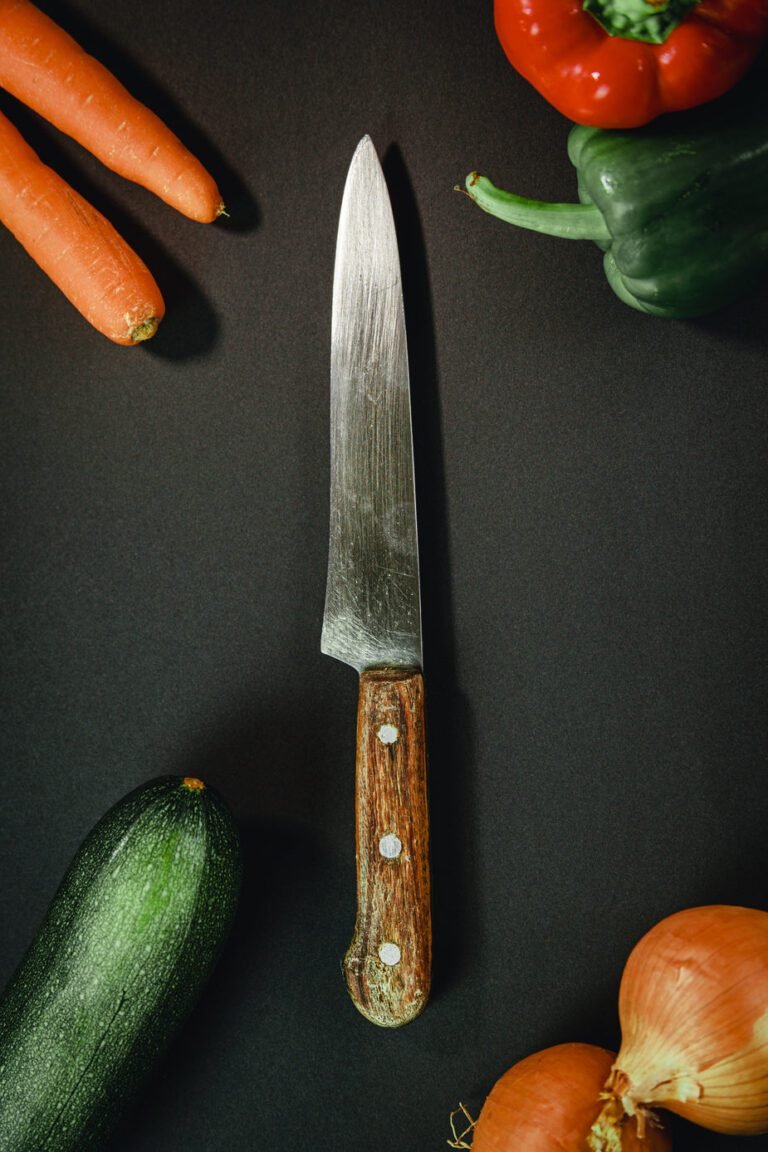
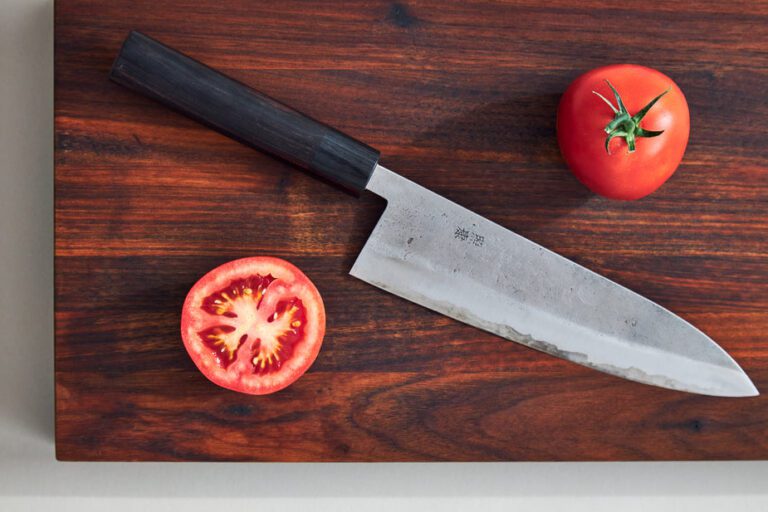
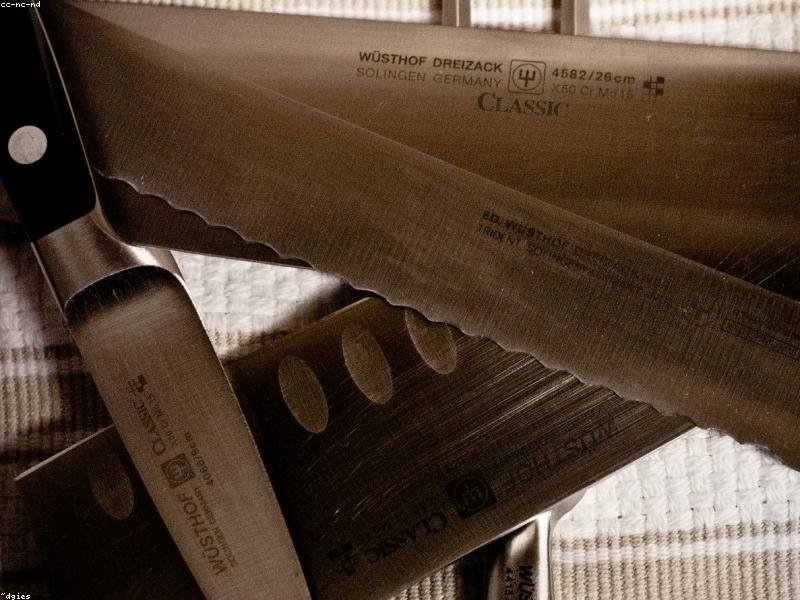
A chef’s knife, a paring knife, and a serrated bread knife will get you through the overwhelming majority of home cooking. The chef’s knife (typically 8 inches) handles chopping, mincing, and slicing — it’s the workhorse you’ll reach for dozens of times a night. The paring knife takes over for small, precise tasks: peeling an apple, deveining shrimp, trimming fat, hulling strawberries. The serrated bread knife isn’t just for bread — its teeth let it saw through tomato skins, citrus, and crusty loaves without crushing them, something a straight edge struggles to do cleanly.
Everything else in a big block set — the boning knife, the santoku, the utility knife, the steak knives — duplicates what these three already do, or serves a purpose most home cooks rarely encounter. A boning knife matters if you break down whole chickens regularly. A santoku is a stylistic alternative to a chef’s knife, not an addition to it. Buy specialty blades later, once you know what your cooking actually demands.
Forged vs. Stamped: What the Difference Really Means
Forged knives are made from a single billet of heated steel hammered into shape, which typically gives them a heavier, bolstered feel and a reputation for durability. Stamped knives are cut from sheet steel, like a cookie cutter, then ground and sharpened. Stamped blades are lighter, more affordable, and — with modern manufacturing — can hold an edge just as well as a mid-range forged knife. Don’t assume “forged” automatically means “better for you.” A well-made stamped chef’s knife from a reputable brand can outperform a cheap forged knife with a soft, poorly heat-treated edge. Balance and comfort in your hand matter more than the manufacturing method alone.
Keeping Your Three Knives Working
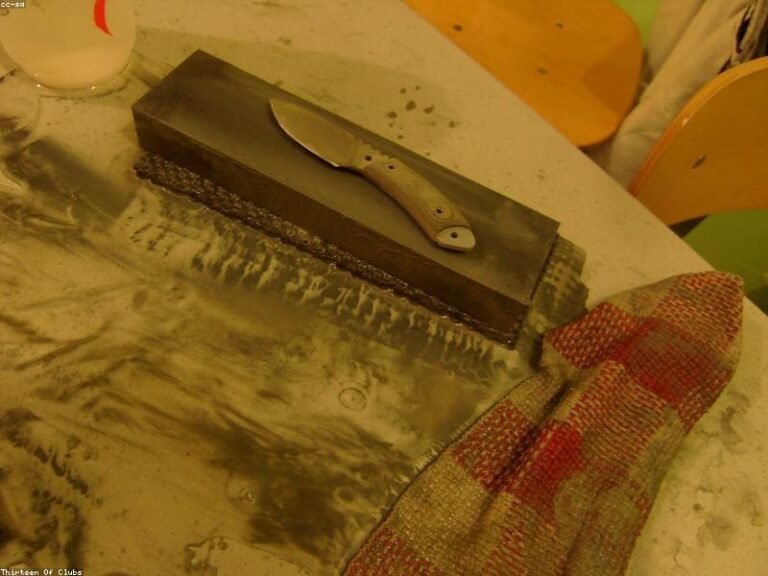
A honing steel doesn’t sharpen a knife — it realigns the microscopic edge that rolls out of true with regular use. Running your chef’s knife across a honing rod before each use keeps it cutting cleanly between actual sharpenings, which most home cooks only need every few months depending on use. Skipping this step is the single biggest reason knives feel “dull” faster than they should.
Your cutting board matters just as much as the knife. Glass, stone, and bamboo-composite boards look nice but dull an edge quickly because they’re too hard — the blade rolls against the board instead of the board giving slightly. Stick to end-grain wood or a good quality plastic board, both of which are softer on the edge. Hand wash your knives and dry them immediately; the dishwasher’s heat, moisture, and jostling against other utensils are hard on both the edge and the handle.
The Bottom Line
Start with a good chef’s knife, a paring knife, and a bread knife. Learn what tasks you actually do in your kitchen before adding anything else. A well-maintained set of three will outperform a neglected block of fifteen every time.
This article may contain affiliate links. If you purchase a product through one of these links, Bladeowl may earn a commission at no extra cost to you. This never influences our editorial independence or which products we recommend.