Best Electric Knife Sharpeners 2026
Why Trust an Electric Sharpener With Your Blades?
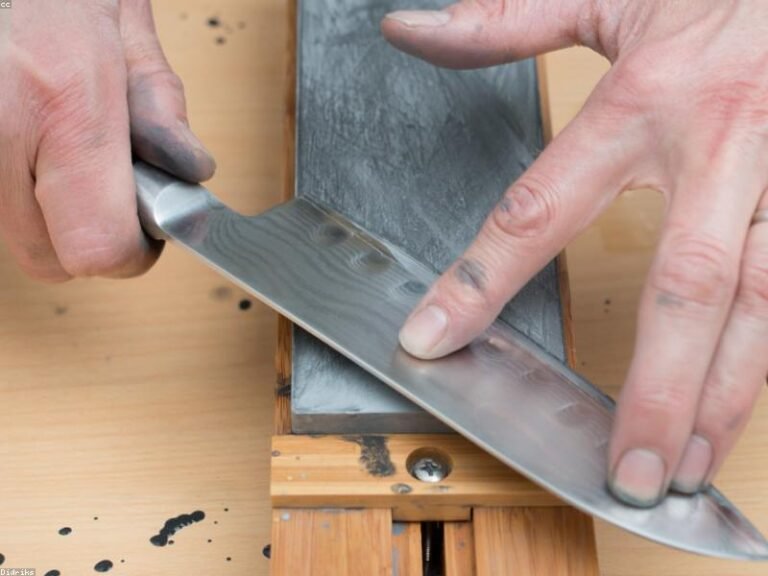
Let’s be honest — most people don’t sharpen their knives often enough. The process feels intimidating: grab a whetstone, soak it, find the right angle, count strokes on each side, strop, and hope for the best. Electric knife sharpeners eliminate nearly all of that friction. You plug it in, draw the blade through a guided slot, and in under a minute you’ve got a sharper edge than you started with.
But not all electric sharpeners are created equal. Some use abrasive belts that conform to your blade; others use precision-ground diamond or ceramic discs spinning at high speed. Some are gentle enough for your $200 Japanese gyuto; others are aggressive material removers better suited to your old beater knives or outdoor tools. Getting the right one matters — a lot.
We researched the most popular electric sharpeners on the market in 2026, looking at grit versatility, edge quality, ease of use, build quality, and whether each unit removes too much metal or just the right amount. Here are the top picks.
Comparison Table: Electric Knife Sharpeners at a Glance
| Model | Type | Stages | Angle Options | Best For | Price Range |
|---|---|---|---|---|---|
| Chef’sChoice Trizor XV | Disc (diamond) | 3 | 15° (Asian) / 20° (Euro-American) | Kitchen knives, premium edges | ~$150 |
| Presto EverSharp | Disc (sapphirite) | 3 | Fixed guides | Budget kitchen sharpening | ~$40 |
| Work Sharp Knife & Tool Sharpener | Belt (abrasive) | Variable (belt change) | 20° / 25° guides | Versatile — kitchen, outdoor, tools | ~$80 |
| Linkyo Electric Sharpener | Disc (diamond/ceramic) | 3 | Fixed guides | Budget all-rounder | ~$35 |
Chef’sChoice Trizor XV EdgeSelect — The Premium Pick
The Chef’sChoice Trizor XV EdgeSelect (Model 15XV) has been the gold standard in electric sharpeners for over a decade, and for good reason. It’s the only sharpener on this list that uses 100% diamond abrasives in all three stages — no ceramic or sapphirite substitutions. Diamond abrasives cut faster, last longer, and produce a more consistent edge than any alternative.
The three-stage system starts with a coarse diamond wheel for edge shaping and repair (Stage 1), moves to a medium diamond wheel for the primary bevel (Stage 2), and finishes with a fine diamond wheel plus flexible stropping discs that polish and deburr (Stage 3). The stropping stage is what sets the Trizor apart — it creates a microscopically smooth edge that glides through tomatoes and paper with equal ease.
One standout feature: the Trizor converts a standard 20° European/American edge into a dual-bevel Trizor edge with a 15° primary bevel backed by a thicker secondary bevel. This gives you the slicing efficiency of a 15° angle with the durability of a 20° edge. If you own Wusthof, Zwilling, or Victorinox knives, this is the sharpener you want.
Downside: At around $150, it’s a significant investment. It’s also strictly for straight-edge kitchen knives — no serrated blades, no scissors, no outdoor knives. If you need versatility, look at the Work Sharp.
Presto EverSharp — The Budget Kitchen Champion
The Presto EverSharp Electric Knife Sharpener has over 10,000 Amazon reviews for a reason. At roughly $40, it delivers genuinely sharp edges on kitchen knives without the learning curve of a whetstone. The three-stage system uses Sapphirite grinding wheels (a synthetic abrasive similar to corundum) in coarse and medium stages, plus a ceramic fine stage for polishing.
What makes the Presto clever is its blade guides — they automatically position the knife at the correct angle as you draw it through the slot. You don’t need to maintain any angle yourself; the machine does the geometry work. For someone who just wants their chef’s knife and paring knife to stop crushing tomatoes instead of slicing them, the EverSharp is hard to beat.
The Presto also handles serrated knives in its Stage 3 slot — something the Chef’sChoice can’t do. Just run the serrated side through the fine ceramic wheel a few times and those bread knife teeth come back to life.
Downside: The Sapphirite wheels wear faster than diamond and the fixed-angle guides mean you’re getting a one-size-fits-all edge. Japanese knives with 12-15° edges will be re-ground to a wider angle over time. It’s not the sharpener for your Shun or Miyabi.
Work Sharp Knife & Tool Sharpener — The Versatile Belt System
The Work Sharp Knife & Tool Sharpener takes a completely different approach. Instead of spinning abrasive discs, it uses flexible abrasive belts that wrap around a guide system. This belt-based design lets you sharpen far more than just kitchen knives — hunting knives, pocket knives, tanto blades, fillet knives, scissors, axes, and even lawn mower blades all fit in this one machine.
Work Sharp includes two angle guides: 40° total (20° per side) for kitchen knives and 50° total (25° per side) for outdoor and hunting knives. The belt system is fast — you can go from completely dull to hair-shaving sharp in under two minutes on most blades. Belt changes for different grits are tool-free and take seconds.
One thing many buyers don’t realize: you can buy aftermarket belts in a huge range of grits from third-party suppliers. The stock belts (P120 coarse, X65 medium, X4 fine, 6000-grit micro-mesh) cover most needs, but upgrading to ceramic or silicon carbide belts from a company like Red Label Abrasives dramatically improves the system.
Downside: This is a powered belt sander, not a precision edge machine. If you’re not careful, you can round off the tip of your knife or remove more metal than intended. There’s a learning curve. It also produces metal dust, so keep a vacuum nearby.
Linkyo Electric Sharpener — The Under-$40 Sleepers
The Linkyo Electric Knife Sharpener is often overlooked, but it deserves a spot for one reason: it’s the cheapest sharpener that still uses actual diamond abrasives in its coarse stage. At under $35, you’re getting diamond (Stage 1), tungsten steel (Stage 2), and ceramic (Stage 3) — a progression that actually makes sense.
The Linkyo is compact, lightweight, and has a non-slip suction base that actually works on most countertops. It’s a solid choice for a vacation rental kitchen, an RV, or as a backup sharpener in a household where the main cook doesn’t want to deal with whetstones.
Downside: Build quality is noticeably below the other three — the plastic chassis feels cheap. The guides are less precise, and the motor isn’t as powerful. For occasional use it’s fine, but don’t expect to sharpen a full knife block weekly for years. The diamond stage will also remove metal more aggressively than the gentler Chef’sChoice, so go light on pressure.
Electric vs. Manual: When Does It Make Sense?
Electric sharpeners are ideal when speed and convenience matter more than absolute precision. If you cook daily and want sharp knives with zero fuss — pull-through electric is your answer. If you’re a knife enthusiast who enjoys the ritual of water stones and stropping — stick with manual methods.
The trade-off is real: electric sharpeners remove metal faster, and once metal is gone, it’s gone forever. Over-sharpening with an aggressive electric unit can visibly reduce blade height over a few years of heavy use. But for most home cooks who sharpen once a month or less, the metal removal from a quality electric sharpener is negligible.
Our 2026 Recommendation
If budget isn’t a concern, get the Chef’sChoice Trizor XV. The diamond-only abrasives and dual-bevel edge geometry produce results that rival professional sharpening services. For most households, the Presto EverSharp hits the sweet spot between price and performance. And if you sharpen more than just kitchen knives — pocket knives, hunting knives, tools — the Work Sharp belt system offers the most versatility for the money.
Whatever you choose, remember: a sharp knife is a safe knife. Dull blades require more force, slip more often, and cause more serious injuries. Take the five minutes to keep your edges maintained — your fingers and your dinner prep will thank you.
This article may contain affiliate links. If you purchase a product through one of these links, Bladeowl may earn a commission at no extra cost to you. This never influences our editorial independence or which products we recommend.