Best Steak Knife Sets — Buying Guide
The single biggest decision in a steak knife set is serrated versus straight (plain) edge — serrated blades stay sharp far longer with zero maintenance and are the practical choice for most households, while straight-edge blades cut cleaner and look more refined at the table but require actual sharpening upkeep most people never get around to doing.
Serrated vs. straight edge: the core tradeoff
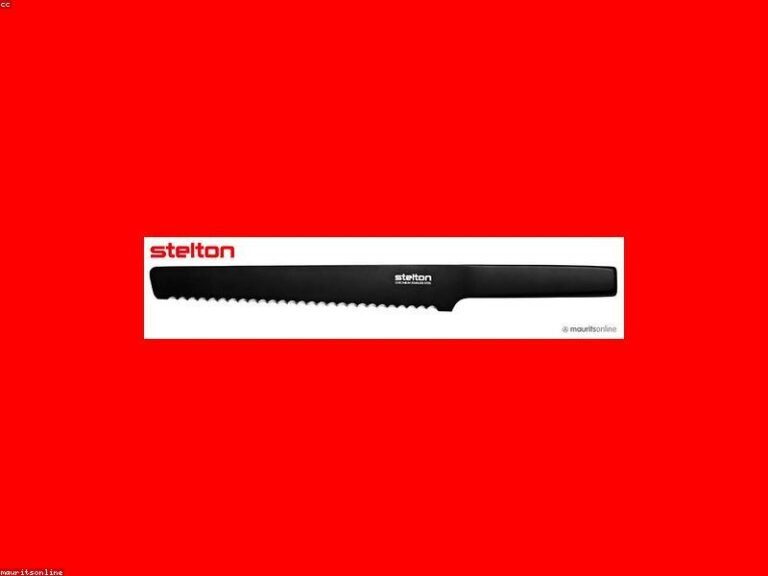
Serrated steak knives use small, saw-like teeth that grip and tear through meat fibers, which means they stay functionally sharp for years of normal use with essentially no maintenance — the teeth do the cutting work even as the microscopic edge dulls. The tradeoff is a slightly rougher cut and a blade that, once genuinely dull, is difficult to sharpen well without specialized equipment.
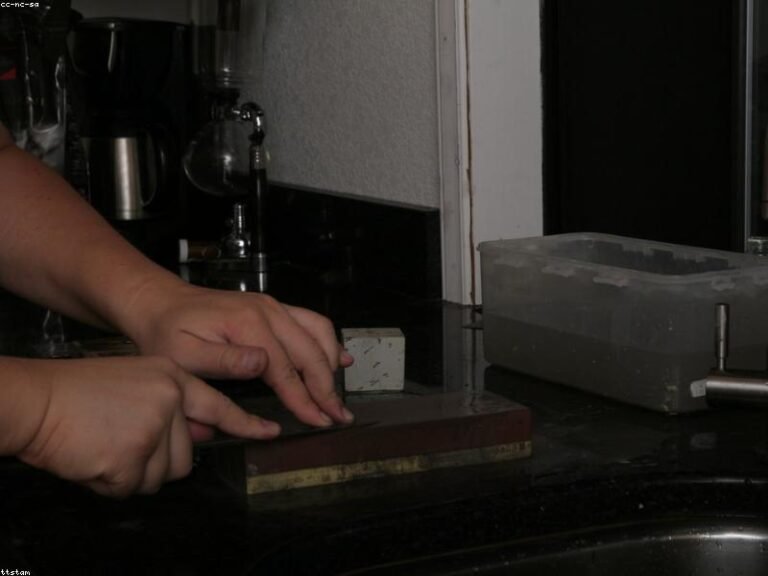
Straight-edge steak knives cut a cleaner, smoother line through meat and generally look more refined on a table setting, but they dull faster than serrated blades and need periodic honing or sharpening to stay effective — maintenance that’s easy with a chef’s knife used daily but often neglected on steak knives that only come out occasionally.
Forged vs. stamped: does it matter for steak knives?
Forged blades (shaped from a single heated steel billet) generally hold an edge longer and feel more substantial in hand than stamped blades (cut from a flat sheet of steel), and this distinction matters more for chef’s knives used daily than for steak knives used briefly at the table. For steak knives specifically, a well-made stamped blade with a comfortable handle is a perfectly reasonable choice — the difference in real-world table performance is much smaller than the price gap between forged and stamped sets often suggests.
Set size: match it to how you actually entertain
- 4-piece sets: right-sized for a couple or small household that rarely hosts larger dinners.
- 6-piece sets: the most common practical size, covering typical family dinners and small gatherings without excess.
- 8-piece or larger sets: worth it only for households that regularly host dinner parties; otherwise the extra knives usually sit unused in a drawer.
Handle material affects grip and dishwasher safety
Full-tang wood or composite handles generally provide the most secure, comfortable grip, but true wood handles typically shouldn’t go in the dishwasher — repeated heat and moisture exposure can crack or warp wood over time. Composite (resin-infused wood or synthetic) handles usually tolerate dishwasher use much better while still offering a similar grip feel, which matters more than it might seem for a knife set that will realistically get run through the dishwasher regardless of the care label.
A common buying mistake: prioritizing the block over the blades
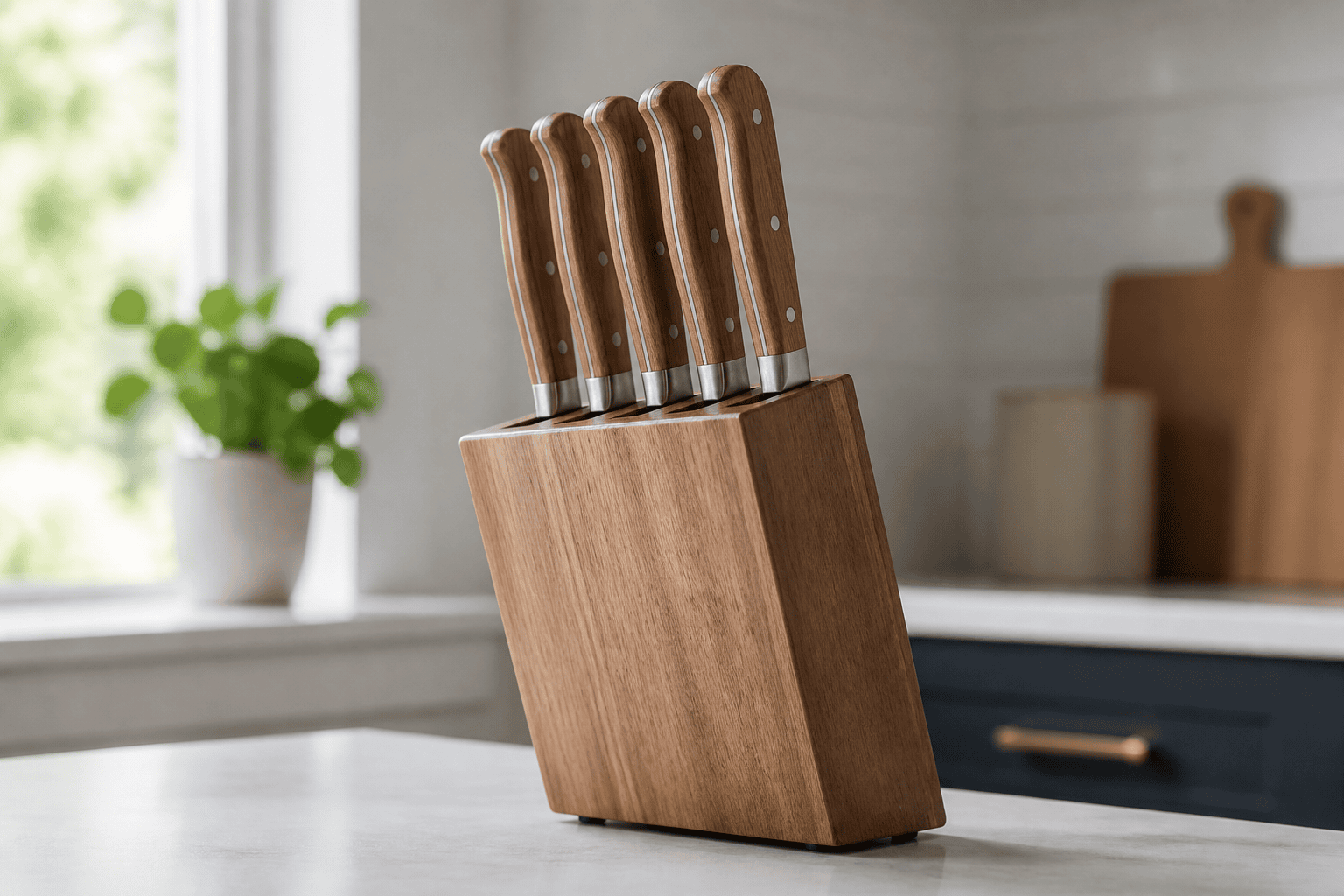
Steak knife sets are often sold with an attractive wooden storage block, but the block’s appearance shouldn’t drive the purchase decision — a beautiful block holding mediocre blades is still a mediocre set. It’s worth evaluating blade material, edge type, and handle construction independently of how the set is packaged and displayed.
Basic care extends either edge type’s usable life
Regardless of serrated or straight edge, hand-washing and drying steak knives promptly rather than leaving them in a sink or running them through repeated dishwasher cycles meaningfully extends their usable life — the combination of heat, detergent, and contact with other utensils in a dishwasher is harder on a fine edge than most people expect, even for knives labeled dishwasher-safe. For straight-edge sets specifically, a few passes on a honing steel every month or two of regular use keeps the edge aligned and noticeably improves cutting performance without requiring a full sharpening.
Table knives and kitchen knives share the same underlying quality signals
The same fundamentals that separate a good steak knife from a mediocre one — steel quality, edge geometry, handle construction — are the same fundamentals that matter when choosing any kitchen blade. The Chef’s Knife Buying Guide covers those fundamentals in more depth for anyone building out a complete, coherent knife collection rather than buying a steak knife set in isolation.